Redefining Women’s Automotive Workwear: Innovations, Inclusion, and Industry Impact
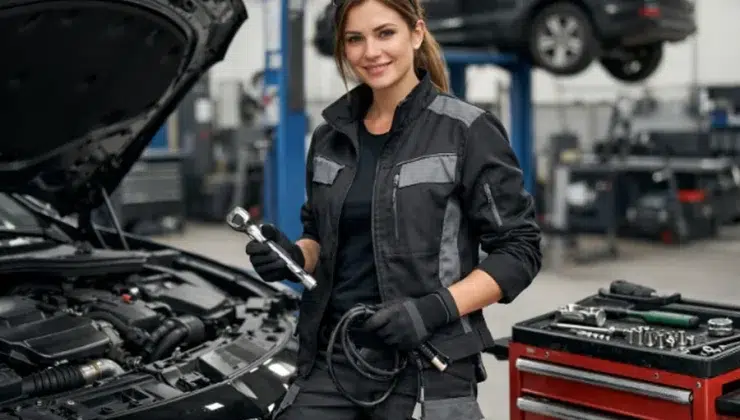
In the shifting landscape of the automotive industry, the demand for women-specific workwear has become a top priority. As more women enter technical and mechanical roles, finding professional gear that balances durability and comfort is critical. The standard options that once dominated the market failed to meet these unique needs. Still, modern collections such as Automotive Workwear are bridging traditional gaps and contemporary requirements. Women in automotive careers have historically been limited by uniforms not designed for the female form, resulting in discomfort and hindered performance. Newly developed gear now offers features tailored to women, including contoured fits, functional storage, and high-strength fabrics. As innovation continues, automotive workwear for women is finally catching up with the realities of the industry’s evolving workforce.
Introduction
The automotive sector is witnessing a marked rise in female participation, from shop floors to specialized technical positions. Despite this movement, the workwear industry only recently began meeting the distinct demands of women in these professions. Many women report that wearing men’s gear inhibits their range of movement, comfort, and confidence at work. This disconnect has catalyzed a shift towards creating more inclusive, effective workwear options that accommodate diverse physiques and working conditions. Addressing these challenges not only helps boost individual performance and job satisfaction but also signals the industry’s commitment to recruiting and retaining talented women. As innovation transforms the automotive workspace, investing in proper workwear is becoming a vital component of professional empowerment and equality.
Innovations in Women’s Workwear
In the last several years, the automotive workwear sector has experienced significant modernization. Prominent brands have released collections specifically engineered for women, focusing on advanced textiles and technical enhancements. For example, Dovetail Workwear’s HOTSWAP thermal collection offers ergonomic warmth and flexibility, designed based on field research and feedback from women in physically demanding automotive roles. These garments integrate insulation with mobility to ensure performance across changing environments.
Collaborations with Female Professionals
Meaningful change in workwear design often starts with direct conversations between manufacturers and women who wear the gear every day. Recognizing this, forward-thinking automotive companies now include women technicians and designers in the product development process. Volvo’s updated workshop apparel program is a striking example; the company’s collaboration with female professionals resulted in an apparel line that balances safety, practicality, and aesthetics. The result is workwear that genuinely fits the needs of women, increasing satisfaction and productivity.
Features of Modern Workwear
Today’s automotive workwear for women is defined by three core traits: enhanced durability, superior comfort and fit, and practical functionality.
- Enhanced Durability: High-performance materials like CORDURA and reinforced stitching protect against abrasion, staining, and general wear. This focus on resilience means the gear stands up to the rigors of automotive work without constant replacement.
- Comfort and Fit: Modern design now acknowledges the vast range of body types and movement patterns among women, offering stretch panels, adjustable waists, and contoured seams for all-day comfort. A well-fitting garment provides not just comfort but also greater freedom and efficiency in demanding roles.
- Functionality: Multiple secure pockets, tool loops, and reinforced knee areas ensure that women can work efficiently, keeping essential equipment at their fingertips while enjoying streamlined mobility.
Impact on the Industry
The adoption of women-centric workwear is influencing more than just wardrobe choices. Progressive gear is helping create workplaces where safety, dignity, and professionalism are at the forefront. Providing women with properly fitting, functional attire can reduce accidents, boost morale, and encourage greater job satisfaction. Automotive leaders are also seeing improved retention rates as the work environment becomes more inclusive and supportive. These initiatives go beyond clothing, reflecting a fundamental commitment to equality and the empowerment of talent across the industry.
As manufacturers respond to feedback and refine their offerings, a growing network of women in the automotive trades is championing these advancements. Their rising visibility and influence help ensure that workwear innovation remains a priority for the industry’s future.
Conclusion
The ongoing evolution of women’s automotive workwear is laying the groundwork for a more inclusive and progressive industry. By responding to the specific needs of female professionals, companies are paving the way for improved performance, safety, and career satisfaction. The thoughtful collaboration between manufacturers and technicians promises to sustain this momentum, ensuring workwear remains as dynamic and diverse as the teams who rely on it every day.