What To Expect During A Plumbing Inspection?
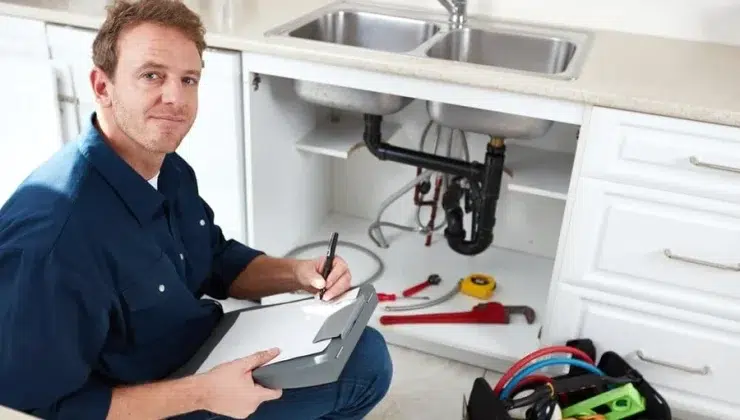
A plumbing inspection is a crucial component of maintaining a safe, reliable, and efficient home. Whether you are preparing to sell a house, buying a new one, or simply want to prevent future problems, a thorough inspection helps identify hidden issues that may affect water flow, drainage, or the integrity of your system. Many plumbing problems start small and go unnoticed until they become costly or damaging. An inspection provides peace of mind by ensuring that everything, from pipes to fixtures, is functioning correctly. Understanding what happens during this process helps homeowners feel more prepared and confident about the condition of their plumbing system.
Initial Assessment and System Overview
The first stage of a plumbing inspection begins with an overall assessment of your home’s plumbing system. The plumber evaluates visible pipes, fixtures, and connections to identify any obvious issues such as leaks, corrosion, or unusual wear. They typically start at the main water supply and move systematically through each area of the home, checking for signs of damage or inefficiency. This initial walkthrough helps the plumber identify areas that may require further investigation. For many homeowners, especially those who have experienced recurring plumbing repairs, this stage provides reassurance that the inspection is thorough and attentive. The early evaluation sets the tone for the rest of the process by offering a complete picture of how the system is currently functioning. This foundational step ensures that the inspector can accurately address concerns and prioritize areas that require attention.
Checking Water Pressure, Pipes, and Flow
A significant part of the inspection focuses on measuring water pressure and evaluating how water flows through the system. Proper water pressure is crucial for a comfortable shower, smooth faucet operation, and efficient appliance use. Too much pressure can strain pipes and fixtures, increasing the risk of leaks, while too little pressure often indicates blockages or pipe deterioration. The inspector may use gauges to measure pressure at various points in the home and compare the results to recommended ranges. Attention is also given to the condition of pipes, especially older metal pipes prone to rust or mineral buildup. The inspector checks for discoloration, moisture, or corrosion that could signal leaks or weakening. In addition to visible pipes, they may evaluate hidden sections using tools such as cameras or moisture detectors. Ensuring proper water flow and pipe integrity helps prevent future issues and extends the lifespan of your plumbing system.
Inspecting Drains and Sewer Lines
Drainage performance is another essential component of a plumbing inspection. Slow drains, recurring clogs, or unpleasant odors often indicate deeper issues that require attention. The inspector tests each drain—sinks, tubs, showers, and floor drains—to ensure water flows smoothly without backing up. They also evaluate the sewer line, which is one of the most important yet often overlooked parts of the plumbing system. Sewer inspections may involve using a camera to check for blockages, tree root intrusion, or pipe damage deep within the line. Identifying issues early prevents severe problems such as sewage backups or expensive repairs. A healthy drainage system ensures your home remains sanitary, functional, and free from unpleasant disruptions. The inspector’s attention to both surface-level drains and deeper sewer lines provides a comprehensive understanding of the system’s condition.
Reviewing Fixtures, Appliances, and Water Heaters
During the inspection, the plumber also examines all fixtures and appliances connected to the plumbing system. This includes faucets, toilets, showers, dishwashers, washing machines, and water heaters. The goal is to ensure everything operates properly, without leaks, strange noises, or signs of wear. Toilets are checked for stable seating, proper flushing, and silent operation. Faucets are inspected for smooth movement and consistent water pressure. Water heaters receive special attention because they are critical for daily comfort and can pose risks if they malfunction. The inspector checks the heater’s temperature settings, connections, safety valves, and overall condition. They also look for sediment buildup inside the tank, which can reduce efficiency and shorten the heater’s lifespan. Evaluating these components ensures your home’s plumbing system supports your daily routines safely and effectively.
Identifying Safety Concerns and Code Compliance
Beyond functionality, plumbing inspections also address safety concerns and code compliance. Inspectors look for issues that may pose health or safety risks, such as cross-connections, backflow hazards, or improperly installed pipes. Backflow prevention is especially important because it prevents contaminated water from flowing back into the clean water supply. Inspectors ensure these devices are working correctly and installed where needed. They also verify whether the plumbing system complies with local building codes, which is crucial for home sales, remodels, or major repairs. Code compliance ensures that the system is not only functional but also safe and compliant with legal requirements. Addressing any violations early helps homeowners avoid costly fines, delays, or complications during home transactions. Safety-focused checks provide added assurance that the plumbing system supports a healthy living environment.
A plumbing inspection offers valuable insight into the condition of your home’s water and drainage systems. From assessing pipes and fixtures to evaluating water pressure, drains, and safety components, the inspection provides a thorough understanding of how well the system is performing. Early identification of potential issues helps prevent costly repairs, improves efficiency, and ensures reliable daily operation. For homeowners seeking peace of mind and long-term protection, regular plumbing inspections are a crucial part of maintaining a safe and functional home. By understanding what to expect during the process, you can take proactive steps to keep your plumbing system in excellent condition year after year.