What Professional Remodelers Notice Immediately in Older New England Bathrooms
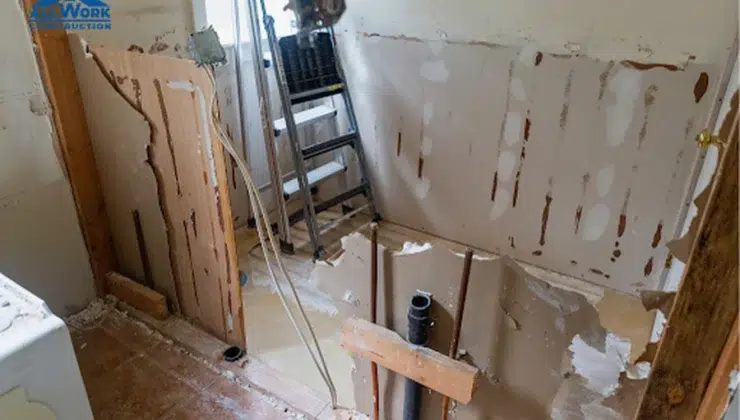
Homeowners and remodeling contractors tend to see bathrooms very differently.
A homeowner walks into the room and notices outdated tile, worn fixtures, limited storage, or a shower that no longer feels comfortable to use.
A professional remodeler often notices something else entirely.
They notice how the room functions.
They look at the spacing between fixtures, the age of the plumbing, signs of moisture movement, ventilation performance, and whether the layout still makes sense for modern living. In many cases, the things that immediately catch a contractor’s attention are not the things homeowners planned to renovate at all.
That’s especially true throughout New England, where many homes were built decades ago and have evolved through multiple generations of ownership. What appears to be a straightforward cosmetic update on the surface often tells a much deeper story once an experienced remodeler begins evaluating the space.
For homeowners considering bathroom remodeling Reading, MA, understanding what professionals notice first can help explain why some renovation recommendations seem unrelated to the visible problems in the room.
The Layout Usually Reveals Its Age First
One of the first things contractors evaluate is how the bathroom actually functions.
Many older bathrooms were designed around completely different expectations. Families were smaller. Storage needs were different. Large walk-in showers were uncommon. Daily routines looked nothing like they do today.
As a result, older bathrooms often contain layouts that technically work but no longer work well.
The vanity may interfere with the doorway. The shower entrance may create an awkward bottleneck. Storage may have been added over time without any overall strategy.
Homeowners sometimes assume they need a larger bathroom when the real issue is that the existing space isn’t being used efficiently.
Professional remodelers often spend more time evaluating movement patterns than they do looking at finishes.
Signs of Moisture Usually Stand Out Immediately
Experienced contractors develop an eye for moisture-related issues.
Even before demolition begins, subtle clues often suggest what may be happening behind walls or above ceilings.
Discoloration near ventilation openings. Minor paint deterioration. Persistent humidity. Condensation patterns around windows.
None of these signs automatically indicate major damage. However, they often suggest areas that deserve closer attention during a renovation.
In older New England homes, moisture management becomes especially important because bathrooms have often been exposed to decades of seasonal temperature changes, humidity fluctuations, and evolving ventilation standards.
What homeowners see as cosmetic wear sometimes points toward a larger airflow or moisture-control issue.
Ventilation Is Often Less Effective Than Homeowners Realize
Many homeowners assume their bathroom ventilation is working properly because the fan turns on.
Contractors tend to evaluate it differently.
The question isn’t whether the fan operates.
The question is whether the system removes enough moisture to protect the room over the long term.
In many older homes, exhaust systems were installed according to standards that no longer reflect modern bathroom usage. Larger showers, longer shower times, and tighter building envelopes have all increased the demands placed on ventilation systems.
As a result, one of the first observations remodelers often make during a bathroom remodeling consultation in Reading, MA, is that airflow deserves more attention than the homeowner initially expected.
Storage Problems Usually Run Deeper Than Expected
Homeowners frequently mention a lack of storage as one of their biggest frustrations.
Contractors usually look beyond the amount of storage and focus on its location.
Many older bathrooms technically contain storage, but it isn’t particularly useful. Cabinets may be difficult to access. Shelving may create visual clutter. Valuable wall space may be underutilized.
A remodeler often sees opportunities to improve organization without necessarily making the room larger.
In fact, some of the most successful bathroom renovations feel dramatically more functional despite occupying exactly the same footprint as before.
Previous Renovations Leave Clues Behind
Older bathrooms rarely remain untouched for decades.
Most have undergone at least one renovation, repair, or partial update at some point in their history.
Contractors become skilled at spotting evidence of those changes.
Different tile layers. Unusual plumbing configurations. Mixed materials. Inconsistent framing. Electrical updates completed under older standards.
These observations help remodelers understand how the bathroom evolved over time and what challenges may exist beneath finished surfaces.
Homeowners are often surprised to learn that some of the most valuable information about a future renovation comes from studying previous renovations.
Plumbing Age Becomes Apparent Quickly
A professional remodeler does not need to see every pipe to develop an understanding of a bathroom’s plumbing system.
Fixture age, water pressure behavior, pipe access locations, and visible plumbing components often provide important clues.
In older homes, contractors frequently look for signs that plumbing infrastructure may deserve attention during the renovation.
This doesn’t mean the entire system needs replacement.
It simply means the remodel presents an opportunity to address aging components before new finishes are installed around them.
Many homeowners appreciate this approach later because it reduces the likelihood of future repairs affecting a newly renovated bathroom.
The Bathroom Often Feels Smaller Than It Actually Is
One of the more interesting things contractors notice is that perceived size and actual size are not always the same.
Some bathrooms with limited square footage feel surprisingly comfortable.
Others feel cramped despite having reasonable dimensions.
The difference often comes down to layout, lighting, fixture placement, and visual balance.
Professional remodelers spend significant time evaluating how the room feels because comfort is often influenced more by design choices than by square footage alone.
This is why homeowners sometimes describe a completed remodel as feeling larger even when no walls were moved.
Lighting Problems Become Obvious Very Quickly
Lighting is another area where homeowners and contractors often focus on different things.
A homeowner may notice that the bathroom feels dark.
A remodeler notices why.
Perhaps the vanity lighting creates shadows. Maybe the ceiling fixture doesn’t distribute light evenly. Natural light may be blocked by the room’s configuration.
Older bathrooms were not always designed around modern lighting expectations. Many were built long before homeowners expected bright task lighting, layered illumination, or spa-like environments.
Addressing these deficiencies often changes the entire feel of the room without requiring major structural modifications.
Contractors Pay Attention to What Homeowners Don’t Mention
One of the most valuable parts of a professional consultation is that remodelers evaluate more than the problems homeowners identify.
Homeowners naturally focus on visible frustrations.
Contractors look for hidden limitations.
Sometimes the issue a homeowner wants to solve isn’t actually the thing creating the most discomfort in the room.
A homeowner may believe the outdated tile is the problem.
The contractor may discover the real issue is the awkward layout, poor ventilation, or insufficient storage.
That outside perspective often leads to better renovation decisions.
The Best Bathrooms Usually Function Better, Not Just Look Better
After years of remodeling work, many contractors arrive at the same conclusion.
The most successful bathroom renovations are rarely defined by a single design feature.
Instead, they improve how the room works.
The layout feels natural.
Storage becomes easier to use.
Lighting improves daily routines.
The shower feels more comfortable.
Ventilation performs properly.
When all of these elements come together, homeowners often find themselves enjoying the bathroom more than they expected.
Not because of one dramatic upgrade, but because dozens of small frustrations quietly disappear.
Looking Beyond the Surface
Older bathrooms have stories to tell.
Some reveal years of moisture exposure. Others reflect outdated layouts or previous renovations completed under different standards. Many simply show the effects of changing lifestyles and expectations over time.
For homeowners planning bathroom remodeling in Reading, understanding what professional remodelers notice immediately can provide valuable insight into the renovation process. The things that attract a contractor’s attention first are often the same things that determine whether a bathroom will continue performing well years after the project is complete.
A successful renovation isn’t just about replacing what looks old. It’s about identifying the hidden factors that affect comfort, function, and long-term durability. Those are often the details professional remodelers notice before anyone else.