Common Plumbing Issues in Older Homes and How to Address Them
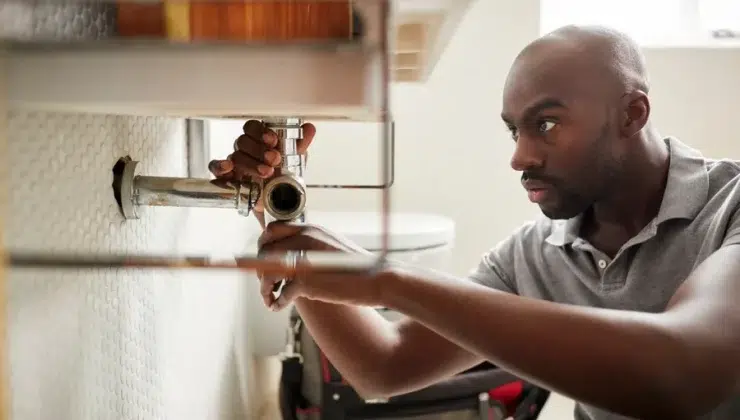
Older homes possess a unique charm, boasting architectural details and a history that newer constructions often lack. However, the age of a home can also bring plumbing challenges that newer properties might not encounter. Pipes corrode over time, fixtures wear out, and outdated systems can lead to leaks, blockages, and water quality issues. Homeowners living in older houses often face unexpected plumbing problems that, if ignored, may result in extensive damage or costly repairs. We will explore some of the most common plumbing issues found in older homes and practical ways to address them, ensuring the home remains safe, functional, and comfortable for years to come.
Identifying and Solving Plumbing Challenges in Older Homes
1. Corroded or Leaking Pipes
Older homes often contain galvanized steel or iron pipes, which can corrode internally over time. Corrosion can restrict water flow, cause leaks, or even lead to pipe bursts. Regular inspections by a trusted plumber in Broken Arrow, OK, are essential for identifying early signs of corrosion, such as rust-colored water, reduced water pressure, or visible leaks. Homeowners can replace outdated pipes with modern materials, such as PEX or copper, which are more durable and resistant to corrosion. In some cases, spot repairs may be sufficient, but full repiping ensures long-term reliability and peace of mind. Timely attention to pipe integrity not only prevents water damage but also improves overall water quality and system efficiency.
2. Clogged or Slow Drains
Drain issues are common in older homes due to years of buildup in pipes. Hair, grease, soap scum, and mineral deposits can gradually restrict water flow, leading to slow drains or complete blockages. Kitchen and bathroom sinks, as well as showers, are particularly susceptible. Homeowners can use mechanical drain snakes, hydro-jetting, or enzymatic cleaners to remove obstructions. Preventive maintenance, such as installing drain screens and regularly flushing drains with hot water, helps minimize blockages. For recurring problems, consulting a plumbing service to inspect and possibly replace sections of deteriorated pipes can prevent repeated clogs and reduce the risk of more severe plumbing failures.
3. Water Heater Problems
Older water heaters can become inefficient or fail entirely due to sediment buildup, corrosion, or worn-out heating elements. This can lead to inconsistent water temperatures, reduced hot water availability, or leaks. Regularly flushing the water heater helps remove sediment and maintain its efficiency. Homeowners should monitor for signs such as rumbling noises, rusty water, or water pooling around the unit. Replacing an aging water heater with a new, energy-efficient model improves performance and reduces the likelihood of sudden failures. Additionally, modern water heaters often incorporate advanced safety features that older models may lack, providing greater peace of mind and energy savings.
4. Toilet Malfunctions
Toilets in older homes may experience issues such as running water, weak flushing, or leaks due to worn flappers, corroded bolts, or aging tanks. Persistent running toilets waste water and increase utility bills. Replacing worn components, tightening tank connections, or installing a new toilet can resolve most issues. Additionally, older toilets often use more water per flush, so upgrading to a low-flow model not only improves efficiency but also reduces long-term water consumption. Identifying early signs of malfunction and addressing them promptly prevents leaks from damaging flooring and subflooring, preserving both the plumbing system and the home’s structure.
5. Low Water Pressure
Reduced water pressure is a frequent complaint in older homes and can result from pipe corrosion, mineral deposits, or partially closed valves. Water pressure problems affect showers, faucets, and appliances, making daily tasks inconvenient. Homeowners can check valves to ensure they are fully open and inspect pipes for corrosion or obstructions. In some cases, installing a water pressure booster system or replacing corroded pipes can restore optimal flow. Regular maintenance of fixtures and filters also prevents pressure reductions. Addressing water pressure issues early helps maintain comfort and efficiency throughout the home while avoiding strain on plumbing fixtures and appliances.
6. Sewer Line Issues
Older sewer lines, especially those made of clay or cast iron, are prone to cracking, root intrusion, or collapse over time. These problems can cause slow drains, backups, and foul odors. Early detection through sewer camera inspections allows homeowners to identify weak points before they escalate into major blockages or sewage leaks. Solutions range from trenchless pipe repair to full sewer line replacement, depending on the severity of damage. Proper maintenance, including avoiding flushing non-degradable items and monitoring tree root growth near sewer lines, helps prolong the life of sewer infrastructure. Timely intervention reduces the risk of costly emergency repairs and protects the home’s sanitation system.
7. Fixture Wear and Aging
Faucets, showerheads, and valves in older homes often show signs of wear, such as leaks, dripping, or corrosion. These problems not only affect functionality but can also increase water bills and create risks of water damage. Replacing aging fixtures with modern, durable options ensures reliable performance and can enhance the aesthetic appeal of bathrooms and kitchens. Routine inspection and maintenance, including cleaning aerators and checking seals, prevent minor leaks from becoming more significant issues. Upgrading fixtures also enables homeowners to utilize water-saving technologies, which enhance efficiency while minimizing environmental impact.
Maintaining the plumbing system in an older home requires vigilance, proactive maintenance, and timely repairs. Corroded pipes, clogged drains, aging water heaters, and low water pressure are common challenges that can compromise comfort, safety, and efficiency. By regularly inspecting plumbing systems, addressing issues promptly, and upgrading outdated components, homeowners can ensure that their homes continue to function smoothly. Understanding these common plumbing problems and how to address them provides a practical roadmap for maintaining the safety and reliability of older homes. Proactive care not only preserves the integrity of the plumbing system but also enhances water quality and reduces the risk of costly emergencies, ensuring long-term peace of mind.