Why Addiction Is a Psychological and Neurological Condition—Not Just a Physical One
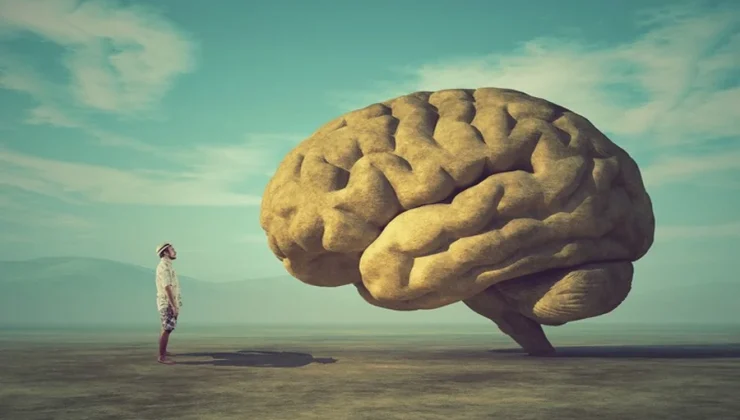
Picture a friend that struggles with drinking excessively. Most people see this as an example of bad behaviour or a weakness of will, but science indicates that there is a much larger issue involved in addiction, a brain disorder.
Addiction can be viewed as both a psychological and neurological disorder. The changes that occur in the brain can impact not only the way an individual thinks about or reacts to their body, but also affect every aspect of their mental health, including the way they view their world and even their relationships.
In this article, you will learn about the neurological changes, the psychological patterns, and the social influences that contribute to addiction; as well as the science behind how craving and recovery from addiction works. You will also gain insight into how the treatment of addiction addresses the underlying issues associated with addiction and the withdrawal syndrome.
Addiction affects millions of people; the National Institute of Drug Abuse identifies addiction as a chronic brain disorder that includes changes to an individual’s reward and control systems. With the recognition of addiction as a brain disorder, we can acknowledge that addiction is not a personal failure and therefore creates avenues for real healing.
The Neurological Rewiring: Addiction as a Brain Disease
The purpose of survival causes the brain to wire its own wiring. The way we set our brains up to remain alive – or stay “in the moment” – is the pleasure-producing chemical in our brain. Drugs/habits (gambling) will manipulate the brain’s wiring, increasing the urgency of normal joy into urgent needs. Because of this wire, addiction can impact the entire brain.
Science supports the wiring of addiction through brain scans that show brain activity after taking drugs and the modifications resulting from chronic drug use are not quick repairs. There are enduring effects, and they will require ongoing treatment to undo.
The Dopamine Reward Pathway Hijack
Dopamine is responsible for creating pleasure, it is the “feel good” chemical in the brain. Addictive substances will elevate the level of dopamine in your brain (a much greater degree than normal). Consider “stepping on the gas” (to the floor).
The mesolimbic pathway (reward pathway) provides mild dopamine activation from food and love, but excessive dopamine elevations are caused by massive releases of dopamine via cocaine, porn, etc. This huge flood of dopamine creates a large association between the high and your need for that high again.
Over time, your brain will adapt and fight back against the excesses of the drugs you take by removing (recessing) dopamine receptors (downregulation). As a result, the fun you are now having will not be as enjoyable. You must take drugs just to feel “normal”. Studies have demonstrated that this occurs in heavy users. For example, some users will show a decrease of anywhere from 20-40 percent in dopamine receptors after years of using drugs and/or engaging in compulsive behaviours.
The cravings that come from addiction are long-term, they will interfere with your decision making, and the mesolimbic pathway explains why quitting is such a painful process for many people.
The Psychological Underpinnings: Conditioning and Trauma
The brain sets the tone for the fire, the patterns in our minds fan the flame, and the fuel or energy (thoughts and hurt memories) is what sustains it. The addiction is the result of our attempts to deal with the deeper issues (emotional pain) associated with living through the experience that created the addiction.
From this perspective, the psychologist can offer more effective treatment for addiction because they will help to resolve the core problem instead of treating the symptoms (leaves).
The Role of Trauma and Adverse Childhood Experiences (ACEs)
Difficult beginnings leave an indelible impression. Childhood emotional, physical, or sexual abuse (loss included) increases your likelihood of developing a substance use disorder. In an analysis by the CDC, children suffering from Adverse Childhood Experiences (ACEs) were considered similar to children being hit by a car.
Stress causes a malfunction in the hypothalamic-pituitary-adrenal axis, creating a chronic state of hypervigilance (continuously having to pay attention or be on high alert). Eventually, this exhausts your body/mind. Drugs give a temporary escape from these horrific feelings, but have a longer-lasting negative impact on your life.
Although there has not been very much research done regarding substance use, there have been several studies correlating high levels of childhood ACE (adverse childhood experiences) exposure to three (3) times the chance of developing a substance use disorder. Addressing the ACEs first and assisting children in talking about their traumas can create a safe environment for them to talk about their feelings.
Stopping or “breaking” the cycle of abuse allows for a child with a traumatic past to become a healthy member of society.
Beyond Physical Withdrawal: The Protracted Healing Process
During a detox there comes a time when you cleanse your body, however, your mind and brain are still catching up.
The weeks of sweating have passed and you may still have months of fog left over.
This long-lasting result indicates that it is not just physical, and will take time to fix your brain or your central nervous system (CNS).
Recovery is going to be a long process.
Protracted Withdrawal Syndrome (PAWS)
Once you are no longer in withdrawal, you have now entered the stage of PAWS (post-acute withdrawal syndrome). You will experience mood swings (both highs & lows), diminished attention span, and a decrease in the things that bring you joy.
This will affect you in waves, and can last a year or more. You are going to notice that the amount of time it takes for your brain to heal is significantly longer than three days of quitting alcohol cold turkey.
Exploring comprehensive mental health services can help individuals and families understand the kinds of supports available for long-term recovery.
Conclusion: Embracing the Disease Model for Effective Recovery
Unlike the quick withdrawal symptoms such as alcohol withdrawal’s “shakes,” PAWS will have a much deeper and longer lasting effect on your life. There are some things that you can do to help manage PAWS. Keeping a journal of your mood changes, or joining a support group (50 percent of people who had an education on PAWS dropped out of their group compared to very few people that did not), are two things that have proven effective in the experience of others.
Remember, these changes are normal and will pass as you put in the time and effort to heal from addiction. You can also look into addiction recovery services that combine medical support, counseling, and ongoing relapse‑prevention strategies to support the brain’s gradual healing