Men’s Health and Footwear: How Orthopedic Shoes Prevent Long-Term Joint Problems
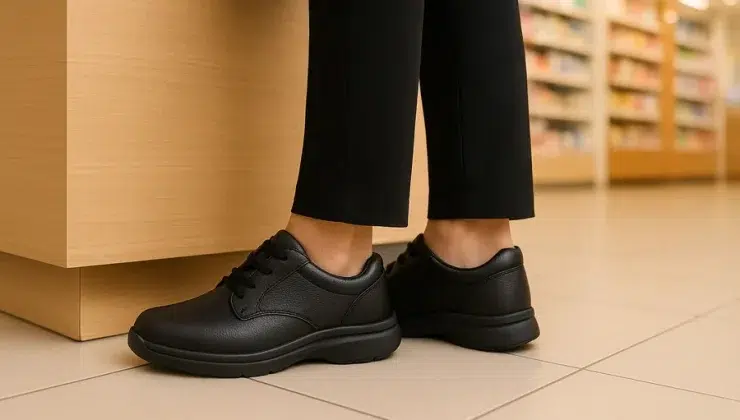
Men often ignore foot discomfort until it starts affecting something bigger. A sore heel becomes a shorter walk. Tight toes become a changed stride. Arch pain turns into knee irritation. Before long, the issue is no longer only about the feet.
That is why footwear deserves more attention in men’s health. Your shoes are the base your body moves from every day. If that base is narrow, weak, flat, unstable, or poorly shaped, your feet may compensate. Then the ankles, knees, hips, and lower back can start taking on strain they were never meant to carry.
This is where mensorthopedic shoes become more than a comfort purchase. They can prop up better alignment, ease off pressure, boost stability, and make daily moves kinder on the joints.
Can Orthopedic Shoes Help Protect Your Joints?
Orthopedic shoes cannot guarantee that you will never develop joint problems. No shoe can do that.
What they can do is reduce several everyday stress factors linked to discomfort: poor arch support, cramped toes, weak heel structure, unstable soles, and uneven pressure during walking.
Cleveland Clinic advises choosing shoes with a wide toe box and good arch support to help reduce the risk of foot pain. It also notes that firm heels, breathable materials, good arch support, and wider toe boxes can help with alignment and posture.
That matters because the feet are not isolated from the rest of the body. When your foundation improves, your movement often feels better too.
The Foot Is the First Link in the Chain
Every step begins at the foot. The heel lands, the arch absorbs pressure, the foot rolls forward, and the toes help push the body ahead.
If your shoe does not support that process, the body adapts. You may walk slightly differently without noticing it. You may shift weight away from a painful area, roll inward too much, shorten your stride, or avoid loading one side properly.
These small changes can travel upwards. The ankle may work harder. The knee may track differently. The hip may absorb extra pressure. The lower back may feel the result after a long day.
Harvard Health notes that proper walking shoes may help avoid common foot and ankle injuries, including plantar fasciitis and Achilles tendinitis. That is important because foot and ankle discomfort often changes the way a person walks.
Why Bad Shoes Can Affect Knees and Hips
A poor shoe fit can change how pressure moves through the leg.
If the toe box is too narrow, your toes cannot spread naturally. If the arch lacks support, your foot might cave inwards. If the heel wobbles, your foot could slip or tip. If the sole’s too flat or beat-up, your joints take extra pounding.
Over time, these little niggles stack up. This doesn’t mean every knee or hip ache comes from your shoes.But footwear can be one of the hidden contributors, especially for men who walk, stand, commute, travel, or work on hard surfaces for long hours.
Harvard Health reported on research where stable, supportive shoes were associated with better knee pain outcomes than flat, flexible shoes among people with knee osteoarthritis. After six months, 58% of people in the stable supportive shoe group reported reduced knee pain while walking, compared with 40% in the flat flexible shoe group.
That does not make supportive shoes a cure, but it shows why structure matters.
The Toe Box Problem Men Often Ignore
Many men keep buying the same shoe size for years. They focus on length, not shape.
But feet need space across the front. A narrow or pointed shoe can squeeze the toes together, press against the little toe, irritate bunions, and create pressure around the ball of the foot.
Guy’s and St Thomas’ NHS guidance warns that narrow or pointed shoes can squash the feet and may contribute to corns, nail problems, or nerve damage over time. It also explains that wide-fitting shoes give more room across the ball of the foot, especially when the toe shape is rounded or square.
This is one reason mensorthopedic shoes can feel so different from ordinary footwear. The better pairs are built to respect the natural shape of the foot, not force it into a narrow front.
Arch Support Helps Control Pressure
The arch helps distribute weight across the foot. When it is unsupported, pressure can shift into places that become uncomfortable over time.
Men with flat feet might spot inward rolling, achy arches, heel pain, or knee twinges.Men with high arches may feel more pressure under the heel and forefoot because the foot does not absorb impact evenly.
Orthopedic shoes usually include more structured arch support than basic casual shoes. The goal is not to force the foot into an unnatural shape. It is to support the foot enough so pressure moves through it more evenly.
Good arch support can make walking feel less tiring, especially for men who spend much of the day on hard floors.
Heel Stability Protects More Than the Heel
A weak heel counter can make the back of the foot move too much inside the shoe. That can mess with balance and alignment.
When the heel isn’t locked in right, the foot might slip, tip, or twist more than it should.Over thousands of steps, that can create stress in the ankle and knee.
A stable heel helps keep the rearfoot secure. It gives the body a more dependable base during walking, standing, turning, and climbing stairs.
This is especially useful for older men, heavier men, men with flat feet, and anyone who feels unstable in soft or flimsy footwear.
Cushioning Should Be Balanced, Not Just Soft
Many people assume the softest shoe is the healthiest shoe. That is not always true.
Too much softness can make the foot sink and wobble. Too little cushioning turns hard surfaces brutal. The smart pick is balanced padding: enough squish to soak up impact, but enough firmness to keep your foot planted.
That sweet spot counts for joint relief. When kicks eat some of the daily pounding from steps, your body skips the full jolt every time.For men who work in offices, warehouses, retail spaces, hospitals, schools, airports, or on city pavements, this can make a noticeable difference by the end of the day.
Proper Fit Can Reduce Daily Compensation
Poor footwear often leads to compensation.
If your shoes squeeze your toes, you may walk differently. If your heel slips, you may grip with your toes. If your soles are worn unevenly, your foot may land awkwardly. If your shoes are too narrow, you may shift pressure to the outside of the foot.
These changes can become habits.
The NHS footwear advice from East Sussex Healthcare says footwear should be long, wide, and deep enough, and that tapered footwear can restrict movement and cause discomfort. It also recommends buying shoes later in the day because feet can swell.
The right fit should feel secure, not tight. Roomy, not loose. Supportive, not rigid.
Who Should Consider Orthopedic Shoes?
Orthopedic kicks can bail out guys wrestling with heel pain, arch strain, swollen feet, bunions, hammertoes, wide feet, flat feet, plantar fasciitis, knee aches, or marathon standing shifts.
They’re also a savvy grab for dudes who feel wiped after short strolls, spot lopsided shoe wear, or get instant relief kicking off their shoes.
If nagging pain, diabetes foot woes, circulation snags, numbness, or past foot wounds are in play, chat with a doc before picking pairs.
How to Choose the Right Pair
Start with your foot’s shape, not just the size label.
Hunt for a roomy toe box, solid arch support, locked-in heel, cushioned midsole, breathable upper, and enough depth so your foot’s top doesn’t feel squished. The outsole needs grip and steadiness, not just mush.
Try shoes later in the day if possible. Wear the socks you normally use. Walk around properly before deciding. Check whether the heel slips, the toes feel crowded, or the arch feels uncomfortable.
A good pair of mensorthopedic shoes should feel comfortable early. You should not need weeks of painful breaking in.
Final Thoughts
Long-term joint health is rarely shaped by one big decision. It is usually shaped by daily habits. Footwear is one of them.
The right shoes can reduce unnecessary pressure, support the arches, give toes proper space, improve stability, and make walking feel more natural. That can help the feet, ankles, knees, hips, and lower back work with less avoidable strain.
Mensorthopedic shoes are not only for men with serious foot problems. They are for men who understand that comfort, mobility, and joint support are connected.
Your feet carry the rest of your body every day. Treating them properly is not a small detail. It is one of the most practical things you can do for long-term movement and everyday health.