From Bean to Barista: The Secret Network That Makes Coffee Culture Around the World Work
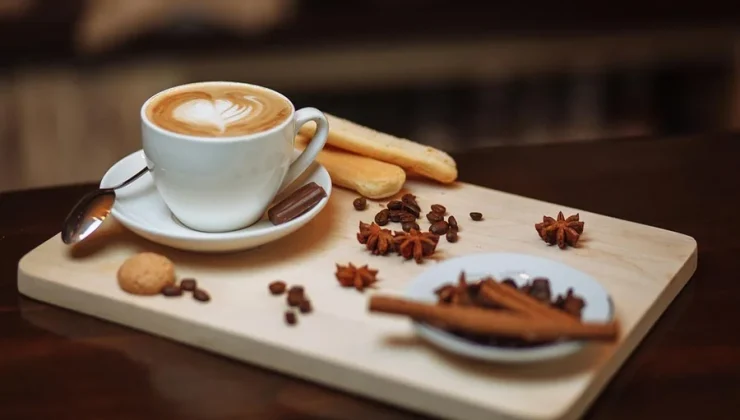
The global coffee renaissance has changed how we think about our daily cup, but not many coffee lovers know how all the moving parts come together to make their favorite drink. From the time coffee cherries are picked on a remote mountainside to the time you get your perfect espresso, a network of experts works around the clock to keep the quality high, the coffee fresh, and the supply chains that keep our caffeine-dependent world going.
One of the most complicated agricultural supply chains in the world is the way coffee is delivered today. Think about what happens when you buy that Ethiopian coffee from a single source online: within days, a package of coffee that started its journey weeks ago in the highlands of Sidamo arrives at your door. It has traveled thousands of miles while keeping the delicate flavor compounds that make it unique. This transaction, which seems simple, requires coordinated efforts across many continents, regulatory systems, and special handling needs that companies in the industry have learned how to handle.
The Time-Sensitive Nature of Coffee Excellence
Coffee works on a completely different timeline than wine, which can get better with age. This creates unique logistical problems. Green coffee beans stay at their best quality for about 6 to 12 months after they are processed, but this time frame changes a lot depending on where they come from, how they are processed, and how they are stored. After roasting, the quality countdown speeds up. Most specialty coffees reach their best flavor between 2 and 14 days after roasting, and then the flavor quickly gets worse.
This time sensitivity makes logistics professionals always have to balance their work. They have to plan harvest cycles for dozens of countries, each with its own seasonal patterns and infrastructure. Between November and January, Ethiopian coffee harvests are at their highest. Colombian coffee, on the other hand, has two harvest cycles each year that keep the supply going all year long. Brazilian operations make up most of the world’s volume, but they only produce a lot of goods during certain months. This causes huge logistical spikes that put a strain on ports, warehouses, and transportation networks.
The problem gets worse when you think about how coffee quality gets worse in many ways at the same time. Oxidation, which destroys flavor, happens when beans are exposed to oxygen. Changes in humidity can also make beans expand and contract, which makes tiny cracks that speed up staling. Enzymes that break down the complex compounds that give coffee its unique flavors and smells are activated when the temperature changes above 70°F.
The Structure That Supports Coffee Culture
Coffee logistics depend on special infrastructure that most people don’t see but that has a direct effect on their daily lives. Dedicated coffee warehouses all over the industry keep the environment under tight control, usually keeping the temperature between 60 and 68 degrees Fahrenheit and the relative humidity below 60%. These buildings have advanced air circulation systems that keep moisture from building up and keep beans from picking up smells from outside that could change their flavor.
Another major problem is port operations. Coffee usually comes in jute bags or special bulk containers, both of which need to be handled carefully to avoid damage. Major coffee ports like Hamburg, Antwerp, and Santos have built special coffee terminals with special equipment and trained staff who know how to handle coffee properly.
Transportation choices have a big effect on the final quality. Ocean freight is cheaper for large amounts of coffee, but it can take longer for the coffee to get there, and the temperature can change. Air freight keeps quality high by shortening transit times, but it can also add to the cost, which can double or triple the final price. Coffee businesses that do well find the best balance between these trade-offs based on the types of coffee they sell, the markets they sell to, and what their customers want.
How Technology Is Changing Coffee Supply Chains
Over the past ten years, digital innovation has changed the way coffee is moved around, adding features that were impossible just a few years ago. Internet of Things sensors now keep an eye on storage conditions in real time across the board. This lets logistics teams know about possible problems before they affect quality. Some advanced systems can tell when equipment will break down days in advance, which lets you do maintenance that keeps things running smoothly and saves money.
Blockchain technology has become a strong way to keep track of coffee. These systems now keep track of each coffee lot from the farm to the customer, giving us more information than ever about where it came from, how it was processed, and how it was handled. This technology helps fight fraud and lets people pay more for really great coffees.
Machine learning algorithms look at past shipping data to make the best routing choices and guess when delays might happen. These systems look at things like weather patterns, port congestion, and seasonal changes in demand to suggest the best ways to ship different types of coffee to different places.
Sustainability and Efficiency
Environmental awareness is now a key part of modern coffee logistics, thanks to both customer demand and government rules. Now, initiatives to reduce carbon footprints affect basic business decisions, such as choosing the best shipping route and packaging materials. Some logistics companies have become carbon neutral by using renewable energy and taking part in offset programs.
Research from the Journal of Cleaner Production shows that sustainable logistics practices can actually make coffee taste better by making it easier to handle and shortening transit times. Companies that have full sustainability programs say that their customers are happier and that their relationships with coffee producers are better.
Another area of focus is optimizing water use, which is especially important because coffee needs a lot of water to process. Advanced logistics operations now use closed-loop water systems and treatment facilities that have little effect on the environment while still meeting the strict hygiene standards needed for food-grade operations, according to studies from Cambridge’s Renewable Agriculture and Food Systems journal.
The Future of the Coffee Movement
New trends show that coffee logistics will become more complex and better able to meet the needs of customers. People are working on AI systems that can guess what people in different areas like and change the way the supply chain works to match those tastes. This could help with more accurate inventory management, cut down on waste, and make sure that certain market segments always have the freshest products.
Direct trade between roasters and farmers is changing the way logistics have always worked. These partnerships often need logistics solutions that are more flexible and can handle special processing needs and changes in demand throughout the year while still meeting the quality standards that make the high prices worth it.
More and more people can now Buy African Specialty Coffee from all over the world thanks to the integration of e-commerce platforms with logistics systems. Logistics companies need to be able to handle small batches, ship quickly, and ship directly to consumers while still meeting the same quality standards that are usually only used for business-to-business operations.
Your daily coffee ritual is the result of a global logistics network that works with such precision that it rivals any supply chain in the world. Knowing how complicated this is adds to your appreciation of coffee by showing how amazing it is that so many people can work together to make sure the quality stays the same over thousands of miles and in many different cultures.