Arizona’s Luxury Boom and Its Impact on the Diamond Market
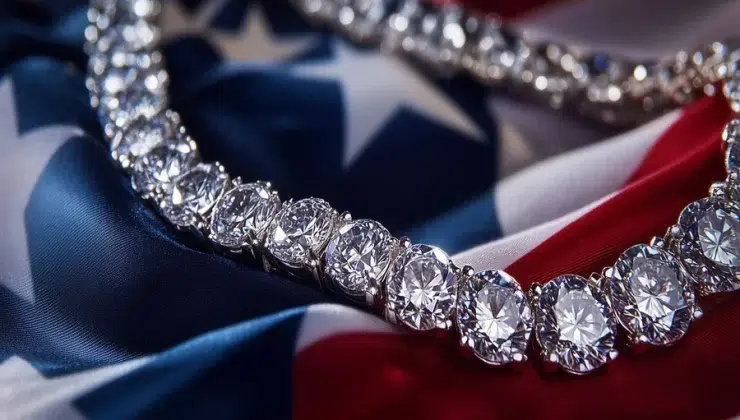
What happens when rapid luxury growth reshapes not only where people live, but also how they spend and invest? Arizona’s rise as a destination for affluent residents, luxury tourism, and high-end real estate has created ripple effects across several industries, including the diamond market. As wealth continues flowing into areas like Scottsdale and Paradise Valley, demand for diamonds and fine jewelry has grown alongside changing consumer expectations. Buyers today often want more than traditional luxury symbols, focusing instead on personalization, rarity, transparency, and long-term value. These shifts are transforming how diamonds are bought, sold, and viewed within Arizona’s expanding luxury economy.
From Desert Escape to Luxury Destination
Over the last two decades, Arizona has evolved from a seasonal retirement destination into a major center for luxury living. Cities like Scottsdale and Paradise Valley have seen rapid growth in luxury real estate, upscale communities, and high-end hospitality developments. Wealthy buyers from states with higher living costs have increasingly moved to Arizona in search of larger properties, privacy, lower taxes, and a warmer climate. At the same time, remote work and flexible business operations made it easier for affluent professionals to relocate without sacrificing their careers or investments.
This shift has changed the local economy in noticeable ways. Luxury restaurants, wellness-focused services, exclusive events, and premium retail experiences have expanded to meet the expectations of affluent residents and visitors. As more wealth entered the state, demand for luxury goods naturally increased alongside it. Fine jewelry and diamonds became part of that broader lifestyle shift, especially among consumers looking for products that reflect status, personal achievement, or long-term value.
Why Luxury Growth Often Leads to More Diamond Sales
Luxury growth tends to influence spending habits beyond homes and travel experiences. When affluent communities expand, spending on high-end fashion, watches, art, and jewelry usually grows as well. Diamonds remain strongly associated with milestones, exclusivity, and social status, which makes them especially attractive in luxury-driven markets. In Arizona, rising wealth has helped create stronger demand for engagement rings, anniversary gifts, and statement jewelry purchases.
Modern luxury buyers are also becoming more selective about what they purchase. Many consumers are no longer interested in generic pieces that look identical to what everyone else owns. Instead, there is growing demand for rare stones, custom settings, and jewelry that feels personal or distinctive. This trend has encouraged greater interest in craftsmanship, diamond quality, and design uniqueness rather than simple size alone. As Arizona’s luxury culture expands, those preferences continue shaping the local diamond market.
Who’s Buying Diamonds in Arizona Today?
The profile of diamond buyers in Arizona has changed significantly in recent years. While traditional buyers still play an important role, younger professionals and self-made entrepreneurs are becoming more active in the luxury jewelry market. Many of these consumers have different priorities compared to previous generations. They often value personalization, transparency, and flexibility over purely traditional ideas about luxury ownership.
Another noticeable trend is the rise of self-purchasing. More people are buying diamonds and fine jewelry for themselves rather than waiting for weddings or anniversaries. Successful professionals, business owners, and social media-driven lifestyle consumers increasingly view jewelry as both self-expression and a reward for personal achievement. Seasonal residents and luxury tourists also contribute to demand, especially during peak travel months when Arizona attracts affluent visitors looking for high-end experiences and shopping opportunities.
Diamonds as More Than Just Jewelry
For some buyers, diamonds are no longer viewed only as decorative purchases. Economic uncertainty and inflation concerns have pushed some affluent consumers toward tangible luxury assets that feel more stable than fast-changing digital trends or highly volatile investments. High-quality diamonds, especially rare and certified stones, are sometimes seen as portable stores of value that can be passed down through generations. This perception has helped increase interest in premium stones with strong documentation and verified quality standards.
At the same time, the idea of diamonds as investments is often misunderstood. Not every diamond increases in value over time, and resale markets can vary significantly depending on demand, rarity, and market conditions. Buyers who approach diamonds as long-term assets usually focus on quality factors such as cut, clarity, rarity, and certification rather than impulse purchases. In Arizona’s growing luxury market, this has created more informed consumers who tend to research purchases carefully before making high-value decisions.
Why More People Are Selling Diamonds in Arizona
As Arizona’s luxury economy grows, the resale side of the diamond market has expanded as well. Many people now look to sell inherited jewelry, unused engagement rings, or older luxury pieces they no longer wear. In affluent communities, wealth circulation often creates active secondary markets where high-end jewelry changes hands more frequently. Some sellers are motivated by financial opportunities, while others simply want to convert unused valuables into liquid assets.
This growth has also increased demand for trustworthy evaluations and transparent pricing. Sellers today are often more informed than they were in the past because they can research diamond values and market trends online before meeting with buyers. As competition among buyers increases, consumers expect clearer explanations, professional appraisals, and less pressure during the selling process. Businesses that fail to build trust may struggle in a market where reputation and transparency increasingly influence customer decisions.
The Growing Demand for Custom and One-of-a-Kind Jewelry
Luxury consumers are increasingly drawn toward jewelry that feels personal rather than mass-produced. In Arizona’s expanding luxury market, many buyers want pieces that reflect individual taste, lifestyle, or personal stories. This has created stronger demand for custom-designed jewelry and unique diamond settings that cannot easily be replicated. Buyers often view these pieces as more meaningful because they carry emotional value alongside financial cost.
Social media and lifestyle branding have also influenced this shift toward customization. Consumers are constantly exposed to curated personal images and luxury aesthetics online, which encourages demand for jewelry that stands out visually. Instead of choosing standard designs, many buyers now want jewelry that feels exclusive and distinctive. This trend has pushed more attention toward craftsmanship, design consultation, and personalized experiences within the diamond market.
Modern Luxury Buyers Care About More Than Appearance
Luxury buyers today often ask more questions about where diamonds come from and how they are sourced. Ethical concerns surrounding labor practices, environmental impact, and supply chain transparency have become more important, especially among younger consumers. Many buyers now want reassurance that their purchases align with their personal values as well as their aesthetic preferences. This has increased demand for documentation, certification, and clear sourcing information.
Trust has become one of the most valuable parts of the luxury jewelry experience. Consumers making expensive purchases want confidence in both the product and the person selling it. In Arizona’s competitive luxury environment, professionals like The Estate Watch & Jewelry Co. that provide transparency and education may have an advantage over those relying only on traditional sales tactics. As consumer expectations continue evolving, ethical considerations are likely to remain an important part of the diamond market conversation.
The Challenges Behind Arizona’s Diamond Boom
Despite strong growth, Arizona’s diamond market still faces several challenges. Luxury spending can slow during periods of economic uncertainty, especially when consumers become cautious about large discretionary purchases. Inflation, market instability, and shifts in consumer confidence can all influence buying behavior. Even wealthy consumers may delay high-end purchases during uncertain financial periods, which can create volatility within the luxury sector.
Competition has also intensified due to the growth of online diamond marketplaces and global sellers. Consumers can now compare prices, certifications, and designs from businesses across the world within minutes. This has increased pressure on local sellers to provide stronger customer service, education, and personalized experiences that online-only competitors may struggle to offer. Building long-term trust and credibility has become increasingly important in an industry where buyers often approach purchases carefully and skeptically.
Conclusion
Can a growing luxury market permanently change the identity of a regional diamond industry? Arizona’s rapid transformation into a destination for affluent living, luxury tourism, and upscale experiences has already had a noticeable impact on how consumers approach diamonds and fine jewelry. Demand is increasingly shaped by buyers who value customization, ethical sourcing, exclusivity, and informed purchasing decisions rather than simple displays of wealth. At the same time, stronger competition and changing consumer expectations are pushing the industry toward greater transparency and personalized service. As Arizona continues attracting wealth and investment, its diamond market will likely keep evolving alongside the state’s broader luxury culture.