What Music Fans Teach Us About Loyalty
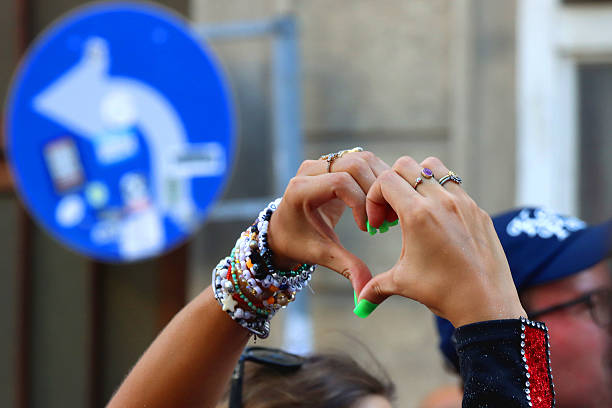
Music fans understand loyalty in a way few industries can manufacture. They know the difference between casual attention and genuine attachment. They know why someone will follow an artist through awkward albums, small venues, label changes, long gaps and imperfect live shows. Loyalty, in music, is rarely built by one perfect moment. It is built through repeated signals that feel honest enough to stay with.
This makes music fandom a useful lens for understanding trust more broadly. Whether the subject is a band, a local venue, a digital platform or an online community, people tend to return when they feel recognised rather than targeted.
Loyalty Begins With Recognition
A listener often becomes a fan when something feels personally specific. It might be a lyric that catches a private feeling, a guitar tone that recalls a place or a live performance that makes a crowded room feel strangely individual.
That sense of recognition is powerful because it gives people more than entertainment. It gives them a way to understand themselves, or at least to sit with something they had not quite named.
This is why loyalty can outlast trends. A song that arrives at the right emotional moment does not compete in the same way as a new release on a playlist. It becomes part of the listener’s internal archive. Once that happens, the relationship is no longer purely about taste. It is about memory, identity and continuity.
Fans Notice Consistency
Music fans are often more observant than they are given credit for. They notice when an artist’s choices feel coherent. They notice when a venue treats local acts with respect. They notice when a publication understands the culture it is writing about rather than simply borrowing its language.
Consistency does not mean sameness. Artists can evolve and still feel trustworthy. In fact, many loyal fans expect change. What they tend to resist is a sudden shift that feels disconnected from the artist’s earlier values.
Writers such as Maddison Dwyer often examine user behaviour through trust, credibility and decision-making. Music fandom shows those ideas in a very human form. People continue to engage when the signals they receive remain clear enough to believe.
A band does not need to repeat itself to keep loyalty. It needs to make change feel earned.
Community Makes Attachment Stronger
Fandom is rarely a private experience for long. Even solitary listening often leads outward, towards forums, record stores, local gigs, shared playlists or conversations after shows. These spaces help turn interest into belonging.
Community strengthens loyalty because it gives fans more reasons to stay. A person may love the music, but they may also value the friendships, rituals and shared references built around it.
This is why small scenes can be so resilient. They are not held together only by commercial success. They survive through people who show up, recommend bands, buy merch, take photos, write about shows and tell others what is worth hearing.
In that sense, loyalty is participatory. Fans do not simply consume culture. They help maintain it.
Trust Can Be Damaged Quietly
Because fandom is emotional, people sometimes assume loyalty is unconditional. It usually is not. Fans can be patient, forgiving and generous, but they are also capable of withdrawing when something feels false.
That withdrawal may not happen dramatically. Sometimes people simply stop listening as closely. They skip the announcement. They ignore the tour date. They no longer defend the artist in conversation.
Trust can be damaged by many small things:
- Overpromising and underdelivering
- Treating fans as data rather than people
- Ignoring the culture that supported early growth
- Making every interaction feel transactional
- Losing the sense of care that made the work matter
Fans may accept imperfection. What they resist is being taken for granted.
Digital Platforms Have Changed the Shape of Loyalty
Streaming and social media have made music easier to access, but they have also changed how attachment forms. Discovery is faster. Attention is more fragmented. Listeners can move from one artist to another with very little friction.
This does not mean loyalty has disappeared. It means loyalty has become more deliberate.
Fans now have endless options, so returning to the same artist or scene is a meaningful act. Buying a ticket, joining a mailing list, sharing a release or following a local venue all require some level of commitment in an environment built for constant movement.
The platforms may encourage speed, but fans still look for depth. They still want signs that the people behind the work care about more than reach.
What Loyalty Really Reveals
Music fans teach us that loyalty is not created by visibility alone. Being everywhere is not the same as being trusted. A song can be heard by millions and still leave little behind, while a small show in the right room can shape someone’s taste for years.
The strongest loyalty grows from recognition, consistency and shared meaning. It asks for time. It depends on care. It is difficult to fake because fans usually feel the difference between genuine connection and a performance of connection.
For artists, venues, publications and digital communities, that is the useful lesson. People return to what helps them feel more clearly connected to themselves and to others. Music simply makes that pattern easier to hear.
Article by Maddison Dwyer
Maddison Dwyer is a seasoned iGaming writer and industry analyst with a strong foundation in journalism and digital content creation. With over 8 years of experience, she specialises in breaking down complex casino strategies into clear, accessible insights for players of all levels. Her work spans topics such as online gambling, casino reviews and responsible gaming, with a focus on delivering well-researched, trustworthy content.
Outside of writing, Maddison enjoys kitesurfing, exploring the outdoors and rewatching Casino Royale.