Creating School Systems Where Every Student Can Succeed
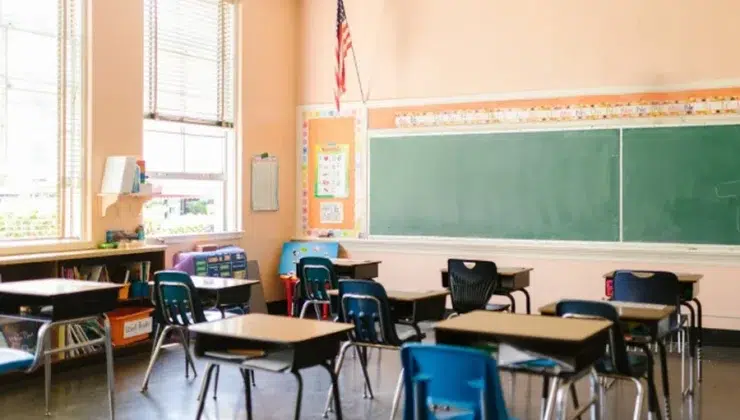
Missouri schools serve students with many different needs, strengths, and life experiences. In one classroom, a teacher may have students who learn quickly, students who need extra time, and students who face challenges outside of school that affect their focus. Many educators across the state feel pressure to meet high expectations while also making sure no student gets left behind. Families want schools to provide support that goes beyond test scores. They want learning environments where students feel understood and capable. Creating school systems where every student can succeed does not happen through one program or a quick fix. It takes thoughtful planning, strong leadership, and daily practices that help all learners grow.
Success Begins with Knowing Students Well
A school system works best when it starts with a clear understanding of the students it serves. Every student comes to school with a different background, learning style, and level of support at home. Some may need extra help with reading, while others may need encouragement to stay engaged. When schools take time to know students as individuals, they can respond in more meaningful ways. This includes paying attention to academic progress, behavior, and emotional well-being. Teachers and staff can spot patterns early and adjust support before problems grow.
At Northwest Missouri State University in Maryville, programs focus on preparing educators to advocate for student success and promote school-wide improvement. An online educational specialist degree can help teachers and school leaders gain advanced training in assessment, collaboration, and instructional planning, allowing them to create stronger support systems that meet student needs more effectively.
Helping Students Early Makes a Lasting Difference
Many learning struggles become harder to fix when schools wait too long to respond. Early support can prevent students from falling behind and losing confidence. Schools should look for warning signs through classroom work, teacher observations, and regular check-ins. When a student starts to struggle, small steps like tutoring, targeted instruction, or extra practice can help right away. Early action also reduces the need for more intense interventions later. Students benefit when support feels normal and timely, not delayed or stigmatizing. A strong system builds routines that help students get what they need as soon as challenges appear, so progress stays steady over time.
Strong Collaboration Builds Better Schools
Schools improve when educators work as a team rather than in isolation. Collaboration helps teachers share ideas, solve problems, and support students more effectively. When classroom teachers, counselors, specialists, and administrators communicate regularly, students receive more consistent help. Families also play an important role in this process. Schools that include parents and caregivers in conversations build trust and improve student outcomes. Collaboration does not need to be complicated. It can happen through shared planning, regular meetings, or simple updates that keep everyone informed. When adults stay connected and focused on the same goals, students benefit from clearer support systems and stronger learning environments.
Inclusive Support Helps Every Learner Belong
Schools serve students with a wide range of learning needs, including students with disabilities, language differences, or challenges with attention and behavior. A strong school system creates support that helps these students feel included, not separated. This can involve classroom accommodations, specialized instruction, or access to support staff such as special educators and counselors. Inclusion works best when students receive help while still feeling part of the school community. Teachers also benefit from clear plans and shared strategies. When schools treat learning differences as normal and expected, students gain confidence and stay engaged. Inclusive systems help every learner feel respected and capable of success.
Using Data Without Overwhelming the Classroom
Schools collect many forms of information about student learning, but the goal should always stay simple: using data to help students improve. Helpful data can come from quizzes, assignments, reading progress, or teacher observations. It should guide decisions such as who needs extra support or which skills need more attention. Schools do not need to rely on constant testing to understand student needs. Instead, educators can focus on meaningful information that connects directly to instruction. When data stays practical, teachers can adjust lessons quickly and students benefit from targeted help. A strong system uses data as a tool for growth, not as extra pressure.
School Culture Impacts Learning Every Day
Students learn better when they feel safe, supported, and respected at school. A positive school culture encourages students to participate, ask questions, and take learning seriously. Culture includes how staff treat students, how discipline is handled, and whether students feel they belong. Schools can build stronger environments through clear expectations, consistent routines, and strong relationships between adults and students. When teachers create welcoming classrooms, students feel more comfortable taking academic risks. School culture also affects behavior and attendance. A healthy environment helps students stay engaged and connected. Strong systems understand that learning improves when students feel valued each day.
Creating school systems where every student can succeed requires more than good intentions. Schools need clear support structures, strong leadership, early intervention, and inclusive practices that reach all learners. Teachers need resources and collaboration, students need safe and welcoming environments, and families need to feel like true partners. Missouri schools, like schools everywhere, face real challenges, but they also have dedicated educators working toward better outcomes. When schools focus on practical solutions that support students academically and emotionally, success becomes more achievable for everyone. A strong system does not serve only a few students well. It creates conditions where every learner can move forward with confidence.