What Truly Separates Luxury Watches From Ordinary Timepieces
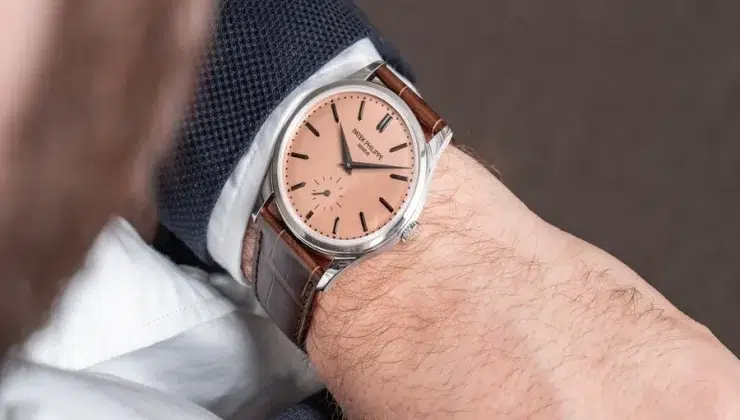
Luxury watches have always captivated those who appreciate beauty, elegance, and the essence of luxury. Regular watches are used for the purpose they are created for, but luxury watches, when compared to the latter, are a lot more than just a watch. Certain characteristics differentiate luxury watches and are the reason many of these watches are prized possessions as well as status symbols. Knowing and understanding these differences, we will appreciate the worth and value of a luxury watch.
Exceptional Craftsmanship
One key difference between luxury watches and regular watches is the level of craftsmanship involved. They are manufactured by artisans and take months to create. Gears, dials, and everything in between are all hand assembled to guarantee accuracy and longevity. Because attention to detail means that every watch is more than a tool: it is a piece of art. They’re usually more accurate and last longer because a lot of pride goes into making them. Collectors exploring luxury watches often discover how craftsmanship and heritage distinguish them from ordinary timepieces.
Superior Materials
Typical watches may make use of standard metals, plastic types, or glass. Conversely, luxury watches use metals such as gold, platinum, or titanium. Anti-scratch sapphire crystal protects the face and has excellent hardness. Some high-end timepieces will also have diamonds or other rare gemstones adorning their appearance, adding extra beauty and value. On top of their visual charm, these materials also contribute strength and durability.
Innovative Movements and Mechanisms
Luxury models differ in their internal mechanism, known as the movement, from the simple ones. Most luxury timepieces use mechanical or automatic movements, which have no battery and are instead driven by an elaborate network of gears and springs. These elaborate movements require tremendous skill to put together properly and provide a fluid second-hand sweep, as well as accurate timekeeping.
Attention to Design and Aesthetics
However, design is a huge part of making luxury watches. We style each outfit around elegance, tradition, or innovation. Designers look to art, architecture, and even nature for inspiration to create different looks that we can remember. Final details like hand-polished cases and engraved finishes add to a refined look. Luxury watches are more than accessories; they show your taste.
Heritage and Brand Prestige
Luxury watchmakers tend to have impressive histories, often going back hundreds of years. This lineage adds an air of tradition and prestige to each piece produced by the brand. Watch collectors or enthusiasts typically appreciate a watch not only for appearance or function but also for the tale of the timepiece. Heritage brands spend decades honing their craft while upholding their reputation for craftsmanship. Most regular watches do not have that kind of history behind them.
Limited Production and Exclusivity
One more distinctive feature of a luxury watch is that it is limited or not easily attainable. Many high-end manufacturers only release a few pieces per year, making it all the more elusive. Having a rare item gives you something exclusive and tons of pride. Cheap mass-produced wristwatches do not come equipped with this particular charm. Not only does scarcity create desirability, but it also drives resale values up.
Investment Value
Luxury watches are known for preserving or even continuing to appreciate in value, making them a desirable investment. The combination of these factors, along with superior craftsmanship and scarcity, makes luxury watches a sound investment. The advancement of technology and design leads to a rapid devaluation of normal watches. High-end watches are considered tangible assets, and many collectors even hand them down from generation to generation.
Emotional Connection and Sentiment
A luxury watch may cost a lot of money or serve a purpose, but often, it also has an emotional connection. Receiving or buying such a watch on an anniversary usually signifies an important milestone in life, and it becomes emotionally significant as it becomes a part of personal history. Basic watches may be useful, but they seldom create as much love or memories.
Service, Maintenance, and Aftercare
The careful handling of those artisan watches is a must in prolonging their lifespan. PetROL offers specialized service centers manned by experts trained to service the intricacies of these watches for owners. That preservation of looks and performance lasts for many years with regular maintenance. More common timepieces might not enjoy such focused aftercare, resulting in a shorter lifespan or notoriety for errant functionality.
Conclusion
Luxury watches are differentiated by craftsmanship, material, design, tradition, and value. All these factors contribute to the unique features of luxury watches, making them coveted objects of desire. By appreciating these differences, both watch enthusiasts and those who admire them from a distance can tell the story of the artistry and importance represented in every luxury watch.