How to Troubleshoot and Repair an AC That Keeps Turning Off
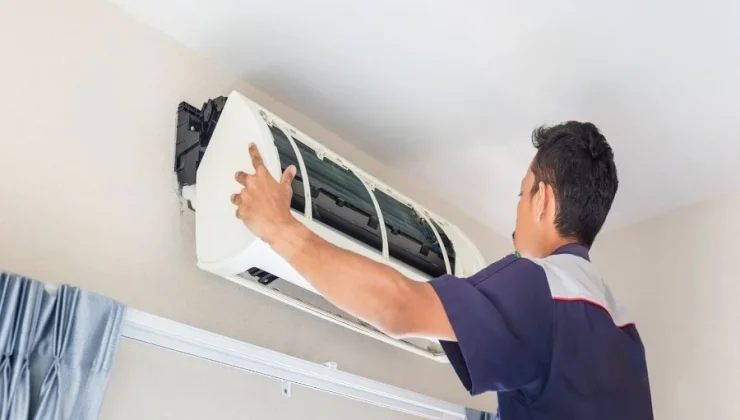
Air conditioning systems are essential for maintaining comfort during hot months, but when your AC keeps turning off unexpectedly, it can quickly become frustrating and inconvenient. An AC that shuts down frequently can indicate underlying issues that, if left unresolved, may lead to higher energy bills or even permanent damage to the unit. Understanding the reasons behind these interruptions and knowing how to address them can save both time and money. We will explore common causes of AC shutdowns and practical steps for troubleshooting and repairing the system to restore consistent performance while ensuring safety. Taking timely action can prevent minor problems from escalating into significant repairs.
Common Causes and Solutions for an AC That Turns Off
1. Clogged Air Filters
A dirty or clogged air filter is one of the most frequent causes of an AC turning off prematurely. Filters trap dust, pollen, and debris, preventing them from entering the system. Over time, accumulated particles reduce airflow, forcing the AC to overwork and eventually shut down to prevent overheating. For homeowners in Duncan, scheduling regular AC repair Duncan services can help identify and address filter issues before they cause serious problems. To address this issue on your own, check the filter monthly during peak usage. If it appears dirty, replace or clean it according to the manufacturer’s instructions. A clean filter not only improves airflow but also enhances energy efficiency and prolongs the lifespan of the system. Maintaining proper filter hygiene is a simple step that can prevent frequent interruptions.
2. Thermostat Problems
The thermostat controls the AC’s operation by signaling when to turn on and off based on the temperature setting. Malfunctions in the thermostat can cause irregular cycles, including frequent shutdowns. Start by ensuring the thermostat is set to the correct mode, such as “cool” instead of “fan only.” Verify that the temperature setting is suitable for the room’s needs. Sometimes, replacing the thermostat’s batteries or recalibrating it can resolve the issue. For digital or smart thermostats, software updates or a system reset may be required. Ensuring the thermostat functions accurately prevents unnecessary strain on the AC system.
3. Refrigerant Leaks
Low refrigerant levels due to leaks can cause an AC to shut down unexpectedly. Refrigerant absorbs heat from indoor air, and insufficient levels reduce cooling efficiency, triggering safety mechanisms that stop the system from running. Identifying a leak often requires a professional inspection, as handling refrigerants can be hazardous. Signs of a refrigerant problem include reduced cooling, ice buildup on coils, or hissing sounds near the outdoor unit. Once detected, the leak must be repaired, and the refrigerant recharged to the manufacturer’s specifications. Addressing this promptly ensures consistent cooling and prevents long-term damage to the compressor.
4. Electrical Issues
Electrical problems are another common cause of intermittent AC operation. Loose wiring, tripped breakers, or faulty capacitors can disrupt the flow of electricity to the system, leading to unexpected shutdowns. Begin troubleshooting by inspecting the circuit breaker or fuse box to ensure the AC has a stable power supply. Turn off the unit before examining internal wiring for visible damage or loose connections. If a capacitor or relay appears burned or swollen, it may need to be replaced. Because electrical work can be dangerous, taking proper precautions or consulting a licensed technician is recommended. Ensuring a steady power supply helps the AC operate reliably.
5. Dirty Condenser Coils
The condenser coils located in the outdoor unit release heat from the refrigerant, enabling the cooling process. Over time, these coils can accumulate dirt, leaves, or debris, which reduces their heat transfer efficiency. When the system senses high pressure or overheating due to dirty coils, it may shut down to prevent damage. Inspect the outdoor unit for debris and clean the coils carefully using a soft brush or garden hose. Avoid using high-pressure water, which can damage the fins. Keeping condenser coils clean supports optimal performance and reduces the risk of frequent shutdowns.
6. Blocked or Leaky Ducts
Air ducts distribute cooled air throughout the home. Blockages or leaks in the ductwork can cause uneven airflow, resulting in certain areas overheating or undercooling. The AC may cycle off prematurely if the system senses a temperature imbalance. Inspect ducts for obstructions, disconnected sections, or visible damage. Sealing leaks with appropriate materials, such as mastic or foil tape, can restore proper airflow. Regular maintenance of ductwork not only improves comfort but also enhances energy efficiency by reducing the workload on the AC unit.
7. Overheating Compressor
The compressor is the heart of an air conditioning system. If it overheats due to mechanical wear, electrical issues, or restricted airflow, the system may shut down automatically to prevent damage. Listen for unusual noises or vibrations near the outdoor unit, which can indicate a stressed compressor. Allow the unit to cool and check for any blockages or debris around the outdoor fan. Preventive maintenance, such as lubricating moving parts and ensuring proper refrigerant levels, helps keep the compressor running smoothly. Prompt attention to overheating issues can prevent costly replacements.
An air conditioning system that keeps turning off is a sign that attention is required to ensure consistent performance and comfort. From clogged filters and thermostat issues to refrigerant leaks and electrical problems, various factors can disrupt operation. Addressing these issues through careful troubleshooting, cleaning, inspection, and maintenance can restore efficiency and prevent further complications. By understanding the common causes and implementing practical solutions, homeowners can prevent unnecessary downtime, reduce energy costs, and prolong the life of their AC system. Regular upkeep, combined with timely intervention, ensures that cooling remains uninterrupted even during the hottest months.