How Smart Businesses Use Space to Build Culture
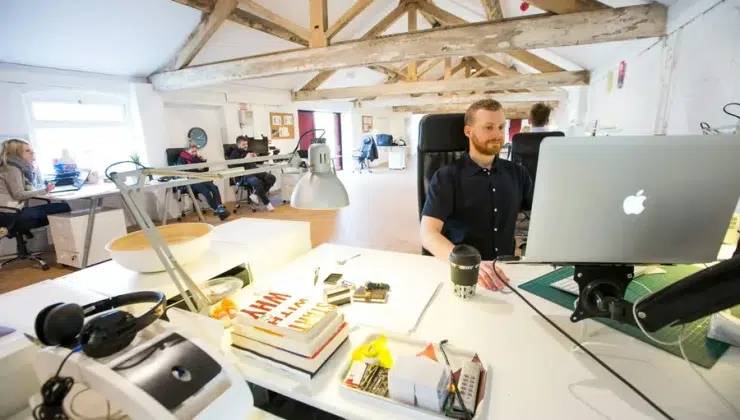
Culture isn’t just something you write in your company handbook or slap onto a mission statement. It’s not about slogans or the number of emojis in your Slack channel either. Culture is real. You feel it—or you don’t. And believe it or not, one of the most powerful tools for building that culture? The space you work in. Think about it. Where your team gathers, how people move around, and where they grab coffee—it all feeds into your company’s rhythm.
That’s why choosing the right environment matters. Whether you’re growing a lean startup or running a remote-first team with in-person check-ins, a great coworking space in Pacific Heights can quietly shape the way your team connects, communicates, and grows together.
Culture Is Built in the Gaps, Not the Meetings
Most of your company culture isn’t happening in your Monday all-hands. It’s in the stuff you don’t plan. The quick “got a sec?” desk chats. The way people linger after meetings. The feeling in the air on a random Thursday afternoon. That’s the stuff that builds trust. And that stuff happens in the margins—between tasks, between meetings, in shared spaces that aren’t fully about work but still feel like part of it.
When your space doesn’t allow for these moments, culture feels forced. People stay in their corners, do their job, and then vanish. But when the layout encourages connection without pressure? That’s when people start to bond without even realizing it. And when people bond, culture starts to grow.
Your Office Design Says More Than Your Core Values
You can say “we believe in collaboration” all day, but if your team’s working in cubicles or can’t find a place to talk without whispering, people won’t buy it. The design of your space tells the real story. It’s louder than your vision deck.
Want more creative thinking? Then why is your space gray and silent like a library? Want more collaboration? Then make sure people can actually see and talk to each other without it turning into chaos. People notice these things. They may not say it out loud, but they’ll feel it.
Design isn’t about looking pretty—it’s about building an environment that matches your values. If your values are sharp, your space should be sharp. If your culture is relaxed, let your space breathe a little. The point is: don’t let the office say one thing while the brand says another.
Flexibility Is the New Corner Office
If there’s one thing employees crave now, it’s control over how they work. That doesn’t just mean remote options or flexible hours. It means being able to move around, choose their vibe for the day, and decide where they’ll get the most done.
Some days, you want a quiet spot where no one bothers you. Other days, you want to bounce ideas around and feed off the buzz. Smart businesses offer both. Not just to be nice, but because it works. People who can shape their environment feel respected. And respect builds loyalty.
A rigid setup that locks everyone into one way of working? That’s outdated. You’re not building an assembly line. You’re building a team of thinkers.
Coworking Spaces Are Evolving—And Fast
There was a time when coworking meant bean bags and chaos. Now? It’s different. Today’s coworking spaces aren’t just about saving on rent. They’re about smart design, community, and access to resources that small teams don’t always have on their own.
And no—it’s not just freelancers with laptops anymore. Startups, satellite teams, even seasoned execs are choosing shared workspaces for what they offer: flexibility, design, and a sense of belonging that you can’t fake.
What Good Spaces Actually Get Right
There’s a lot of talk about “wellness” and “balance” and all that. But let’s cut through the fluff. The best workspaces don’t try to feel like home. They feel like the best version of work.
They give you what you need to focus when it’s time to focus. They give you space to connect when you want connection. They don’t distract. They don’t demand it. They just work with you, not against you.
The good ones have decent lighting. Ergonomic chairs. Quiet zones. Fast Wi-Fi. Private booths when you need to hop on a call. And yeah, great coffee helps too. It’s not about luxury—it’s about showing people they’re valued.
Conclusion
You can’t fake culture. You can’t write it into existence. But you can create conditions where it grows. And your space is a big part of that. Think of it this way: if culture is a plant, then space is the soil. You don’t control the plant, but you can control what you plant it in. Build a space that encourages the kind of behavior you want. Respect. Curiosity. Connection.