Evolution of Cannabis Genetics from Landraces to Hybrids
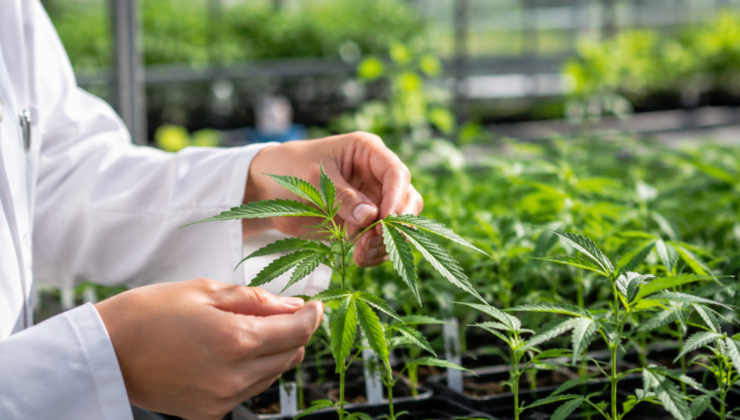
Cannabis genetics have moved from naturally adapted populations to engineered hybrids. Plants were shaped by climate and local farming. Modern cultivars are selected through hybridization, testing, and pheno-hunting for potency, aroma, flowering speed, yield, stability, trichome density, and cannabinoid ratios. Indoor cultivation, sinsemilla, seed banks, legalization, and genomic science accelerated this transformation, turning cannabis into a crop whose agricultural and chemical traits can be refined precisely. What Cannabis Genetics Means
Cannabis genetics is the inherited information that influences plant growth and chemical production. It affects height, branching, flowering time, yield, stress resistance, cannabinoid content, terpene profile, flower structure, and consistency.
The labels Indica and Sativa remain common, but most modern hybrids contain mixed ancestry. Verified lineage, growth characteristics, chemotype, and laboratory results are more useful than a broad category. A stable line reproduces its defining traits consistently, while an unstable line may generate many phenotypes. Pheno-hunting uses this variation to identify exceptional plants for cloning or further breeding.
Before widespread hybridization, cannabis existed mainly as regional landrace strains. Thai genetics adapted to equatorial conditions and long seasons. Acapulco Gold became associated with Mexico’s warm climate. Afghani populations developed in harsher Central Asian environments and were often compact, resinous, and fast flowering.
Tropical plants commonly grew tall and flowered slowly, while mountain or desert populations tended to finish earlier. THC levels were often around 3–5%, with CBD and minor cannabinoids present in more noticeable proportions than in many modern THC-dominant lines.
Landraces carried useful traits related to climate tolerance, disease resistance, and chemical diversity, although they were often less uniform outside their native environment.
Early Hybridization in the 1970s and 1980s
The 1970s and 1980s introduced systematic crosses between distant populations. Breeders combined Indica-associated genetics from Afghanistan and nearby regions with Sativa-associated genetics from tropical areas.
Hybridization shortened flowering, controlled height, improved yield, increased resin, and made plants more suitable for indoor or greenhouse cultivation. Tropical plants contributed complex aromas, while compact Indica genetics improved structure and speed.
Skunk #1 became a defining, vigorous hybrid. Haze preserved a more Sativa-influenced direction, with long flowering and aromatic complexity. Both became foundational breeding material.
How Sinsemilla Changed Resin, Potency, and Terpenes
Sinsemilla means seedless cannabis flower. By preventing pollination, growers kept female plants focused on flower and resin production rather than seed development.
The method did not alter DNA directly, but it changed selection priorities. Resin-rich flowers became easier to evaluate, trichome density gained value, and terpene expression became more visible. Breeders favored stronger aroma, heavier resin coverage, and better flower structure.
Seedless flowers were easier to process and generally more potent by weight, showing how cultivation could reveal inherited potential.
The Commercial and Medical Boom of the 1990s and 2000s
During the 1990s and 2000s, breeding became more organized and international. Indoor cultivation expanded, hydroponics improved environmental control, and seed banks distributed genetics across borders. Breeders could compare plants under repeatable conditions and stabilize desired traits.
Northern Lights became known for compact growth and indoor suitability. White Widow gained fame for heavy trichome coverage, while OG Kush introduced a lineage that shaped much of the later North American market.
THC levels commonly rose toward 10–15%, although results varied by phenotype and testing method. Aroma became a major objective, with citrus, pine, spice, earth, skunk, and fuel notes treated as defining traits.
The Rise of Indoor Cultivation, Hydroponics, and Seed Banks
Indoor systems gave breeders control over light, temperature, humidity, nutrition, and flowering schedules. Hydroponics reduced environmental variability and made phenotype comparisons more meaningful.
Seed banks preserved important lines, documented parentage, and widened access for collectors and licensed growers. Specialist retailers such as Ganjafarmer.com reflect this culture by helping adult customers compare breeders, lineages, flowering traits, and cultivar categories, subject to local law.
The era also exposed unreliable strain naming. Unrelated genetics could be sold under the same name, making provenance and breeder reputation increasingly important.
Modern Hybrid Genetics in the Legal Era
Since the 2010s, legalization has pushed breeding toward analytical science. Regulated markets introduced routine testing for THC, CBD, contaminants, and terpenes. Breeders increasingly use tissue culture, chemical analysis, large phenotype populations, and genomic tools.
Modern cultivars are often poly-hybrids, with several hybridized lines in their ancestry. Girl Scout Cookies, Gelato, and Runtz combine potency, dense flowers, heavy trichome production, and dessert, candy, fruit, cream, or gas aromas.
During pheno-hunting, large populations are assessed for vigor, flowering time, yield, resin, aroma, cannabinoid profile, appearance, and post-harvest quality. An outstanding phenotype may be cloned, stabilized, or used as a parent.
THC Potency – From 3–5% to 25–30%
Many historic landraces produced around 3–5% THC. By the commercial boom, flower often reached 10–15%. Premium modern flower may test at 25–30% under optimized conditions.
These figures require context. Laboratory methods differ, results vary within one plant, and high THC does not automatically mean superior quality. Lower-THC cultivars with rich terpenes and balanced minor cannabinoids may offer greater chemical complexity.
Even so, repeated selection for resin-rich trichomes has clearly shifted commercial cannabis toward higher THC concentrations.
Terpenes, Bag Appeal, and Trichome Density
Modern breeding targets appearance and aroma almost as strongly as potency. Dense flowers, unusual colors, visible trichomes, and intense fragrance influence commercial value.
Myrcene, limonene, pinene, caryophyllene, linalool, and terpinolene contribute to aroma. Breeders select fruit, candy, cream, citrus, floral, earthy, skunk, and fuel profiles to distinguish cultivars.
“Bag appeal” is partly genetic: purple coloration, compact calyx structure, resin coverage, and vivid pistils are selected alongside THC. The challenge is not sacrificing yield, resilience, or chemical diversity for appearance.
Minor Cannabinoids – CBD, CBG, THCV, and Custom Ratios
Cannabis genetics are moving beyond THC dominance. CBD-rich cultivars have shown that breeders can target cannabinoid ratios, while newer programs increasingly focus on CBG, THCV, and other minor cannabinoids.
Breeders must confirm that the desired chemotype appears consistently across plants and environments. The target may be a defined THC-to-CBD ratio, elevated CBG, measurable THCV, or a broader full-spectrum profile.
This is relevant to medical research and regulated therapeutic products, where the key question is becoming which chemical profile best fits the intended use.
Genomics, Biotechnology, and the Future of Cannabis Breeding
Genomic mapping is making selection more precise. DNA markers may help identify sex, parentage, disease resistance, chemotype, and growth traits before maturity. Biotechnology can support tissue culture, pathogen-free stock, stabilization, and preservation of rare genetics.
Future breeders may isolate cannabinoid pathways more accurately, creating cultivars with tailored combinations of THC, CBD, CBG, THCV, terpenes, and other compounds. Therapeutic cannabis could become more consistent and formulation-driven.
Commercial hybrids may also dilute original landrace strains. Preserving regional genetics is essential because they may contain adaptation, resistance, and chemical traits needed for future breeding.
Key Takeaways
Cannabis genetics evolved from landrace strains into highly selected modern hybrids. Thai, Acapulco Gold, and Afghani contributed regional traits later combined through hybridization. Sinsemilla emphasized resin and terpenes, while indoor cultivation, hydroponics, and seed banks accelerated stabilization and distribution.
Today, pheno-hunting, chemical testing, genomic science, and biotechnology help breeders select for THC, terpene expression, trichome density, CBD ratios, CBG, THCV, and other specialized traits.
The future will be defined less by maximum potency alone and more by precision: stable plants, tailored cannabinoid profiles, strong agricultural performance, and preserved genetic diversity. Modern breeding is increasingly scientific, but it still depends on the landrace genetics that created its foundation.