Weight Loss Tips Backed by Science
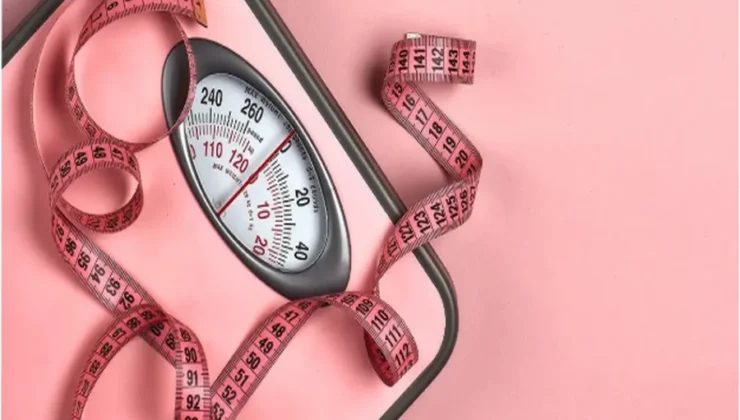
Losing pounds can feel confusing when advice changes every week. One plan cuts carbs, while another bans fat almost completely. Science points toward steadier habits that protect health and fit real life.
While it’s important to make small food choices, it’s equally important to pay attention to other lifestyle factors such as movement, sleep, and support.
A winning approach is usually to set clear objectives, eat a balanced diet, add strength training, and write down what you eat and what you do. With these steps, it becomes easier to make everyday decisions that feel realistic and reach long-term Weight Loss.
9 Scientific Tips to Follow for Weight Loss
The following are nine practical, science-backed tips for steady and healthier results.
Set Realistic Weight Loss Goals
Begin with a goal that is within your body and time capacity. There is a healthy number of adults who set goals of losing 1 or 2 pounds per week. Divide one big goal into smaller individual goals, such as monthly or weekly health objectives.
If you’re starting out, start with a mere 5% loss of initial weight, for instance. This early change may support blood pressure, blood sugar, and energy.
Track daily habits too, including walks, home cooking, and water choices. Realistic goals lower pressure and help healthier routines become much more natural.
Avoid Foods That Contain Trans Fats
Trans fats increase unhealthy cholesterol and can lead to increased heart risk over time. They can also be found in certain shortenings, pastries, frostings and fried foods. Be careful when putting packaged food into your cart, and read the food label for nutrition information.
Check for “trans fat” on the label. If there is no amount shown per serving, it means there is no trans fat. Do check however, the ingredient list for any partially hydrogenated oils before purchasing.
In addition, it would be better to opt for foods like olive oil, avocado, nuts, seeds or natural peanut butter. While eating out, check what type of oil is being used for frying. Even little adjustments can make your dishes low-fat without reducing their appeal.
Eat a High-Protein Diet
Protein helps keep you full and supports muscle mass despite low caloric intake. Include protein sources in each meal and between-meal snacks. Eggs, chicken, fish, beans, tofu and plain yoghurt would be good options. Protein at breakfast will make you eat less throughout the day.
Protein requirements may increase during times of rapid change or when an individual strength trains. Don’t save protein for dinner.
Eat vegetables, fruit and high fiber whole grains with protein at meals. Although portions are not as significant, guidelines for your daily diet will be provided to you by your dietitian.
Limit Sugary Foods and Beverages
Sugary drinks have a lot of calories. Sweets and fizzy drinks also count towards your allowance and can add up quickly.
Try replacing one of your drinks with water or unsweetened tea every day. If you want something after lunch or dinner choose whole fruit instead. Fruit is full of fiber, water, color and sweetness.
Perform Resistance Training Regularly
Resistance training will not destroy your muscles while you are safely losing fat in your body. Muscle also contributes to your strength, balance, movement and ageing over time. Start with 2 weekly sessions of all the major muscle groups.
Squats, rows, presses, hinges and carries can provide a solid foundation. Do bands, dumbbells and/or body weight exercises at home first. Incorporate weight or reps gradually as each set gradually becomes easier.
But good form is more important than going for big loads prematurely. Take breaks between workouts and ask for advice from a professional regarding any repetitive injuries.
Increase NEAT (Non-Exercise Activity Thermogenesis) at Home
NEAT stands for the calories you burn doing activities that aren’t exercise. This includes standing, cleaning, cooking, gardening and walking around the house. You can add movement to your busy day with small actions.
Pace while taking telephone calls as opposed to sitting on the couch. Take laundry up in smaller amounts and take extra, intentional trips. Also, sweep floors, wash dishes or stretch during mini TV breaks.
Place useful things out of easy reach, making the natural posture the dominant one. NEAT is for workouts; select simple repeatable activities that are challenging but still achievable on a daily basis.
Include Fatty Fish and Probiotic Foods in Your Diet
Salmon, sardines, trout, and mackerel are some examples of omega-3 fatty acid and protein sources. You should have them at least twice a week. Probiotic foods might be another useful tool for keeping your body balanced.
There are various beneficial microorganisms in yogurt, kefir, kimchi, and sauerkraut. Whenever possible, try to choose products that have low sugar and sodium content.
These foods won’t magically burn fat. It replaces the need to watch your calorie intake. Include them in meals and talk to your doctor about making healthy changes to your diet.
Prioritize 7–9 Hours of Quality Sleep
Sleep affects how hungry you feel, what you crave, your energy levels, your mood and how well you do in your workouts. Most adults need 7-9 hours of sleep per night. Try to go to bed and wake up at the same time every day even on weekends.
Put away your phone, and turn off the lights before bed every night. Make sure your bedroom is cool, dark, quiet and comfy, at night. Avoid eating heavy meals, drinking too much alcohol, or having too much caffeine on most nights.
Monitor Your Progress Through Regular Weight Loss Clinic Follow-Ups
Regular clinic follow-ups turn scattered efforts into a clear health plan. The care team checks on weight, waist measurement, labs, and symptoms you may have. They can make safe changes to medication, workout and/or calorie targets.
Follow-ups show plateaus due to stress, hormones, daily habits or sleep. Take a record of meals, movement, hunger and side effects. Don’t use a weigh-in to determine progress as there are daily fluctuations.
You can gain and lose weight at a rapid pace due to water, sodium, digestion, and menstruation. Visits allow your clinician to make practical and personal changes safely and consistently.
Conclusion
Science-backed weight loss is really good when you keep your habits simple. You should eat meals and move your body often. Getting some sleep is also very important. Making changes consistently can help keep you healthy and get you the results you want.