How Residential Electricians Solve Flickering Lights, Tripped Breakers & More
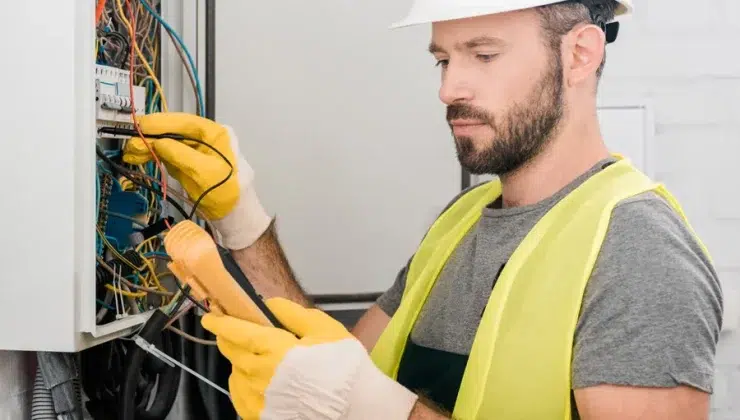
Home electrical systems are the heartbeat of daily life, powering everything from lighting and appliances to security and comfort systems. Yet, issues such as flickering lights, tripped breakers, or faulty outlets can disrupt that sense of normalcy, often pointing to deeper problems in the home’s electrical network. These issues can arise from age, poor wiring, or power surges, and while they may seem minor at first, they can signal potential safety risks if left unaddressed. We will explore how residential electricians identify, troubleshoot, and resolve common electrical problems, ensuring homes remain functional, safe, and energy-efficient for years to come.
Understanding How Residential Electricians Tackle Common Electrical Issues
-
Addressing Flickering Lights with Precision and Safety
Flickering lights are more than just an annoyance—they can be a symptom of loose connections, voltage fluctuations, or aging wiring within the home. Residential electricians approach this issue by first identifying whether the flicker is isolated to one fixture or affecting multiple circuits. If it’s localized, they inspect the light socket, switch, or bulb to rule out minor issues.
However, if the flickering affects several areas, a residential electrician in Philadelphia PA uses diagnostic tools to test the circuit’s voltage and continuity, tracing potential wiring faults or overloads. They also check the main electrical panel for signs of corrosion or loose terminals. In some cases, they may recommend upgrading the home’s electrical panel to handle modern power demands, especially in older properties. Beyond repairs, electricians often advise homeowners on using high-quality LED fixtures and surge protectors to maintain steady current flow, reducing the risk of future flickering.
-
Resolving Tripped Breakers and Preventing Future Interruptions
When a circuit breaker trips repeatedly, it’s a sign that something in the home’s electrical system is overloading or experiencing a short circuit. Residential electricians begin by identifying the specific circuit causing the breaker to trip. They evaluate connected devices, checking for the overuse of high-power appliances, such as space heaters, microwaves, or hair dryers, on the same circuit. If no immediate overload is found, they inspect for damaged wiring or faulty outlets that could be causing electrical shorts.
In newer homes, electricians may also assess the ground fault circuit interrupter (GFCI) outlets to ensure they are functioning correctly. Sometimes, frequent tripping stems from an outdated electrical panel that can’t handle current household needs. In such cases, electricians may suggest upgrading to a modern circuit breaker system that distributes load more efficiently and safely. Through these thorough inspections and targeted repairs, electricians help prevent interruptions and reduce the chances of electrical fires caused by overloaded circuits.
-
Repairing Faulty Outlets and Restoring Reliable Power Flow
Outlets that fail to deliver consistent power or feel warm to the touch can indicate wiring issues, internal wear, or loose connections. Residential electricians start by shutting off power to the affected area before safely removing and inspecting the outlet. They look for signs of arcing, which occurs when electrical current jumps between loose connections, potentially leading to burns or electrical fires. If the wiring is outdated or brittle, electricians replace it with modern, insulated conductors to improve safety and performance.
Additionally, they may test the voltage output to confirm it matches safe operating levels. In homes with recurring outlet failures, electricians often discover hidden issues such as daisy-chained circuits, where multiple outlets share a single connection, increasing the risk of overload. To fix this, they can rewire outlets into separate circuits to distribute power more evenly. This approach ensures reliable performance while extending the life of household devices and appliances.
-
Diagnosing and Fixing Electrical Surges and Voltage Spikes
Electrical surges, often caused by lightning strikes, faulty appliances, or grid fluctuations, can damage home electronics and sensitive equipment. Residential electricians tackle this problem by assessing both internal and external sources of surges. They begin by examining major appliances and HVAC systems that draw significant power, as malfunctioning motors or compressors can create internal spikes. Then, they inspect the electrical panel to ensure grounding and bonding systems are intact, as improper grounding can amplify the effects of surges.
To safeguard the entire home, electricians often install whole-house surge protectors at the panel level, which absorb excess voltage before it reaches circuits. They may also recommend installing point-of-use surge protectors for sensitive devices, such as computers or televisions. By integrating these protections, electricians create a layered defense that minimizes damage during unexpected voltage events, ensuring long-term stability and peace of mind for homeowners.
-
Upgrading Outdated Wiring and Panels for Modern Needs
Many older homes still rely on outdated aluminum or knob-and-tube wiring, which is incompatible with modern electrical loads. Residential electricians assess the current wiring to determine whether it meets safety standards and code requirements. If the wiring is insufficient, they plan a complete or partial rewiring project to replace it with copper conductors, which are more durable and efficient. Electricians also evaluate the home’s main panel to see if it can handle today’s appliances, smart devices, and increased power usage.
For homes with panels under 100 amps, an upgrade to 200 amps or more may be necessary to support newer technologies. During the upgrade process, electricians often add circuit breakers with arc-fault and ground-fault protection, providing an additional layer of safety. This not only reduces electrical hazards but also enhances home value and functionality, making the property better equipped to meet future energy demands.
Electrical issues such as flickering lights, tripped breakers, and faulty outlets can be warning signs of larger problems that require professional attention. Residential electricians play a crucial role in diagnosing these issues, performing precise repairs, and ensuring that homes remain safe and functional. Through their careful inspections, circuit testing, and system upgrades, they prevent hazards and optimize the home’s electrical performance for the future. In a world increasingly dependent on technology, the skill and dedication of residential electricians keep homes illuminated, secure, and reliable every day.