The Rise of Visual Organization Charts in Modern Workplaces
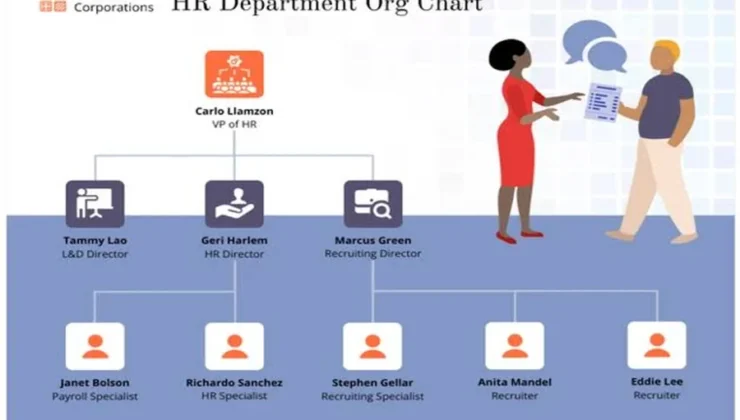
In today’s fast-paced business environment, companies are reimagining organizational design to keep up with changing technology and evolving workforce needs. The static, traditional organizational chart is quickly becoming outdated as forward-thinking businesses adopt visual organization charts to foster transparency, improve team collaboration, and increase adaptability. For organizations seeking a competitive edge, these visual tools deliver value far beyond hierarchy mapping. Discover how your team can leverage organizational chart templates to support seamless growth and agile team structures.
By transforming how information is presented and shared, visual organization charts offer clarity on roles and team connections. Employees can quickly locate expertise, understand reporting lines, and collaborate effectively regardless of department boundaries. This shift is more than cosmetic; it is revolutionizing how organizations function in a knowledge-based economy.
Companies that leverage advanced visualization tools find that updating team structures becomes effortless. With modern charting tools, changes in staff or strategic direction are reflected in real time, allowing leaders and employees to respond to evolving business priorities with confidence. As a result, visual organization charts help eliminate confusion, drive engagement, and foster a culture of openness within the workplace.
When implemented thoughtfully, these charts also set the stage for enhanced onboarding, streamlined decision-making, and improved employee satisfaction. This evolution is both a technological and cultural shift, repositioning companies to thrive in today’s interconnected world.
Evolution of Organization Charts
For decades, the organizational chart was limited to a document hung on an office wall or buried in an HR binder. These charts were rigid, rarely updated, and failed to reflect the nuanced nature of collaboration. As the needs of modern organizations have become more complex, businesses realized this static depiction could not adequately represent flexible teams, cross-functional projects, or the new reality of hybrid and remote workforces.
Innovations in visualization technology have led to interactive, digital organization charts. These tools are no longer just maps of authority; they are living documents that scale, pivot, and adapt in tandem with business changes. Today’s charts visualize dotted-line reports, agile task forces, and even informal mentorship connections. This makes the flow of information and the distribution of responsibility transparent and accessible to everyone in the organization.
Benefits of Visual Organization Charts
- Enhanced Clarity: Visual charts quickly reveal the spectrum of roles and reporting lines. This transparency reduces workplace ambiguity and accelerates communication across all levels.
- Improved Collaboration: By displaying connections between departments and individuals, employees are encouraged to reach out beyond their immediate teams for expertise and partnership.
- Flexibility: Because these charts are digital and editable, they remain accurate during growth spurts, reorganizations, or personnel changes, ensuring everyone always has a current snapshot of the organization.
- Employee Engagement: When employees understand where they fit within the organization and who they can connect with, career development and interdepartmental support become more accessible and effective.
A clear and transparent organizational culture empowers employees and contributes to overall business health.
Implementing Visual Organization Charts
- Assess Current Structures: Start by evaluating the current organization. Identify misalignments between how work gets done and how the structure is visually represented.
- Select Appropriate Tools: Choose intuitive, cloud-based software that supports customization, integration, and easy updates. Look for drag-and-drop functionality to encourage frequent updates.
- Engage Stakeholders: Gather input from different levels of the team. This ensures the chart reflects real relationships and reporting pathways rather than just theoretical frameworks.
- Regular Updates: Incorporate organization chart reviews into regular business processes. Schedule quarterly or semiannual updates so the chart reflects the company’s current state and future vision.
Strong implementation processes, paired with a focus on accessibility, ensure that everyone in the organization benefits from the visual chart’s power.
Real-World Examples
Forward-thinking companies are already experiencing the benefits of dynamic visual organization charts. Microsoft, for example, is using artificial intelligence to not only automate chart updates but also to turn AI agents into functional collaborators on par with human coworkers. As reported in a CIO article, these new approaches enable more adaptive and innovative organizational structures.
Other early adopters come from industries as diverse as healthcare, technology, and consulting, all of which have seen measurable improvements in employee engagement and process efficiency after implementing interactive charts at scale.
Future Trends
The trajectory for visual organization charts points toward deeper real-time integration with communication platforms, project management tools, and HR systems. As AI becomes embedded in business operations, organization charts may soon offer predictive analytics, alerting companies to gaps, overlaps, or risks in team design. Real-time dashboards that integrate personnel data with project status or workflow efficiency are on the horizon, making the organizational chart a central hub for organizational intelligence.
The future organization chart will enable on-demand scenario planning, seamless hybrid team management, and a holistic view of skills and capacity across the enterprise.
Conclusion
Visual organization charts have evolved from back-office bureaucracy into engines of organizational clarity, adaptability, and engagement. By adopting dynamic, accessible charts, companies can manage the complexities of modern work structures and thrive in the digital age. Employees benefit from transparency and better communication, leaders gain real-time insights, and the whole organization moves forward with agility in a rapidly changing business environment.