A Culinary Vacation Isn’t Just a Trip with Good Food — It’s a Chance to Learn How a Culture Actually Eats
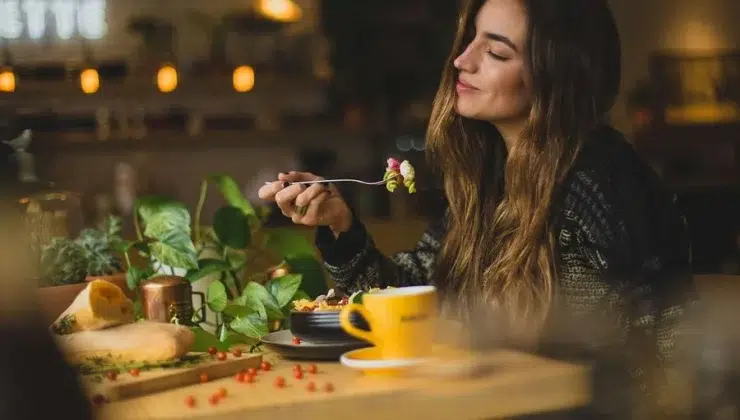
Most people who love food travel have had the experience of eating exceptionally well somewhere and still feeling like they barely scratched the surface. The restaurant was wonderful, the market was fascinating, the meal at someone’s home was unlike anything back home — and then the trip ended, and you left without knowing how any of it was made, where the best ingredients came from, or what you’d actually need to reproduce even a fraction of what you tasted. A culinary vacation, structured properly, closes that gap.
The difference between a trip where you eat well and a trip where you come home a meaningfully better cook with a deeper understanding of a culinary tradition is mostly in the structure — whether there are hands-on cooking experiences, whether those experiences are taught by people who have real command of the tradition, and whether the program is built around the kind of immersion that produces learning rather than entertainment.
Choosing the right culinary vacation is a matching exercise between your cooking interests, your travel style, what you want to take home from the experience, and the specifics of what different destinations and programs actually offer.
The First Question: What Kind of Learning Are You After?
Different people go on culinary vacations for genuinely different reasons, and being clear about your own before comparing options makes the choice much simpler.
Some travelers want depth in a specific tradition — French cuisine, Italian regional cooking, Mexican mole, Japanese fermentation. Their goal is to develop real competence in a defined area, to understand the underlying techniques well enough to apply them at home with confidence. For this person, a program built around structured hands-on instruction with experienced chefs is the core requirement. The destination is partly instrumental — they want to go to the place where the tradition lives.
Others are motivated more by experience and discovery than by technical skill development. They want to visit local markets with a guide who knows which vendors to talk to and why, to cook a meal in a historic villa kitchen, to understand the story of an ingredient through where it’s grown and how it’s prepared. For this person, the curation of the experience — who they’re with, what they see, how the days are organized — matters as much as the instruction itself.
A third group is primarily travel-motivated, with a serious interest in food as a lens for understanding place and culture. They want to eat and learn, but they’re equally interested in the history, the landscape, the people, and the way food connects to everything else about a region. For them, the best programs integrate culinary experiences with broader cultural and historical engagement.
Understanding which of these most closely describes you shapes which destinations and program formats will serve you best.
France: The Standard Against Which Culinary Travel Is Measured
France has served as the reference point for structured culinary education for so long that it’s almost a cliché — and the cliché persists because it reflects reality. French culinary technique is the foundation of most professional Western cooking training, and learning it in context — in the country where the traditions were developed, with access to the ingredients and producers who supply those traditions — provides a grounding that classroom instruction elsewhere can approximate but not fully replicate.
The diversity within French culinary traditions is worth understanding before choosing a specific location. Provençal cooking is built around olive oil, herbs, tomatoes, and the Mediterranean product palette. Burgundy is the heartland of classic French sauce and braising traditions, and one of the world’s most important wine regions. The Loire Valley’s lighter, produce-forward cuisine reflects a different climate and ingredient tradition. Normandy and Brittany are dairy and seafood countries, with preparations that differ substantially from the south.
Culinary vacations france programs at their best place participants inside these traditions with working cooks and chefs who represent the regional approach, not a globalized French cooking curriculum. The program’s depth reflects the instructors’ relationship to the local tradition — which is why it matters whether the program has been operating in the same region for years and has genuine relationships with local producers and practitioners.
The practical question for France-focused programs is whether the level of instruction matches your starting point. Beginners benefit from structured foundational programs. More experienced home cooks often get more from programs that assume some baseline competence and focus on specific techniques, regional specialties, or professional skills that they couldn’t easily develop on their own.
Costa Rica: A Different Dimension of Culinary Travel
Costa Rica occupies a different position in the culinary travel landscape — less about a codified culinary tradition and more about the extraordinary raw material of a biodiverse, ingredient-rich environment and the cooking that emerges from it.
The country’s agricultural diversity is genuinely remarkable. Altitude variations across the country create micro-climates that support cacao, tropical fruits, coffee, hearts of palm, and a range of vegetables and herbs that don’t exist together anywhere else at this density. A culinary program in Costa Rica that takes this geography seriously — visiting farms and producers, understanding how climate and soil affect flavor, cooking with ingredients in the context of where they grow — offers an education in ingredient provenance and farm-to-table relationships that European culinary programs rarely provide.
The cuisine itself draws on indigenous traditions, Spanish colonial influence, and the practical cooking culture of a country where feeding people well from available local ingredients has always been the priority. Rice and beans appear in forms that range from humble to complex. Ceviche reflects a Pacific coast seafood tradition distinct from what you’d find in Peru. Plantains, yuca, and chayote appear in preparations that are deeply regional and underrepresented in most cookbooks accessible in North America.
A costa rica food tour structured around market visits, farm experiences, and hands-on cooking with local cooks offers something distinct from European culinary travel: the experience of a living food culture that hasn’t been formalized or professionalized in the way that French or Italian cooking has, and that rewards curiosity as much as technique.
The Program Quality Variables That Matter More Than Destination
For any culinary travel program, destination is one of several quality variables, and not always the most important one. A well-designed program in a less obvious location will produce a better experience than a poorly organized one in a premier destination.
Instructor quality is the primary variable. Who is teaching, what is their actual background in the tradition they’re teaching, and how many years have they been doing this? A professional chef with decades of connection to a regional cuisine brings something fundamentally different from a presenter who runs culinary tours as a hospitality service without deep culinary expertise. The instructors’ names and backgrounds should be available before booking.
Group size affects the learning quality considerably. Small groups — typically eight to fourteen people — allow for the kind of hands-on instruction where participants are actually cooking, not watching a demonstration. Larger groups produce a performance dynamic where most participants are spectators most of the time. For programs where hands-on learning is the stated goal, the maximum group size is a meaningful specification to check.
The ratio of cooking to eating to touring in the program’s schedule reflects the organizer’s priorities. A program marketed as a culinary learning experience should have a significant fraction of its scheduled time in actual cooking sessions. Market visits, farm tours, and restaurant meals are valuable components, but they don’t substitute for time at the stove.
What good culinary vacations offer is a program design that integrates all of these components coherently — instruction that builds over several sessions rather than isolated demonstrations, market and farm experiences that directly connect to what’s being cooked, and a group dynamic that makes the learning social and enjoyable rather than purely pedagogical.
What to Bring Back Beyond Recipes
The tangible takeaways from a good culinary program — recipes, technique notes, ingredient names to look for at home — are valuable, but the more lasting outcome is the shift in how you cook.
Time spent cooking in a different culinary tradition recalibrates your instincts. You return with a different sense of what seasoning balance should feel like, what properly reduced sauce looks like at the moment it’s right, what fresh herbs do at different stages of cooking, how different fats and acids interact. These aren’t things that can be fully communicated through written recipes; they’re learned through repetition with someone who can tell you in the moment what’s right.
The confidence that comes from having cooked in a demanding or unfamiliar context also transfers. A cook who has broken down a whole animal in a Provençal butcher’s kitchen or learned to make masa from a Mexican grandmother has had an experience that changes what they believe they’re capable of. That change persists.
Choosing the program carefully — matching the destination to your culinary interests, confirming the instructor credentials, understanding what the cooking ratio in the schedule actually is — is what determines whether the trip produces those lasting outcomes or remains a pleasant travel memory with some photos and a few recipes.