The Ultimate Guide to Modern Metal Detecting: Tips, Tools, and Techniques for Success
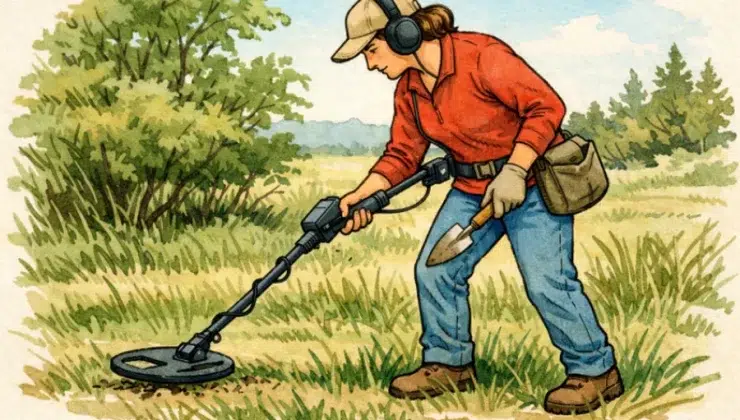
Embarking on the journey of metal detecting opens up a world of adventure, history, and the thrill of discovery. For newcomers, getting started with the right tools is essential, and brands like Minelab metal detectors are a solid choice for their intuitive features and proven effectiveness. Whether you are motivated by the idea of unearthing historical treasures, collecting coins, or simply enjoying the outdoors, modern metal detecting offers both challenge and reward.
As you learn the ins and outs of this hobby, you will discover an active community, evolving technology, and diverse environments to explore. Choosing the right gear, understanding terminology, and practicing ethical detection will ensure you make the most of every search session and help you progress from beginner to enthusiast.
Choosing the Right Metal Detector
Picking the right detector can make the difference between frustration and success. Beginners should look for detectors that balance ease of use, adjustability, and capability. For example, models such as the Garrett ACE 300 are popular with new users due to their straightforward controls and reliable detection. At the same time, more advanced hobbyists might favor multi-frequency detectors for their ability to perform well in diverse environments, such as beaches or highly mineralized soil.
Consider your primary hunting grounds and what you hope to find, as some detectors excel at jewelry and coins, while others are optimized for relics or gold.
Essential Accessories for Successful Detecting
Outfitting yourself with quality accessories can greatly increase productivity in the field. The following items are considered indispensable for most detectorists:
- Pinpointer: Pinpointers zero in on targets within a dug hole, saving time and effort.
- Digging Tools: A strong trowel or digging spade allows you to extract finds without damaging them.
- Headphones: They help you pick up faint audio signals and block out wind or background noise.
- Finds Pouch: These pouches keep your finds and any trash neatly organized during your hunt.
Choosing durable, purpose-built versions of these tools ensures you are well-prepared for any adventure.
Understanding Metal Detecting Terminology
Familiarity with basic terms helps you interpret your detector’s signals more accurately and operate it effectively. Some of the most important terms include:
- Discrimination: This is the detector’s ability to ignore unwanted metals, like iron and pull tabs, and focus on valuable targets.
- Ground Balance: Adjusting for soil mineralization eliminates false signals, enabling deeper, more accurate detection.
- Target ID: Most detectors display a number or indicator indicating the likely type of metal below the surface.
The more you understand these terms, the faster you will learn how to distinguish between junk and potential treasures in the ground.
Best Practices for Beginners
Adopting smart habits early makes your metal detecting journey more enjoyable and successful. Start by researching potential sites using old maps, local archives, or online resources to identify areas with historical significance or high foot traffic. Learning your detector’s unique settings and taking the time to practice increases your effectiveness in identifying true targets and reducing wasted effort. Above all, patience is key, as worthwhile finds can take time and perseverance.
Legal and Ethical Considerations
Metal detecting is only rewarding if done responsibly. Always get explicit permission before searching private property, and familiarize yourself with local laws regulating public land. Some parks, beaches, and landmarks require permits or prohibit detecting altogether. Furthermore, ethical detectorists fill their holes, pack out trash, and respect wildlife as well as the historical significance of artifacts.
Following these principles secures access for future detectorists and maintains a positive reputation for the hobby.
Advanced Techniques and Tips
Once you have covered the basics, advancing your skills means adopting new strategies. Multi-frequency detectors can boost your results by scanning for a broader range of targets under different ground conditions. Many seasoned detectorists use GPS to log find spots and maximize search efficiency. Engaging in online forums or local groups also provides opportunities to learn from more experienced members, gaining access to tips, shared finds, and event invites.
Maintaining Your Equipment
To ensure your equipment functions at its best, develop a regular maintenance routine. Clean your metal detector and accessories after each session, paying special attention to removing dirt and moisture from sensitive parts. Always check batteries and replace or recharge as necessary to avoid being caught short in the field. Regularly inspect your detector and tools for any signs of wear to prevent malfunctions or damage during use.
Joining the Metal Detecting Community
Participation in the wider metal-detecting community can significantly boost your enjoyment and knowledge. Local clubs often host group searches, competitions, and events for all experience levels. Online forums and social media groups are active 24/7 and provide guidance, encouragement, and a place to share your discoveries. Workshops, seminars, and meetups offer hands-on learning and foster lasting friendships with people who share your enthusiasm.
Modern metal detecting is a rewarding pursuit that combines outdoor adventure with the thrill of discovery. Start with the right tools, adopt ethical practices, and immerse yourself in the detecting community for the best experience. As you progress, you will not only find hidden treasures but will also develop a new appreciation for history and local heritage.