Social Media Is Ugly Not You
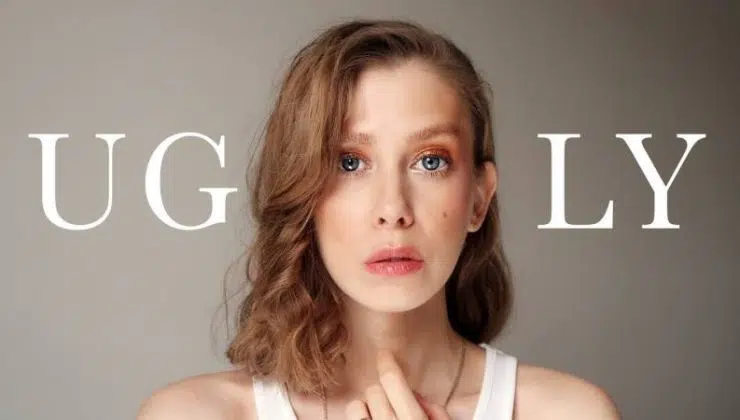
In today’s world, social media has become an integral part of daily life. From Facebook to Instagram, Snapchat, and TikTok, platforms designed to connect people and showcase the best aspects of their lives have inadvertently become breeding grounds for unrealistic beauty standards, body image issues, and toxic comparisons. The pressure to look perfect, to keep up with the latest trends, and to gain likes and followers can be overwhelming. In this environment, it’s easy to start questioning one’s self-worth and appearance, leading to a dangerous cycle of self-criticism. But here’s an important reminder: social media is ugly, not you. The curated, edited, and filtered versions of reality that flood our feeds can leave us feeling inadequate, but they do not reflect the true beauty of who we are. Instead of asking how to not be ugly, we should focus on embracing the unique qualities that make us beautiful and challenge the standards set by these digital platforms.
The Distorted Reality of Social Media
Social media is designed to highlight the best moments of our lives—vacations, celebrations, accomplishments, and the most flattering angles of ourselves. However, this selective portrayal of life leads to a distorted version of reality. It’s important to recognize that what we see on social media is rarely the whole picture. Many photos and videos are heavily edited using filters, airbrushing tools, and even digital manipulation. These alterations create an unrealistic standard of beauty that most people can’t—and shouldn’t—strive to meet.
The pressure to live up to these flawless representations of beauty and happiness can be detrimental to our mental health. Research has shown that social media use is linked to increased rates of anxiety, depression, and body dissatisfaction, particularly among younger generations. We see influencers and celebrities showing off their “perfect” lives, but the truth is, no one is perfect. Even the most glamorous photos on Instagram often have filters and editing to make them look “better.” The reality behind these images often goes unnoticed, and we are left feeling like we’re not good enough in comparison.
This focus on curated perfection leads to the misconception that beauty is only about physical appearance. The constant comparison to others can make us forget that true beauty comes from within—it’s about kindness, confidence, and the way we treat others, not just how we look in a selfie. The key to overcoming the negative effects of social media is recognizing the difference between real life and the highly-edited content that populates our feeds.
How Social Media Affects Our Self-Image
Social media has a profound impact on our self-image and can shape the way we see ourselves. The constant exposure to unrealistic standards can lead to a phenomenon known as “social comparison,” where we evaluate our worth based on others’ lives. This can cause feelings of inadequacy, low self-esteem, and a distorted perception of our own appearance. Over time, we might start asking ourselves: how to not be ugly? This question is rooted in the idea that we must conform to the unrealistic beauty ideals we see online.
One of the biggest culprits in this is the promotion of filters. With a single swipe, we can alter our skin tone, smooth out imperfections, and give ourselves larger eyes or a smaller nose. While filters can be fun, they contribute to a culture that teaches us to dislike our natural selves. Many people begin to feel that their true, unfiltered selves are inadequate and need to be changed to fit into the mold of what’s seen as “beautiful” on social media.
It’s crucial to recognize that the beauty showcased on social media is often not real. Even if someone appears flawless in a photo, the image has likely been curated and edited. Social media does not capture the full range of human experience, including the flaws, quirks, and moments of vulnerability that make us truly human. The more we internalize these filtered versions of beauty, the further we distance ourselves from the authentic beauty that lies in our imperfections and uniqueness.
Breaking Free from Social Media’s Hold on Beauty
To reclaim our self-worth and break free from the toxic beauty standards promoted by social media, we must first recognize that social media is not a reflection of reality. People share only what they want the world to see, and this often means presenting an idealized version of their lives and bodies. Understanding this helps us detach our self-esteem from the content we consume online.
A good first step is to curate your feed to include accounts that promote self-love, diversity, and authenticity. Follow individuals who embrace their flaws and share real, unfiltered moments. Many influencers are now embracing “no-makeup” looks and promoting natural beauty, encouraging their followers to appreciate their bodies as they are. By surrounding yourself with people who celebrate authenticity, you can begin to shift your mindset and reduce the pressure to conform to unrealistic beauty standards.
Another way to combat the negative effects of social media is to practice mindful consumption. Instead of endlessly scrolling and comparing yourself to others, take breaks from social media to focus on the things that truly matter—your passions, hobbies, and real-world connections. Spend time with loved ones, pursue activities that make you feel good, and engage in self-care practices that nurture your mind and body. When you take control of your social media experience, it can help reduce its harmful effects on your self-image.
Self-Love and Confidence: The True Path to Beauty
Instead of focusing on the question how to not be ugly, we should focus on embracing self-love and cultivating confidence. True beauty comes from within, and it’s not defined by the number of likes on your photo or the size of your waistline. Confidence is magnetic, and when you embrace your authentic self, flaws and all, others will see that beauty too.
One way to nurture self-love is to practice gratitude for your body and all it does for you. Take moments to appreciate your health, your strength, and the unique features that make you, you. Whether it’s your laugh, your smile, your creativity, or your ability to connect with others, these are the qualities that define you as beautiful.
It’s also essential to challenge societal standards and push back against the idea that beauty is only about appearance. True beauty is in the way you treat others, the kindness you offer, and the strength you show in difficult times. Social media may highlight physical beauty, but the real, lasting beauty lies in the way we treat the world and ourselves.
Conclusion: Rejecting the Unrealistic Standards
In conclusion, social media is often guilty of promoting unrealistic beauty standards that can make us question our worth and appearance. The constant exposure to curated images and edited photos can lead us to ask how to not be ugly, but the truth is, we are not ugly. We are beautifully unique individuals, and our value is not determined by how we appear in a filter or how many likes our photo gets. Embracing self-love, challenging social media’s portrayal of beauty, and focusing on what truly matters in life can help us break free from the harmful effects of comparison. The next time you find yourself questioning your appearance, remember: social media is ugly, not you.