Mistakes People Make When Doing Kegels
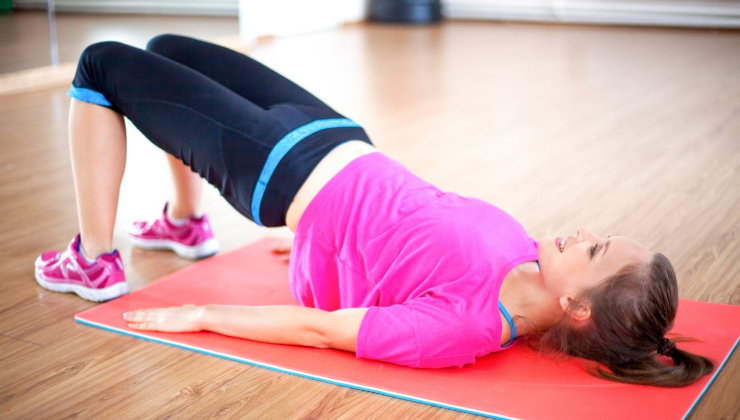
If you have searched for a way to make your pelvic floor stronger you must have heard about Kegels. You probably know how important they are, especially when you are pregnant after you have a baby or when you want to improve your health. There’s a chance you’ve already tried them or thought about it.
But here’s the thing: They only work if you do them correctly. Even small mistakes can make them less effective or cause discomfort. If things aren’t getting better as you expect one of these mistakes might be the reason. You don’t want your efforts to be useless!
Not Identifying the Right Muscles
With exercises like squats or bicep curls you can see your muscles working. But pelvic floor muscles are inside so it’s not easy to identify them. An easy way to do that is to mimic the movement you would do if you were trying to stop the flow of urine. Those are the muscles you should be using. If you are still unsure you can ask your doctor.
Working Wrong Muscle Groups
Another common mistake is tightening muscles instead of the pelvic floor. You might be clutching your butt holding tension in your stomach or squeezing your thighs while attempting a Kegel. Your pelvic floor contractions should be gentle. Your stomach, legs and butt should stay relaxed. If you notice movement in those areas it means you’re compensating and not fully engaging the muscles you are trying to exercise.
Holding Your Breath
When you exercise, breathing is important. Many people hold their breath when doing a contraction. Be careful! This can make the exercise less effective since it creates pressure in your stomach from working on the right muscles. Instead try natural breathing. An effective rhythm is to breathe in while you relax the muscles and breathe out while you gently lift and contract the floor.
Doing Many Too Soon
We often think that more is better, especially with exercise. Overdoing Kegels can lead to muscle fatigue or tightness which may cause discomfort, pain or even worsen certain symptoms, such as leaking. Start with a number of repetitions—such as 8 to 10 contractions—and you can increase them over time. Remember: Consistency is more important than intensity!
Skipping Relaxation
Kegels aren’t about tightening. Fully relaxing the floor between contractions is just as important as the contraction itself. If you don’t relax the muscles properly they can lead to tension and eventually have some issues like pelvic pain or difficulty with bladder and bowel function. Think of it as a movement cycle: a subtle lift, hold and then fully relax.
Expecting Instant Results
Pelvic floor strengthening takes time. Unlike some exercises where you can see or feel changes quickly, Kegels require patience and consistency. It can take weeks—or even months—to notice improvements on your body. Sticking to a routine is key.
Not Adapting to Your Body’s Needs
Every body is different. There are factors like pregnancy, childbirth, hormonal changes and aging that can affect how pelvic floor muscles function. For some people the pelvic floor can be overly tight than weak. Listen to your body—. Seek professional guidance when needed—: It can help you find the strategy that works best for you to practice pelvic muscle fitness exercises.
Forgetting About Posture and Alignment
Your posture is an influence on how effectively you perform Kegels. Sitting hunched over. A compressed sitting position may limit your ability to fully engage the pelvic floor. Always try practicing Kegels while sitting straight or standing tall and focus on having your spine in a position.
Only Doing Kegels in Isolation
While Kegels are really good they’re one piece of the puzzle. The body is a system and the pelvic floor works with the core, diaphragm and other stabilizing muscles. Incorporating movements that engage the core—for example practicing some gentle yoga, pilates or functional strength exercises— allows you to work on your stability and balance in a more integrated way.
Not Checking In with a Professional
If you’ve been doing Kegels consistently and still aren’t seeing results or if you notice some discomfort it might be time to consult a specialist. They can evaluate your muscle function, identify any imbalances and provide guidance. This is especially important if you’re experiencing pain, heaviness or persistent leakage.
Wrapping Up
Kegels can be a tool for supporting pelvic health but technique plays a big role. By avoiding these mistakes and approaching your routine with awareness and consistency you can make your efforts far more effective. Your body isn’t something to rush or force—it’s something to understand and support! With this approach even small mindful exercises, like Kegels can lead to meaningful long-term benefits.