What is Izervay and How It Helps Slow Vision Loss
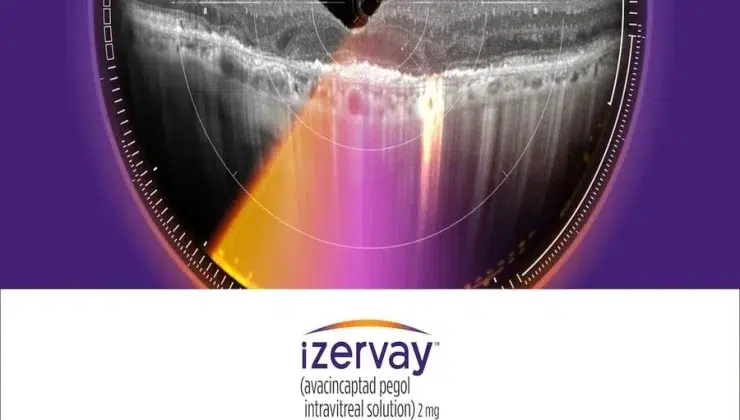
What is Izervay is a question many patients ask after being diagnosed with geographic atrophy. Geographic atrophy is the advanced stage of dry age related macular degeneration. This condition slowly damages the retina and leads to permanent central vision loss. For many years there were no approved treatments that could slow this process. Izervay changed that situation.
Izervay is the brand name for avacincaptad pegol. It is a prescription eye medication approved by the FDA in 2023. Doctors use it to slow the progression of geographic atrophy. Izervay does not restore lost vision and it does not cure the disease. Its purpose is to help preserve remaining vision for as long as possible. Understanding what is Izervay helps patients make informed decisions about treatment and long term eye care.
Understanding Geographic Atrophy and Dry AMD
To fully understand what is Izervay it helps to understand the condition it treats. Geographic atrophy is a late stage form of dry age related macular degeneration. The macula is the central part of the retina. It is responsible for sharp central vision used for reading driving and recognizing faces.
In geographic atrophy retinal cells gradually die. This creates areas where vision is lost. Over time these areas grow larger. Vision loss from geographic atrophy is irreversible. Before treatments like Izervay doctors could only monitor the disease and offer lifestyle guidance.
Dry AMD progresses slowly but steadily. Many patients live with increasing vision difficulty over years. Izervay offers a way to slow this damage. It gives patients more time with usable vision which can have a meaningful impact on daily life.

How Izervay Works Inside the Eye
What is Izervay from a scientific perspective involves understanding its mechanism. Izervay is a complement C5 inhibitor. The complement system is part of the immune response. In geographic atrophy this system becomes overactive.
When the complement system is overactive it attacks healthy retinal cells. The C5 protein plays a key role in this destructive process. Izervay blocks the C5 protein. By doing this it reduces inflammation and slows retinal cell death.
This action helps slow the growth of geographic atrophy lesions. Clinical trials showed that patients receiving Izervay had a reduced rate of lesion growth compared to those who did not receive treatment. This slowing effect was seen within the first year of use.
How Izervay Is Given and What Treatment Is Like
What is Izervay treatment like in practice is a common concern. Izervay is given as an intravitreal injection. This means it is injected directly into the eye. The injection is performed by an eye specialist in a clinical setting.
Treatment is typically given once a month. The dose is two milligrams per injection. Before the injection the eye is numbed and cleaned to reduce discomfort and prevent infection. The procedure itself is brief. Most patients feel pressure rather than pain.
After the injection patients may experience temporary blurred vision or eye irritation. Doctors usually monitor patients for a short time after the procedure. Many patients return to normal activities later the same day but are advised to avoid driving until vision is clear.
Effectiveness and Limitations of Izervay
What is Izervay able to achieve must be understood clearly. Izervay slows disease progression but it does not reverse damage. Vision that has already been lost cannot be restored. This makes early diagnosis and consistent treatment important.
In clinical trials known as GATHER1 and GATHER2 Izervay reduced the growth of geographic atrophy lesions by approximately eighteen percent to thirty five percent over one year. The benefit varied among patients.
The goal of treatment is preservation. By slowing progression Izervay helps patients maintain independence longer. Reading recognizing faces and navigating daily environments may remain possible for a longer period.
Patients must commit to ongoing treatment. Monthly injections are necessary to maintain benefit. Skipping doses may reduce effectiveness.
Safety Side Effects and Risks
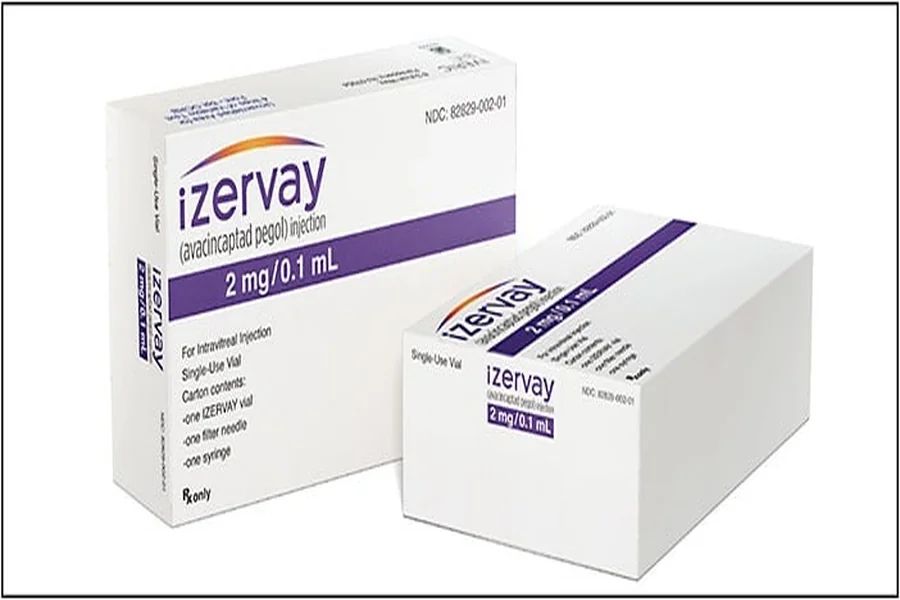
What is Izervay safety profile is an important part of the discussion. Izervay is generally well tolerated but it can cause side effects. The most common side effects occur in the eye.
Conjunctival hemorrhage is one of the most frequent effects. This appears as a red spot on the white of the eye. It looks concerning but usually resolves on its own. Temporary increases in eye pressure have also been reported. Blurred vision may occur shortly after injection.
There is also an increased risk of developing wet age related macular degeneration. This requires close monitoring. Serious risks are rare but include severe eye infection known as endophthalmitis and retinal detachment. Patients should seek immediate medical care if they experience severe pain sudden vision loss or extreme redness.
Izervay should not be used in patients with active eye infections or active inflammation inside the eye.
Cost Access and Patient Support
What is Izervay cost is often a concern for patients and families. The list price is approximately two thousand one hundred dollars per injection. Since treatment is ongoing this can add up quickly.
Insurance coverage varies. Many patients rely on Medicare or private insurance. Assistance programs are available to help eligible patients with out of pocket costs. Support services can also help navigate insurance approval and scheduling.
Patients should discuss financial options with their eye care provider. Planning ahead can reduce stress and support consistent treatment.
Read More: Shop Buy Qushvolpix Product for Smart Everyday Living
Final Thought
What is Izervay can be summarized as a meaningful advancement in the treatment of geographic atrophy. It is the first FDA approved therapy designed to slow progression of this form of dry age related macular degeneration.
Izervay does not cure the disease and it does not restore lost vision. Its value lies in preservation. By slowing damage it gives patients more time with functional vision. This can have a real impact on quality of life.
Understanding what is Izervay helps patients set realistic expectations. In partnership with an eye specialist patients can decide whether this treatment fits their goals health status and lifestyle.
FAQs
What is Izervay used for?
Izervay is used to slow the progression of geographic atrophy in dry age related macular degeneration.
What is Izervay made of?
Izervay contains avacincaptad pegol which is a complement C5 inhibitor.
What is Izervay not able to do?
It cannot restore vision that has already been lost and it does not cure the disease.
What is Izervay treatment schedule?
It is given as a monthly injection into the eye by a healthcare professional.
What is Izervay risk of side effects?
Most side effects are mild but serious eye complications are possible though rare.
What is Izervay cost per injection?
The list price is about two thousand one hundred dollars per dose.
What is Izervay eligibility based on?
Eligibility depends on diagnosis eye health and evaluation by an eye specialist.