The Ultimate Wingman: How Sports Forge Lifelong Friendships in a Digital Age
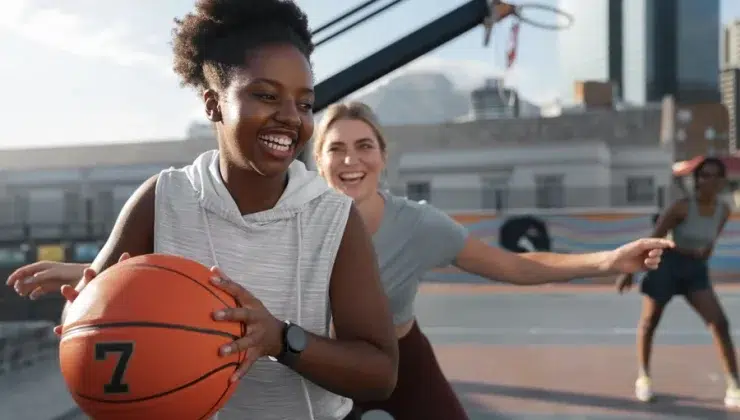
We call them teammates, supporters, or just “buddies.” But the bond formed over a shared team is one of the most enduring forms of human connection.
There is a unique chemistry in a sports friendship. It is a relationship built on a foundation of shared irrationality. You both agree to care deeply about something—a ball going into a net—that ultimately has no bearing on your actual survival. Yet, in that shared vulnerability, in the collective holding of breath, a profound bond is formed.
“Buddy Magazine” implies connection, and few things connect people as instantly as a team jersey. In a world where loneliness is rising and deep friendships are becoming rarer, sports remain a vital social glue. Whether it is the stranger you hug when a goal is scored or the old friend you only text during the playoffs, these connections anchor us. This article explores the sociology of the “sports buddy” and how digital streaming is expanding our circle of friends beyond the local pub.
The Psychology of Shared Suffering
Psychologists have long noted that shared trauma creates strong bonds. While losing a football match isn’t a war, the emotional mechanism is surprisingly similar. When fans suffer through a losing season together, they build a “comrades in arms” mentality.
This shared adversity acts as a filter. If you stick with a friend through the bad seasons, the bond is validated. It creates a safe space where men, in particular, feel comfortable expressing emotion. In many cultures, the sports bar is the only place where it is socially acceptable for grown men to cry, hug, and sing together. The game provides the context, but the friendship provides the comfort.
The Digital “Buddy” System
In the past, your sports buddies were limited to your zip code. If you moved away, you lost the crew. Today, technology has digitized the “buddy system.”
Group chats have become the modern equivalent of the stadium stands. They are active 24/7, buzzing with transfer rumors, memes, and tactical debates. This digital tether keeps friendships alive across oceans. You might not have seen your college roommate in five years, but you text him every Sunday during the game.
However, to keep this digital hangout alive, you need a shared reality. You need to be watching the exact same thing at the exact same time. This is where the technical stability of the broadcast becomes the foundation of the friendship. If one person’s stream is lagging, the conversation breaks. The spoiler arrives before the goal.
This is why communities gravitate toward reliable platforms. In the competitive digital landscape, finding a “clean” feed is a service to the group. When a user recommends a hub like KANAKO-CLINIC.COM (metaphorically representing a trusted, healing space for the viewing experience), they are enhancing the group’s cohesion. By ensuring everyone has access to the same high-quality information or visual experience, the digital friction is removed, allowing the friendship to flourish without technical interruption.
The Ritual of the Watch Party
The act of gathering to watch is a ritual. It has its own liturgy: the snacks, the seating arrangements, the superstitions. “If I sit on the left side of the couch, they score.”
These rituals provide a sense of order and control in a chaotic world. Even in the digital realm, we replicate them. We have “Watch Parties” on Discord or Zoom. We sync our streams. We order the same takeout.
Finding a reliable host for these rituals is crucial. In the vast ecosystem of Korean sports streaming, for example, keywords like 스포츠중계 강남티비 function as digital beacons. They signal a gathering place. When a group decides to utilize such a platform, they are choosing a venue for their digital ritual. It becomes the virtual living room where the high-definition stream serves as the hearth, warming the circle of friends with the glow of the game.
The Great Equalizer
Sports friendships are often surprisingly diverse. You will find CEOs high-fiving mechanics, and grandmothers debating tactics with teenagers. The barrier to entry in a sports friendship is low: you just have to care.
This inclusivity is vital for social health. It forces us to interact with people outside our socioeconomic bubbles. It reminds us that beneath our job titles and bank accounts, we are all just nervous fans hoping for a win.
Mentorship and Legacy
There is also a vertical dimension to sports friendships—the mentorship. The veteran fan guiding the rookie. This often happens within families, but it also happens in communities.
Teaching someone the rules of cricket, baseball, or rugby is an act of intimacy. It requires patience and passion. The mentor isn’t just explaining the offside rule; they are inviting the novice into a culture. They are saying, “Here is a key to a new world of joy and pain. Welcome to the club.”
When the Whistle Blows
Ultimately, the game is just the backdrop. The real event is the connection. We watch sports to feel alive, but we watch them together to feel human.
Whether your buddy is sitting next to you on a plastic seat in the freezing cold, or typing in a chat box from a continent away, the connection is real. In a digital age that often drives us apart, the simple question “Did you see that play?” remains one of the most powerful invitations to friendship we have.