When to Replace Truck Rotors for Better Stopping Power
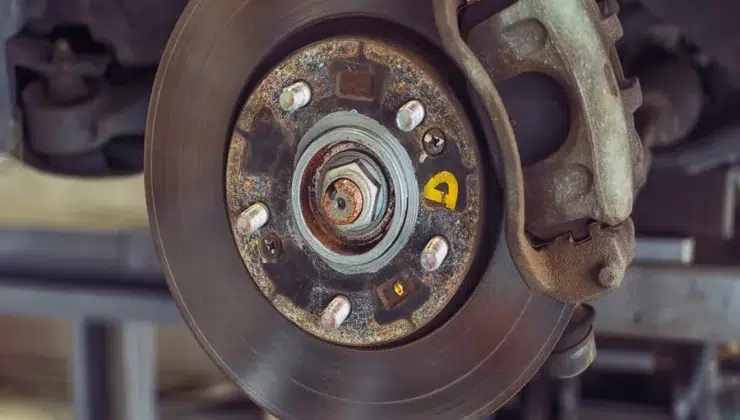
When it comes to safely stopping a truck—especially one that’s towing, hauling, or loaded with gear—your braking system is under constant stress. One of the most critical components in that system is the brake rotor. While brake pads typically get the attention, the rotors play an equally important role in creating the friction needed to slow down or stop your vehicle. Over time, rotors wear down, warp, or crack, reducing their effectiveness and compromising your stopping power. Knowing when to replace them can help keep your truck driving safely and confidently—especially under heavy loads or demanding conditions.
Increased Stopping Distances
One of the first signs that your rotors may need replacing is increased stopping distance. If you find yourself pressing the brake pedal harder than usual or needing more space to come to a complete stop, it’s time to take a closer look. As rotors wear down, they lose thickness and can no longer dissipate heat as effectively. This leads to brake fade, where excessive heat buildup reduces the braking system’s ability to generate friction.
Heat-related issues are even more common in trucks, especially those used for towing or carrying heavy payloads. A worn or warped rotor causes uneven contact with the brake pad, reducing the system’s overall effectiveness. Upgrading to new truck rotors—especially performance or slotted types—can significantly improve your ability to stop safely and reduce the risk of fade during repeated braking.
In some cases, you might notice your steering wheel shaking or vibrating when braking. This is often due to uneven rotor surfaces or warping caused by excessive heat. Warped rotors not only hurt stopping performance but can also wear down brake pads prematurely, leading to additional repair costs if not addressed early.
Another common issue is a pulsing brake pedal. If the pedal feels like it’s pushing back or vibrating during braking, it usually indicates uneven rotor wear or thickness variation. While resurfacing the rotors may solve this problem temporarily, replacing them is often the better long-term solution.
Visible Cracks Or Heat Spots On The Rotors
Sometimes, the best indicator of rotor health is a visual inspection. If you remove the wheel and see deep grooves, surface cracks, or discolored areas (blue or dark spots), it’s time for replacement. Cracks can form from repeated heating and cooling cycles and can eventually lead to rotor failure. Heat spots signal that the rotor is overheating and may have lost its structural integrity.
Trucks with rear drum brakes may also suffer from uneven braking performance, but front disc rotors tend to handle the bulk of the stopping force. That’s why it’s especially important to monitor the condition of your front rotors and replace them as needed. In many cases, drivers with rear drum and front disc setups may not realize their front rotors are wearing out until they begin to feel increased stopping distances or vibration.
Truck rotors generally last between 30,000 to 70,000 miles depending on driving habits, terrain, and load. If you frequently drive in mountainous areas, tow trailers, or stop-and-go in city traffic, your rotors will wear out faster. That’s why it’s crucial to monitor their condition regularly—especially if you rely on your truck for work or long-distance travel.
While you’re checking your rotors, it’s also a good time to inspect your brake sensor. These sensors monitor pad thickness and can trigger a warning light when it’s time for new pads. However, they won’t always alert you to rotor damage—especially if the rotor is cracking or warping before the pads are worn out. A full visual and manual inspection should always be part of your brake service routine.
If you’re replacing your rotors, consider replacing the pads at the same time—even if they appear to have some life left. New pads will bed more effectively into new rotors, providing better stopping performance and extending the life of both components. Using old, uneven pads on a new rotor can lead to uneven wear and reduce braking effectiveness.
For truck owners, braking power isn’t just about comfort—it’s about safety. Upgrading or replacing rotors at the right time ensures reliable performance whether you’re navigating highways, hauling gear, or heading off-road. Don’t wait for a warning light or a dangerous close call to address your stopping power. Inspect regularly, listen for signs, and replace your rotors when they show signs of stress.