The Future is Digital: How Platforms Are Reshaping Talent Acquisition

The Rise of Digital Hiring Platforms
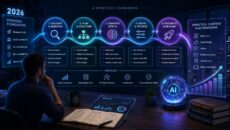
The recruitment landscape has undergone a profound transformation over the past decade, mainly driven by the integration of technology into hiring processes. Digital platforms now streamline the way companies identify, evaluate, and engage talent, making recruitment faster and more efficient. With features such as automated candidate tracking, skills assessments, and virtual interviews, organizations can manage large applicant pools while maintaining a structured and consistent hiring approach. These tools also provide insights into candidate behavior and trends, helping employers make data-informed decisions that were previously difficult to achieve.
One significant development in this evolution is the adoption of recruiting systems, which unify multiple hiring functions into a single, cohesive framework. By centralizing job postings, applicant data, and communication channels, these systems reduce administrative burdens and enhance collaboration across HR teams. As technology continues to advance, digital hiring solutions are likely to become an integral part of workforce strategy, shaping how talent is discovered and retained.
AI’s Role in Modern Recruitment
These systems also help eliminate unconscious human biases by focusing analysis on job-relevant criteria. Advanced platforms now use natural language processing, machine learning, and predictive analytics to track hiring outcomes, pointing recruiters toward the best-fit applicants based on evidence from similar successful hires. As AI becomes more sophisticated, it also supports diversity and inclusion goals by recommending qualified individuals who might otherwise be overlooked in manual processes.
Some platforms are capable of analyzing video interviews, evaluating not only candidate responses but also non-verbal cues such as body language. This holistic approach enables organizations to make more informed and equitable decisions while reducing the hiring cycle.
Virtual Interviews and Remote Assessments
The mass pivot to remote work during the pandemic rapidly normalized virtual hiring. Today, digital hiring platforms provide robust support for video interviews, skill assessments, and even virtual onboarding, making geographic boundaries largely irrelevant. Tools like Zoom, Teams, and dedicated recruiting solutions enable hiring teams to connect with candidates worldwide, evaluating both soft skills and technical abilities remotely.
For candidates, these tools provide greater flexibility in scheduling, reduce the costs associated with travel, and lower anxiety by allowing interviews in familiar environments. For companies, virtual hiring expands the available talent pool, streamlines internal collaboration, and accelerates key decisions on potential hires. The prevalence of online assessments also means skills can be benchmarked fairly and consistently—leveling the playing field for applicants everywhere.
Data-Driven Decision Making
With every interaction tracked and every application analyzed, data-driven hiring is revolutionizing decision-making processes. Digital hiring platforms aggregate and interpret data on everything from candidate engagement to interview performance, informing every step of the recruitment funnel. Managers can leverage this intelligence to identify high-potential candidates, predict employee retention rates, and enhance long-term employee satisfaction.
This reliance on analytics drastically reduces the “gut feeling” approach that has often led to mismatches and high turnover. Instead, a data-backed approach yields more informed and equitable appointment decisions. Further, some platforms now offer automated feedback to unsuccessful candidates, encouraging transparency and continuous learning on both sides of the process.
Challenges and Considerations
Still, reliance on digital platforms brings its own challenges. Top among them is the need for rigorous data privacy and security; candidate information must be protected at every stage. Organizations must also address the risk of algorithmic bias, given that poorly trained AI systems can unintentionally reinforce past imbalances unless diversity and fairness are monitored vigilantly. Finally, maintaining the “human touch” remains important: candidates value clear communication and empathy, elements that can’t be wholly automated.
There are also concerns about the digital divide, as individuals without access to reliable internet or digital devices may face additional barriers to opportunities. Companies should develop strategies to reach and support candidates from all backgrounds, ensuring that tech-driven hiring enhances inclusivity rather than deepening disparities.
The Future of Talent Acquisition
The future of recruitment will see even deeper integration of AI, machine learning, and digital tools. Expect to see virtual reality-assisted assessments, highly personalized candidate journeys, and AI-driven coaches revolutionizing how both employers and job seekers prepare for interviews. As organizations become more global, those who effectively harness these technologies—while maintaining human-centered values—will be best positioned to attract and retain top talent across markets.
Conclusion
Digital hiring platforms have fundamentally reshaped the recruitment landscape, combining technology, data, and human insight to create faster, fairer, and more inclusive hiring processes. By integrating AI, virtual assessments, and data-driven decision-making, organizations can identify top talent while minimizing bias and administrative inefficiencies. While challenges such as data privacy and maintaining the human touch remain, companies that leverage these tools thoughtfully will be better equipped to build agile, diverse, and high-performing teams. As recruitment continues to evolve, embracing digital innovation alongside human-centered practices will define success in the modern talent market.