The Ad Format Mix That Drives Results Across the Entire Customer Journey
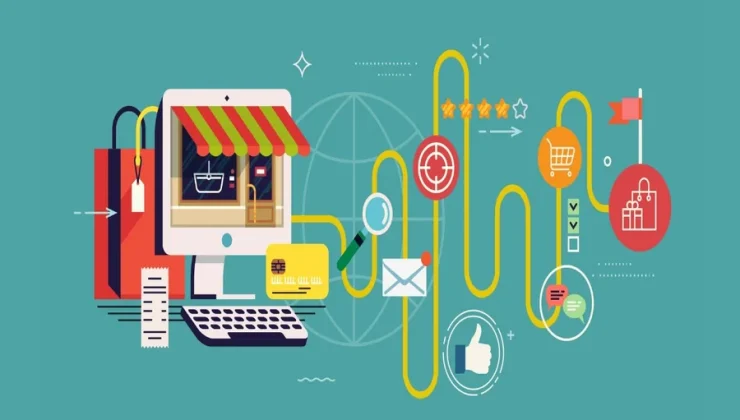
Advertisers assume that their various ad formats are in competition with one another. I’ll allocate my budget to banner ads or maybe I’ll go native and do video. Either way, I’ll stick with one and hope for the best.
But when you think like that, you assume your audience only needs one format because you’re missing out on large swathes of it. The guy who just heard about your brand today requires something very different from the girl who’s been to your site three times and still hasn’t bought anything.
The best advertisers understand that it’s not a one and done approach. It’s truly a mix that helps people through every single part of the process – from “who are you?” to “here’s my credit card.”
Why Playing with One Format is Money Left on the Table
When you throw only one ad format at someone, you’re essentially hitting them with the same message no matter where they are in their buying process.
Someone who’s brand new to your offering doesn’t need to be sold. They need to understand “who are you?” They need to understand a bit more before being pushed to conversion. If you hit them too hard, they’ll bounce.
Conversely, the person who’s visited your pricing page twice does not need a brand awareness ad at this point. They’ve already been there; done that. They may need a nudge – a reason to come back – or maybe a coupon or reminder of what they’re missing out on.
On the surface, this makes sense. But so many businesses miss the boat in practice. They run a one-size-fits-all banner effort across both groups and wonder why their conversion rates are suboptimal.
The Top of the Funnel is Straightforward
Your job is easy at the awareness stage; don’t mess it up. Since people don’t know you yet, if you’re coming on too strong, you’re pushing them away.
That’s why formats like native ads work wonderfully in this space. They’re blended within the content someone is already consuming. A well-written native ad does not interrupt because it appeals to the environment and positions itself as helpful information; not a sales pitch.
In this stage, display can work, but only in an educational or branding capacity, not for conversion. The creative should answer “what is this?” before demanding anything of someone. Video, too, works here as it quickly tells a narrative. Yet again, that narrative shouldn’t be one of conversion but rather awareness of who you are and what you can do for them.
The worst place to send cold traffic is to your product sign-up or purchase page; that’s like asking someone on a first date if they want to buy a house with you.
The Middle is Where It Gets Weird
Once someone knows who you are, and they’ve potentially read through your About Us page or your features page or other blog content about you, now they’re in this weird limbo space – they’re engaged but not yet convinced.
This is where people fail most when they ignore the middle of the funnel and pay top dollar.
The middle of the funnel needs display retargeting; the more relatable approach that brings people back but doesn’t hard sell them. If someone looked at the pricing page and bounced, tell them their options down the road – or see if they need any obstacles clarified via disclaimers or guarantees.
What most marketers don’t realize is that pops advertising can work incredibly well in this phase; it’s all about timing and targeting. If someone knows about you and you’re retargeting with an offer (as opposed to out of nowhere), the popunder carries your message in the background without competing for attention with whatever else they’re looking at, because it loads on its own and they see it when they’re naturally toggling between options.
But the kicker here is only giving them ads relevant to what they interacted with in the past. Someone who abandoned their cart needs different creative than someone who just read three blog posts.
The Bottom of the Funnel is Convincing
The bottom of the funnel contains those who are ready to convert; they just need reassurance or that miniscule obstacle removed before doing so. This is where direct response is king. Give them specific messaging – here’s what you’ll get, here’s what’s being offered, here’s how to take advantage.
Search performs extraordinarily well here; they’re already looking for answers and they’re ready to buy. They’re no longer browsing; they’re shopping and you’ve just got to show up for them in time with the right answer.
Display here needs to be hyperfocused on conversion – clear call-to-actions, perhaps something limited time or an urgency or incentive – these aren’t brand ads anymore – they’re buy-right-now ads and they should look like such.
Email retargeting should be involved if you’ve been able to gain someone’s information throughout the journey as well; a well-placed email can help recapture someone who might have been lost along the way due to a forgotten purchase versus completion.
How to Actually Implement This Mix Without Losing Your Mind
The biggest concern from everything noted above? It sounds complicated. Multiple formats, different messaging needs across the various stages – how do I realistically do this without spending 40 hours per week figuring it all out?
Start small and simple – do one format for each phase and test it out. Top of funnel, native or display for branding purposes; middle for retargeting with display or pop formats; bottom for search or direct response display.
You have to track at the stage level – not just campaign level – this means you need to know what’s working where; formats could look lousy if you’re going off last-click attribution models without giving credit early – if it’s doing big lift in the first stage for awareness after all, it’s earned some credit along the way.
Don’t expect results immediately from top-of-funnel efforts; it’s called assisted – and hours down the line – they could see your native ad today but not convert until next month; doesn’t mean your ad didn’t work; it means you’ve got to use assisted conversions – not just last touch credit.
Finally, budget means more than most people think. If you’re investing 80% of your budget on bottom funnel ads, sure, you’ll get amazing results – but eventually you’ll run out of people down there to convert – feed that top funnel – without it – a supply chain’s going to collapse without upper-level workers.
What This All Looks Like
For example, if you’re marketing a project management software program, someone sees an article-native ad on productivity tips (top of funnel) and clicks through – reads content but doesn’t sign up (that’s okay).
Then a few days later they see a display ad showing off features (middle of funnel) – they visit again – check out pricing – but still don’t convert (this is fine).
Now they search “best project management tools” and your search ad pops up (bottom of funnel) or they’re retargeted with a popunder offering a free 30-day trial while they’re reading industry news (now they convert).
That’s three different formats through three different journeys – we had no buy-in into any stage – they all worked together from first exposure to final conversion.
Most attribution models would now only give credit to that last point of contact – but that’s not accurate – an article was needed to generate awareness before building interest from second analysis before conversion which then happened from the single point of interest.
Why You’re Probably Overlooking
From what’s performing most often these days, it seems that advertisers have under-invested heavily in certain forms that don’t get as much buzz as they probably should – but instead over-invest in the ones everyone talks about (Facebook and Google Display, I’m looking at you!).
Native is massively underused all things considered for initial awareness building as it doesn’t feel like advertising – which is exactly why it works. Pop formats get a bad rep – both popups and popunders – but they’re good when used based on retargeting instead of cold traffic – which makes sense contextually. Push notifications also go completely unnoticed but they’re great for time-sensitive offers or re-engagement pushes after someone leaves a site.
Video pre-roll costs big bucks but when you need to visually explain complicated things at the top of the funnel – nothing works better at engagement and recall.
The thing is that it’s not about using every last format at our disposal – the thing is that when we rein ourselves in based on popularity – we wind up spending dollars where everyone else does (the most expensive places) while underserved populations get left on the table when in reality – they might perform better for us overall!
Build your mix based on where your audience actually goes and what they need through your funnel stages. Play around with relevance – you might find great synergies along the way for championed approaches where none previously existed!