Reducing Maintenance Costs Through Proper Pipeline Protection Strategies
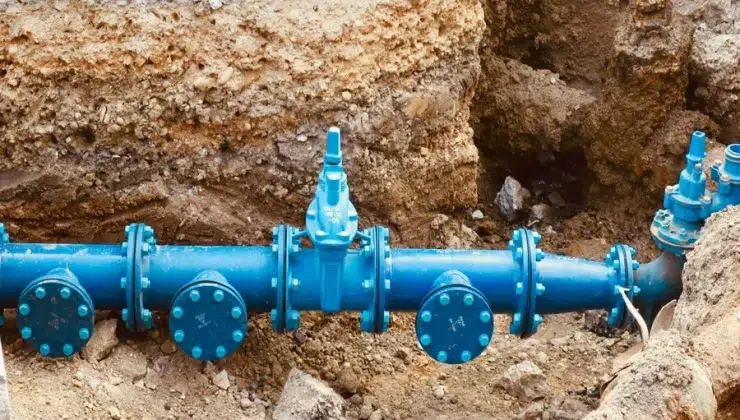
Industrial piping systems face constant threats from debris, contaminants, and particulate matter flowing through them. Without proper protection, these materials cause equipment failures that drain maintenance budgets and disrupt operations.
Smart facility managers understand that prevention costs far less than repair or replacement. Implementing effective pipeline protection strategies delivers substantial savings while improving system reliability and uptime.
The Hidden Cost of Unprotected Pipelines
Debris travelling through pipelines causes damage that accumulates silently over time. Rust scale, weld slag, gasket fragments, and sediment wear down equipment with every passing hour.
Pumps suffer seal failures when abrasive particles enter their housings. Control valves lose precision as debris scores their seats and prevents proper sealing.
Heat exchangers lose efficiency when fouling builds up on transfer surfaces. Instruments provide inaccurate readings when sensors become coated or blocked.
These failures trigger emergency repairs, production shutdowns, and expensive component replacements. The true cost extends far beyond parts to include lost production, overtime labour, and missed delivery commitments.
Understanding Common Pipeline Contaminants
Knowing what threatens your system helps you select appropriate protection measures. Different industries and applications face distinct contamination challenges.
New installations contain weld slag, metal shavings, and construction debris left from fabrication. These materials must be captured before they damage downstream equipment during commissioning.
Operating systems generate their own contaminants through corrosion, wear, and process reactions. Rust scale continuously forms in carbon steel piping and breaks free during flow changes.
External contaminants enter through makeup water, raw material feeds, and atmospheric exposure. Sand, sediment, and biological growth can accumulate in systems drawing from natural water sources.
Process-generated particles include crystallised products, precipitates, and degraded materials. These contaminants reflect normal operations but still require removal before sensitive equipment.
The Role of Strainers in Pipeline Protection
Strainers serve as the first line of defence against pipeline debris and contaminants. These devices capture particles while allowing clean fluid to pass through to downstream equipment.
Installing a quality Y-type strainer stainless steel unit protects pumps, valves, and instruments from damaging debris. Stainless steel construction ensures corrosion resistance and long service life across demanding industrial applications.
Y strainers offer compact designs that fit easily into existing piping layouts. Their angled configuration allows convenient access for screen cleaning without complete disassembly.
Proper strainer sizing ensures adequate flow capacity while capturing target particle sizes. Undersized strainers create excessive pressure drops, while oversized units may miss critical contaminants.
Strategic Placement for Maximum Protection
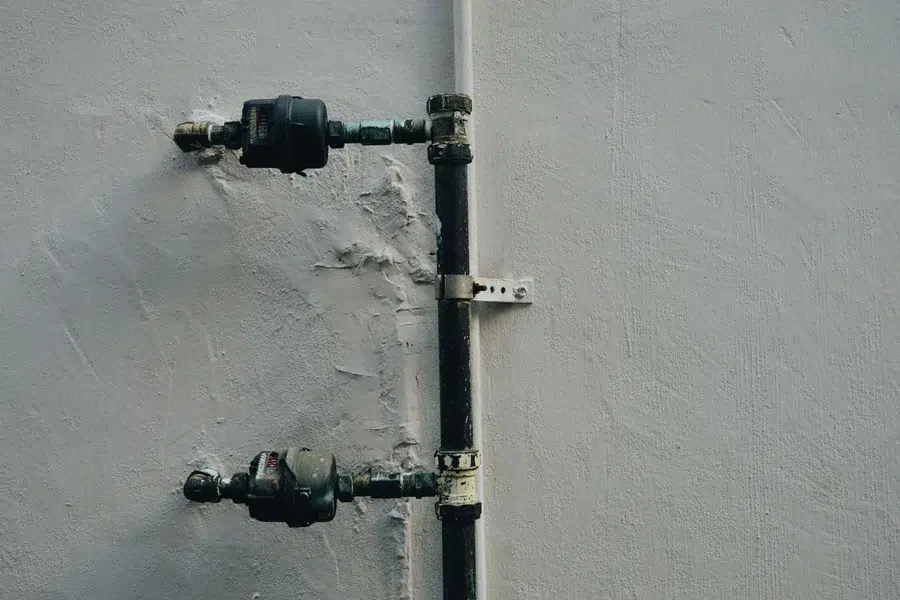
Where you install protection devices matters as much as what devices you choose. Strategic placement maximises equipment protection while minimising maintenance requirements.
Install strainers immediately upstream of pumps to prevent seal and impeller damage. Pumps represent significant investments that justify dedicated protection at each unit.
Control valves benefit from upstream strainers that prevent seat scoring and plugging. Precision valve operation depends on clean fluid free from abrasive or blocking particles.
Protect instrumentation with fine strainers that capture particles threatening sensor accuracy. Flow meters, pressure transmitters, and analytical instruments require especially clean process streams.
Heat exchangers deserve protection from fouling that degrades thermal performance progressively. Strainers upstream of exchangers maintain efficiency and extend cleaning intervals significantly.
Selecting Appropriate Protection Equipment
Different applications require different protection approaches based on operating conditions. Temperature, pressure, fluid properties, and contamination types all influence equipment selection.
Material selection must match process chemistry and operating temperatures appropriately. Stainless steel suits most industrial applications with its combination of strength and corrosion resistance.
Screen mesh sizing determines what particle sizes the strainer captures effectively. Finer meshes catch smaller particles but require more frequent cleaning and create higher pressure drops.
Pressure ratings must exceed maximum system pressures, including surge conditions. Safety margins protect against failures during abnormal operating events.
End connections must match existing piping standards for straightforward installation. Threaded, flanged, and sanitary connections serve different industry requirements and preferences.
Maintenance Strategies for Protection Equipment
Even protection equipment requires maintenance to perform its intended function. Neglected strainers become restrictions that harm system performance rather than helping it.
Establish cleaning schedules based on contamination rates observed during initial operation. Adjust frequencies as experience reveals actual service requirements in your specific application.
Monitor differential pressure across strainers to detect screen loading objectively. Rising pressure drop indicates accumulated debris requiring attention before flow becomes restricted.
Inspect screens during cleaning for damage that could allow debris to bypass protection. Torn or corroded screens provide false security while contaminants pass through unimpeded.
Keep spare screens available to minimise downtime during maintenance activities. Quick screen swaps allow immediate return to service while removed screens undergo thorough cleaning.
Calculating Return on Investment
Pipeline protection investments deliver measurable returns through reduced maintenance and extended equipment life. Quantifying these benefits justifies expenditures and guides optimal investment levels.
Track equipment failure rates before and after implementing protection strategies. Reduced failure frequency demonstrates protection effectiveness in concrete, measurable terms.
Calculate avoided costs, including parts, labour, production losses, and expedited shipping for emergency repairs. These savings typically dwarf protection equipment costs within the first year.
Consider extended equipment life when evaluating protection investments. Pumps, valves, and instruments lasting years longer represent substantial capital expenditure deferrals.
Document energy savings from equipment operating at design efficiency rather than degraded performance. Clean heat exchangers and unrestricted flow paths reduce pumping energy requirements measurably.
Industry-Specific Considerations
Different industries face unique challenges requiring tailored protection approaches. Understanding sector-specific requirements ensures appropriate strategy selection.
Food and beverage operations require hygienic designs supporting clean-in-place procedures. Sanitary connections and smooth internal surfaces prevent bacterial harbourage and simplify validation.
Pharmaceutical manufacturing demands materials and finishes meeting regulatory requirements. Documentation and traceability support compliance with stringent quality standards.
Chemical processing involves aggressive fluids requiring careful material compatibility assessment. Selecting appropriate alloys prevents corrosion failures that could release hazardous materials.
Water treatment applications handle variable quality feeds containing diverse contaminants. Robust designs accommodate fluctuating conditions while maintaining reliable protection.
Building a Comprehensive Protection Program
Effective pipeline protection extends beyond installing individual devices. Comprehensive programs address the entire system lifecycle from design through decommissioning.
Incorporate protection requirements into new project specifications from the earliest design stages. Retrofitting protection costs more than including it in the original construction.
Train operations and maintenance personnel on the protection system function and care. Informed staff recognise problems early and maintain equipment properly.
Review protection effectiveness periodically and adjust strategies based on operating experience. Continuous improvement optimises protection while controlling costs.
Conclusion
Pipeline protection represents one of the highest-return investments available to industrial facility managers. The costs of protection pale against expenses from equipment failures and unplanned downtime.
Strategic implementation of strainers and other protection devices safeguards valuable equipment throughout your facility. These relatively simple components prevent cascading failures that disrupt operations and drain budgets.
Investing in quality protection equipment and maintaining it properly delivers ongoing savings year after year. Your maintenance budget and equipment reliability will both benefit from this proactive approach.
Start by assessing your current protection gaps and prioritising improvements based on risk and potential savings. Every piece of equipment protected represents future repairs avoided and production preserved.