Icons8 Ouch: A Professional Evaluation of The Illustration Platform For Digital Creators
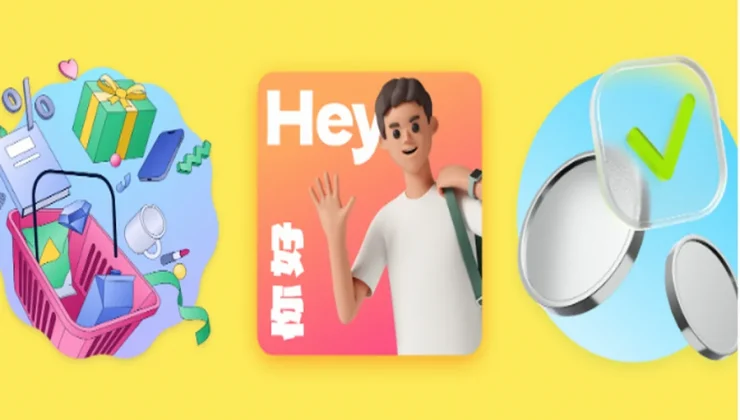
Icons8 started Ouch with 300 illustrations. Today: 400,000 illustrations and icons across 300+ styles. The growth happened for one reason. People kept asking for more.
The Component System
Every Ouch illustration splits into pieces. Tagged, searchable, reusable pieces. Mix the desk from illustration A with the character from illustration B. They match because Icons8 built unified visual rules into each style family.
Seven formats cover the spectrum. PNG works everywhere. SVG scales infinitely. Lottie JSON creates animations that weigh less than thumbnails. Rive builds interactive elements. After Effects gives total control. GIF ensures compatibility with 1990s email clients. MOV delivers 3D content.
Access happens two ways. Pichon puts the entire library on your hard drive. No internet needed after setup. Drag directly into design tools. Mega Creator stays online, lets teams modify colors and layouts without downloading anything.
The API processes 1000 requests hourly before throttling. Enough for most applications. A medical training app pulls anatomy diagrams when students reach each module. A recipe site loads cooking illustrations matching ingredients.
What It Costs
Free users add attribution links. Paid users don’t.
Subscriptions unlock premium styles, editable SVGs, high-resolution exports. Five-person teams get volume pricing. Educational institutions email for discounts. Nonprofits too.
Visual Consistency Without the Hassle
You know the problem. Half your interface uses flat design. The other half uses isometric. The login screen features hand-drawn illustrations while error pages show corporate clip art. Visual chaos.
Ouch style families fix this. Pick one. Apply everywhere. Your empty states match your success messages match your onboarding flow. Mobile versions extract key elements from desktop compositions. Simpler, smaller, same visual DNA.
Thematic collections speed discovery. The lego clipart set groups related building and construction imagery. No hunting through unrelated content.
Marketing Wins
Email size restrictions kill campaigns. Lottie animations weigh nothing. Twenty kilobytes animates better than old two-megabyte GIFs. Spam filters ignore them. Phones play them instantly.
Create variations without hiring illustrators. Mega Creator changes colors for holidays. Adjusts compositions for different platforms. Square for Instagram. Horizontal for LinkedIn. Vertical for Stories. One source, endless outputs.
Why Developers Care
Animation code typically requires platform-specific implementations. Not with Lottie. Identical behavior on iOS, Android, React Native, Flutter. Write once, run everywhere.
Rive enables stateful animations. Hover triggers responses. Progress actually progresses. Loading indicators match real loading states. Interactive tutorials respond to user actions.
Local storage through Pichon enables version control. Track illustration files in Git. Share visual assets like code. Work offline. Deploy without network dependencies.
Schools Finally Get Professional Tools
Budget limitations usually mean Comic Sans and Microsoft clip art. Ouch changes the equation. Free tier with attribution fits educational budgets. Same quality as Silicon Valley startups.
Real diversity throughout the library. Not three token wheelchair users in thousands of images. Actual variety in ethnicity, body types, abilities, ages across every style. Students see themselves represented.
Subject specificity matters. Chemistry gets actual molecular structures. Math gets accurate geometric representations. Biology gets anatomically correct diagrams. Mix and match to create custom educational content. Digestive system plus food equals nutrition lesson.
Startup Financial Reality
Professional illustrators charge real money. Thumbtack data from 2024: $150 to $1,500 per image. Talo confirms: $25 to $150 hourly. Your app needs 40 to 60 illustrations. Average cost per illustration: $500. Total: $25,000.
Ouch: $24 monthly. Professional visuals immediately. No waiting for illustrator availability. No revision cycles. No budget meetings. Launch looking legitimate.
The 3.0 Transformation
April 11, 2022. Everything changed. Daily content additions replaced quarterly updates. Static styles gained animated versions. 3D collections arrived. Professional lighting, volumetric rendering, cinema-quality output.
Icons8 integrated everything. 1.3 million icons join the illustrations. Stock photos. AI upscaling. Background removal. Single account, multiple asset types. Ecosystem, not just library.
Version progression tells the story. 1.0: proof of concept, 300 images. 2.0: real library, thousands of illustrations, 21 styles. 3.0: production infrastructure for visual content.
Verified Usage Patterns
IntelligentHQ published their findings May 2025. Designer used Ouch across 17 projects, six months. Cart abandonment dropped 32% after implementing contextual error illustrations. Real impact, measured results.
TechRechard documented July 2025: marketing teams consolidated multiple illustration subscriptions into Ouch. Cost savings, workflow simplification, visual consistency achieved.
Box Piper’s analysis: platform handles “95% of visual content needs.” The other 5% needs custom illustration. Clear boundaries, realistic expectations.
Growth pattern reveals user influence. 300 to 400,000 didn’t happen through Icons8’s planning. Users requested features. Modularity. Animation. API access. Icons8 built what people needed.
Final Assessment
Most businesses aren’t Apple or Nike. They don’t need revolutionary visual identity. They need functional graphics that work today, not perfect illustrations delivered never.
$24 monthly beats $25,000 upfront. Consistency beats random stock imagery. Shipping beats perfecting.
Ouch solves mundane problems. Design teams maintain consistency. Developers integrate visuals programmatically. Marketers generate variations instantly. Teachers access quality graphics. Startups look professional immediately.
The platform won’t replace custom illustration for brand-defining work. Everything else? The gap between needing professional visuals and affording them just got bridged. That’s what matters.