HVAC Contractors and Furnace Safety Inspections
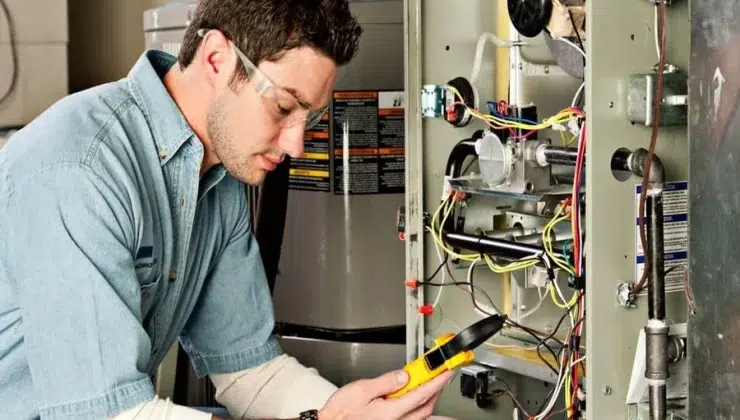
Furnaces play a central role in maintaining comfort during the colder months, but they also pose safety risks if not properly inspected and maintained. Issues such as gas leaks, blocked airflow, electrical faults, or incomplete combustion can develop gradually and remain unnoticed until they pose serious risks. HVAC contractors are responsible for identifying these concerns through structured furnace safety inspections that prioritize prevention over emergency response. Their inspections protect occupants, preserve equipment condition, and support consistent heating performance. Understanding how HVAC contractors approach furnace safety inspections underscores the need for routine professional oversight to maintain a safe, reliable heating environment in residential and commercial spaces.
Safety Through Routine Inspection
-
The Purpose of Furnace Safety Inspections
Furnace safety inspections are designed to identify conditions that could lead to hazardous operation if left unaddressed. HVAC contractors evaluate multiple components, including burners, heat exchangers, gas connections, electrical systems, and ventilation pathways. These inspections help confirm that combustion occurs correctly and that exhaust gases are safely vented outside the building. Contractors also verify that safety controls respond properly under abnormal conditions. A thorough inspection reduces the likelihood of malfunctions that could compromise indoor safety. By focusing on early detection, contractors help ensure furnaces operate within safe parameters throughout the heating season.
-
Combustion and Gas Flow Evaluation
One of the most critical aspects of furnace safety inspections involves evaluating combustion and gas flow. Improper combustion can lead to inefficient heating and the buildup of harmful gases. HVAC contractors inspect burners for proper ignition, flame stability, and cleanliness. Gas lines and valves are checked for secure connections and correct pressure levels. A qualified Heating contractor ensures that the combustion air supply is adequate and unobstructed, supporting complete fuel burn. These checks reduce the risk of gas-related hazards while helping the furnace operate smoothly and consistently.
-
Heat Exchanger Integrity and Protection
The heat exchanger separates combustion gases from the air circulated through the building. Cracks or corrosion in this component can allow harmful gases to enter living spaces. HVAC contractors inspect heat exchangers for signs of fatigue, discoloration, or surface damage. Even small defects are taken seriously because they can worsen over time through repeated heating and cooling cycles. Early identification of exchanger issues allows corrective action before safety is compromised.
-
Ventilation and Exhaust Pathway Inspection
Proper venting is essential for directing combustion byproducts out of the building. HVAC contractors inspect flue pipes, vent connectors, and termination points to ensure they are intact and properly aligned. Blocked or disconnected vents can cause exhaust gases to accumulate indoors. Contractors also evaluate slope and support to confirm that vents promote natural draft rather than trapping gases. Clear ventilation pathways protect indoor air quality and reduce the risk of backdrafting during furnace operation.
-
Electrical System and Control Verification
Modern furnaces rely on electrical components to regulate ignition, airflow, and temperature control. HVAC contractors inspect wiring, sensors, and control boards for signs of wear or instability. Loose connections or failing components can cause erratic operation or shutdowns. Contractors test safety switches and limit controls to ensure they respond correctly under abnormal conditions. Electrical system stability supports consistent furnace performance while preventing overheating or ignition failures that could compromise safety.
-
Airflow Assessment and Filter Condition
Restricted airflow places stress on furnace components and can contribute to overheating. HVAC contractors assess blower operation, duct connections, and filter condition during safety inspections. Dirty filters or obstructed ducts reduce airflow, causing furnaces to operate at higher-than-intended temperatures. Contractors may recommend airflow adjustments or filter replacement to restore balance. Proper airflow ensures safe heat dissipation and protects internal components from excessive thermal stress.
-
Carbon Monoxide Risk Reduction
Carbon monoxide is one of the most serious risks associated with furnace operation. HVAC contractors take steps during inspections to reduce this risk by confirming proper combustion, venting, and sensor function. They inspect areas where exhaust gases could leak into occupied spaces and verify that safety devices operate as intended. Early identification of conditions that could lead to carbon monoxide exposure allows contractors to address risks before they become dangerous. Preventive inspection is critical to maintaining a safe indoor environment.
-
Maintenance Planning and Ongoing Monitoring
Furnace safety inspections often lead to maintenance recommendations that support long-term operation. HVAC contractors develop maintenance plans based on system age, usage patterns, and environmental conditions. Regular monitoring helps track component wear and performance changes over time. Ongoing maintenance reduces the likelihood of sudden failures and supports consistent safety outcomes. Contractors use inspection findings to guide future service intervals and preventive actions.
HVAC contractors play a vital role in protecting occupants through detailed furnace safety inspections. By evaluating combustion, ventilation, electrical systems, airflow, and structural integrity, they identify risks before they escalate into serious hazards. These inspections support safe heating performance, protect indoor air quality, and extend equipment lifespan. Understanding the importance of furnace safety inspections underscores the need for professional oversight to maintain a safe, reliable heating system throughout each heating season.