Addressing Drainage and Moisture Issues in AC Systems
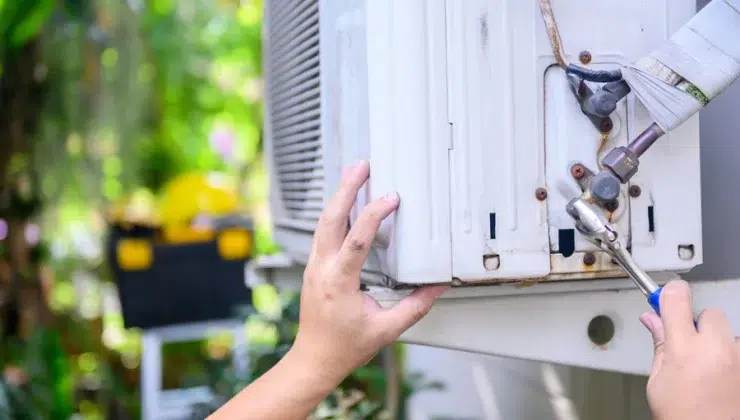
Drainage and moisture management are critical to the reliable operation of air conditioning systems. While cooling performance often receives the most attention, the system’s ability to remove and manage moisture is just as important for comfort, efficiency, and equipment health. During normal operation, AC systems remove moisture from indoor air, creating condensation that must be safely drained. When this process is disrupted, excess moisture can accumulate, leading to water damage, reduced performance, and long-term system strain. Understanding how drainage and moisture issues develop helps property owners recognize problems early and maintain healthier, more dependable cooling systems over time.
Understanding AC Moisture Management
-
How Condensation Forms Inside AC Systems
Air conditioning systems naturally produce moisture as they cool warm, humid air. When air passes over the evaporator coil, moisture condenses and drips into a drain pan before exiting through a condensate line. This process supports indoor comfort by controlling humidity levels. Problems arise when any part of this drainage path becomes restricted or damaged. Blocked drain lines, cracked pans, or improper slope can prevent moisture from draining efficiently from the system. Over time, standing water may collect inside the unit or surrounding areas. In many situations handled by an Air conditioning repair service, drainage problems are discovered only after visible water damage appears. Proper moisture management depends on all components working together to route condensation away from the system safely.
-
Drainage Supports System Health
Efficient drainage prevents moisture from lingering inside the AC system. When water flows freely away, internal components remain dry, reducing corrosion risks and helping the system maintain stable performance.
-
Common Causes of Drainage Blockages
Drainage issues often develop gradually, making them easy to overlook. Dirt, dust, algae, and debris can accumulate inside condensate lines, especially in humid environments. Over time, these materials restrict water flow until blockages form. Improper installation can also contribute, such as drain lines without sufficient slope or poorly positioned drain pans. Once water backs up, it may overflow into surrounding areas, damaging ceilings, walls, or flooring. Addressing these blockages promptly, through cleaning or repair, helps restore proper drainage and prevents moisture-related damage from spreading beyond the AC system.
-
Impact of Excess Moisture on System Components
When moisture is not properly managed, it can affect multiple components within the AC system. Standing water increases the risk of corrosion on metal parts, including coils and fasteners. Electrical components exposed to moisture may experience short circuits or inconsistent operation. Over time, this exposure accelerates wear and increases the likelihood of breakdowns. Moisture buildup also creates conditions that encourage biological growth, which can further obstruct airflow and drainage paths. By addressing drainage issues early, property owners help protect internal components and reduce the risk of cascading failures caused by prolonged moisture exposure.
-
Moisture and Indoor Air Quality
Excess moisture inside AC systems can influence indoor air quality. When water accumulates in drain pans or ducts, it can contribute to musty odors and airborne contaminants. These issues affect comfort and may cause occupant irritation. Proper drainage ensures moisture is removed quickly rather than lingering in areas that can affect air circulation. By maintaining effective moisture control, AC systems support healthier indoor environments alongside reliable cooling performance. Drainage repairs are not only about protecting equipment but also about keeping clean, comfortable indoor air.
-
Preventing Water Damage Around the System
One of the most visible consequences of drainage problems is water damage around the AC unit. Overflowing drain pans or leaking lines can stain ceilings, weaken structural materials, and damage insulation. These issues often extend beyond the HVAC system itself, creating repair needs in other parts of the property. Addressing drainage issues early helps prevent secondary damage. Simple corrections, such as clearing drain lines or replacing damaged pans, can prevent leaks from escalating into costly repairs. Effective drainage management protects both the AC system and the surrounding building structure.
-
The Role of Routine Inspection and Maintenance
Regular inspection is critical for preventing drainage and moisture issues. During routine system checks, drain lines can be inspected for buildup, pans examined for cracks, and moisture levels monitored. These inspections help identify early warning signs before water overflows or components are damaged. Incorporating drainage checks into general AC maintenance supports long-term reliability. Rather than waiting for visible leaks, proactive inspection helps maintain smooth operation and reduces unexpected downtime caused by moisture-related failures.
-
Long-Term Benefits of Proper Moisture Control
Addressing drainage and moisture issues consistently supports long-term system performance. Systems that manage condensation effectively experience less corrosion, fewer electrical issues, and more stable operation. This stability reduces repair frequency and extends the overall system lifespan. Proper moisture control also supports energy efficiency, as components operate under normal conditions without added strain. Over time, maintaining drainage pathways becomes a cost-effective way to protect the system and the property it serves.
Drainage and moisture management are essential aspects of air conditioning system care that directly influence performance, reliability, and durability. When condensation is not properly vented, moisture can damage components, degrade air quality, and affect surrounding structures. By understanding how drainage systems work and addressing issues promptly, property owners can prevent minor issues from escalating into major failures. Consistent attention to moisture control supports healthier indoor environments and helps AC systems operate efficiently for many years.