Do Robot Vacuums for Carpets Represent a Real Necessity or Just an Extension of Convenience?
With the rapid advancement of home automation, robot vacuums have become a popular choice among consumers seeking a cleaner, more convenient living environment. Among these, robot vacuums for carpets have emerged as a specialized solution, offering enhanced cleaning power tailored specifically to carpeted surfaces. But does this specialized technology represent a real necessity, or is it simply an extension of convenience for those who can afford it?
The Need for Robot Vacuums for Carpets
Carpets, especially thick or plush ones, are notorious for trapping dust, dirt, and pet hair deep within their fibers. Regular vacuuming is essential, but traditional vacuums are not always effective in reaching the dirt embedded deep inside the carpet pile. This is where robot vacuums designed specifically for carpets come into play. Equipped with stronger suction power and specialized brushes, these devices are able to tackle the unique challenges posed by carpeted floors.
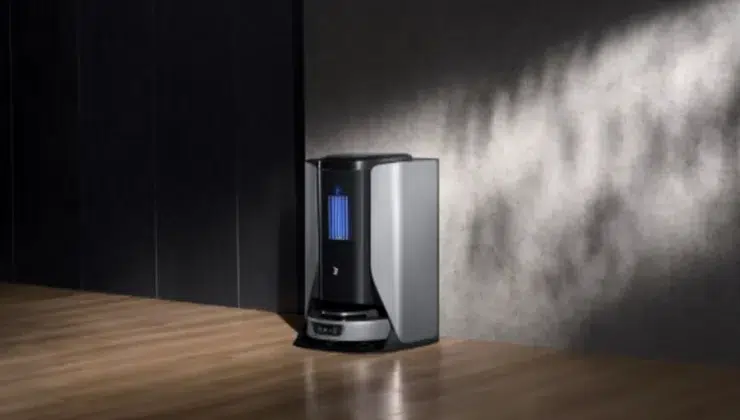
While regular vacuum robots can clean hardwood floors and tiles with ease, their suction power may not be strong enough to deal with the deeper dirt and hair that carpets tend to trap. The robot vacuum for carpet is specifically engineered to address these needs, ensuring a cleaner and more hygienic environment for carpeted homes. To enhance cleaning efficiency even further, models like bobsweep bio incorporate advanced sensors and filtration systems designed to tackle embedded debris and allergens, offering a deeper, smarter clean for every surface.
Convenience vs. Necessity
The introduction of robot vacuums for carpets has certainly added a level of convenience to daily cleaning routines. Homeowners no longer need to manually push around a heavy vacuum cleaner, nor do they have to worry about the hassle of cord management. With a robot vacuum, cleaning becomes as simple as pressing a button and letting the device take care of the rest. This is a significant advantage for busy households, especially for those with children or pets.
However, the question remains: Is this convenience a necessity or just an extra feature for those who want to make their lives even easier? While a robot vacuum for carpet might seem essential for households with large carpeted areas or pets that shed frequently, it is not necessarily a must-have for everyone. In many cases, traditional vacuums or standard vacuum robot may still do the job effectively, provided they are used regularly.
Consumer Trends and Expectations
The increasing popularity of robot vacuums reflects a growing demand for home automation solutions. Consumers are looking for products that save them time and effort, and robot vacuums, especially those designed for carpets, promise just that. But this raises an interesting question about the evolving definition of “necessity.” As technology continues to improve, it becomes harder to distinguish between what we truly need and what we simply want for the sake of comfort and luxury.
In some cases, people may perceive a robot vacuum for carpet as a luxury rather than a necessity. The higher price tag, combined with the specialized nature of the device, may make it feel like an unnecessary indulgence, especially for those who already own a regular vacuum or a general vacuum robot. However, for others, the convenience, time savings, and superior cleaning ability could make it an indispensable household tool.
Conclusion
Robot vacuums for carpets represent a unique solution for carpeted homes, offering specialized cleaning capabilities that regular vacuums might lack. While they undoubtedly add convenience to the cleaning process, whether they are a true necessity or just an extension of convenience largely depends on individual needs and lifestyle. For those with large carpets, heavy foot traffic, or pets, they may be considered an essential investment. However, for many others, the traditional vacuum or a general robot vacuum may still suffice.
Ultimately, as consumer expectations evolve with technological advancements, what constitutes a “necessity” will continue to be influenced by factors like convenience, affordability, and personal preference. The increasing demand for home automation solutions suggests that, in many cases, convenience may be the new standard, even if a product is not strictly essential.