Custom vs. Production Camper Trailers: What You Actually Get for Your Money
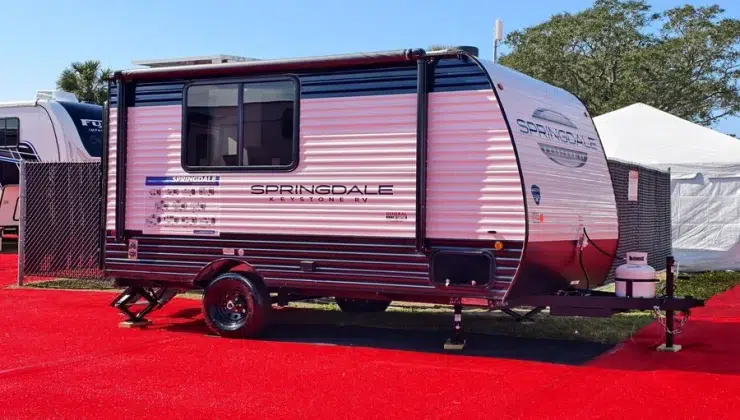
The camper trailer market is essentially divided between production and custom-made offerings. Two segments of the market charge a lot of money, but they’re for two different solutions for two different buyers. Why this separation exists where it does is important for more than you’d think, especially when it comes to spending anywhere between $20,000 and over $100,000 on something you’re hoping lasts for decades.
Production Reality
The existence of factory-made camper trailers is a testament to what’s needed to keep costs down by manufacturing in volume. A large production company could effectively build 50 of the same camper in the time it takes a custom builder to create two. As a result, the pricing is reflective. You’ll find production units starting at around $15,000-40,000 (entry level) and up to $70,000 for higher-end options.
Production means standardized design, predetermined features and less flexibility overall. One production manufacturer may offer three to five floor plans for its range plus ten options for color and a few optional upgrades. You’re basically ordering off a menu.
Yet the positive is significantly reduced cost. Additionally, production sales come with supported dealer networks, parts that are already available and found in other units and designs that have been road-tested by thousands of owners across the country. If you’re somewhere remote and you need to replace a water pump or fix an electrical issue, it will help that there’s another 500 trailers out there that are part-compatible.
Furthermore, when it comes to warranty-making, it’s generally more streamlined. The average production builder will offer 1-3-year coverage for parts that have a defined intention. The larger the company, the bigger chance it’ll still be in business ten years down the line when you still need parts.
Where Custom Builders Come In
Custom trailer builders build from the ground up. Instead of selecting from an already predetermined list of options, prospective buyers start with a blank canvas (or mostly blank). Want the bed on the opposite side? Need additional water capacity for more remote camping trips? Want a specific powder coating that matches your vehicle? A custom builder can accommodate your request.
This is important for those who otherwise wouldn’t get everything they need from a production model. Someone seeking out trips through the outback may need 200L of water instead of 80L. Families with small children may want bunks in configurations not possible through production models. Serious off-roaders tend to option out items like suspension and tires that go beyond factory allowances.
However, there are two major drawbacks, time and money. Custom units begin at about $40,000 (for basic models) and run up to $150,000+ for fully loaded expedition rigs. Build times can take upwards of three months to a year depending on the back orders and complexity of the build.
Build Quality Differences (When It Matters)
This is the subjective part. Many assume that custom means better quality due to the one-on-one attention given to every single upgrade/weld/assembly process. But in reality, many production builders use amazing materials with high-compliance methodologies and testing that’s not as available to smaller custom shops.
But custom builders are often better with exacting details. When you’re building 500 identical trailers, it’s sensical to minimize per-unit cost by focusing on efficiency and one-size-fits-all measures; a builder who builds one unit to specifications can afford time on details for every weld, cabinet setting or unique storage needs.
The biggest differences in chassis/suspension quality occur here. Many buyers looking at an camper trailer built exactly how they envision from a custom builder will want heavy-duty independent suspensions and reinforced chassis members that can withstand serious corrugations and creek crossings. A production unit may suffice but find itself wanting when it gets truly rough.
Material distinctions also occur. Heavier gauge aluminum, marine-grade stainless steel or composite materials might be more expensive through custom builders. But whether this is a priority or not is dependent on your trailer, and how you camp. A weekender who goes to only established campgrounds doesn’t need what someone who plans a six-month excursion off the beaten path might require.
The Costs Nobody Ever Tells You
There aren’t as many hidden fees when it comes to productions trailers. The price you see is essentially what you pay (barring on-road fees). Sure, you might add a few accessories down the line but what they quote you for the base unit is all-inclusive.
With custom builds, what they quote you up front is likely just for the shell of what’s possible, but additions on top of that can add up very quickly. Solar? Additional. Upgraded suspension? More money. Better mattress? More money. Another fancy tap fitting? More money. Looking at a final result that came in at around $50,000 quoted can easily turn into $75,000 once everything has been priced out.
Then there’s the buyer’s market. Reselling production trailers from reputable brands tends to hold value decently well; there’s already an established secondhand market within those brands for buyers to appeal to later on down the line, or at least recognize value where their works are concerned. Custom units usually aren’t as easy to sell because they are built per someone’s individual needs. The unique configuration you paid extra for could actually limit who wants to buy it later on.
The Support Network Factor
Production manufacturers have dealerships across geographic regions; if something breaks, you can find an authorized service center within a couple of hours’ drive at least; parts get ordered through established systems; warranty claims go through specific processes that are documented.
Custom builders typically exist under one roof somewhere; this is fine if you’re nearby but less so if you’re at least 2,000km away with a blown bearing or another issue. Some custom builders have horrible after-work customer service while others go above and beyond, you’re at the mercy of the business’s continued existence.
The parts situation also varies; production trailers use standardized parts-Dometic fridges, caravan fittings galore, common types of electrical work, while custom include more niche components requiring specific manufacturers.
Deciding What’s Best for You
Ultimately, whether or not something makes sense has to do with how you use your camper trailer, and what you’re willing to compromise.
Production makes sense if you’re camping semi-frequently but not regularly intensive; production makes sense if you care about proven designs with immediate availability; if you’re looking to test drive before you buy; if you’re planning on trading up in five-to-seven years; if you’re budgeted more than perfect specifics.
Custom builds make sense if there’s something your specific needs that aren’t met by production; if you’re going to keep the trailer for 15+ years; if you’re going into genuinely remote areas that need more investment in materials; if you’re okay waiting through the build process; if you’ve done enough camping prior to your current situation that you know exactly what works for you.
Most buyers probably fall somewhere in between, not wanting completely custom but semi-unique for their needs. Some production manufacturers offer semi-custom solutions whereby layouts can be adjusted, or certain materials can be upgraded without getting fully customized.
It’s most dangerous buying strictly based off reputation or perceived lack of quality due to how it’s built (production assembly line vs hand-crafted). None of this matters if it doesn’t suit your actual camping style, practicality and budget realities. When both sides are looking for quality goods, there’s amazing options out there for both sides and absolute rubbish options when neither field their potential buyers well enough.