Building the Perfect Production Team: Roles You Can’t Afford to Skip
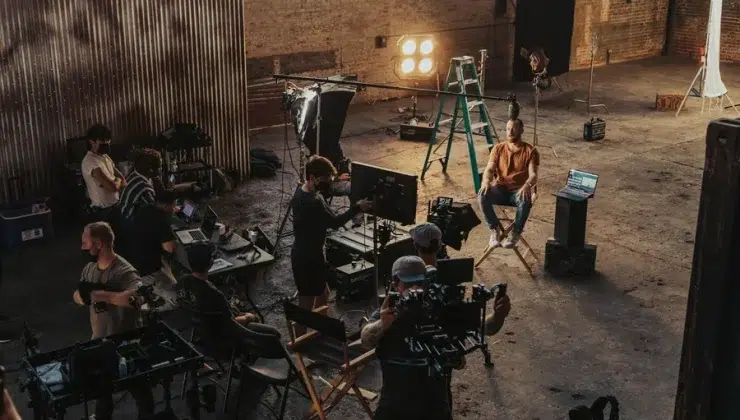
Every production starts with an idea, but it succeeds or fails based on the people who bring that idea to life. While cameras, lenses, and locations often get the spotlight, the real engine of any shoot is the crew behind it. A strong production team anticipates problems, protects the schedule, and elevates the final product in ways that aren’t always obvious until something goes wrong.
Whether you’re producing a commercial, branded video, short film, or documentary, certain roles consistently make the difference between a smooth shoot and a stressful one. Cutting corners on crew may seem tempting, especially on smaller budgets, but some positions are foundational. Skip them, and the cost often shows up later in lost time, compromised visuals, or preventable mistakes.
Here’s a breakdown of the key production roles you can’t afford to overlook, and why each one matters.
The Director of Photography (DP)
The DP sits at the intersection of creativity and technical execution. While the director defines the story and tone, the DP determines how that story looks on screen. From composition and camera movement to lens choice and lighting approach, all of these flow through this role.
A strong DP doesn’t just “make things look good.” They build a visual strategy that supports the narrative and maintains consistency across scenes. They understand how light shapes emotion, how movement affects pacing, and how technical decisions impact post-production.
On well-run sets, the DP also acts as a bridge between departments, working closely with the gaffer and key grip to ensure the lighting plan is both creative and practical.
Gaffers: The Backbone of Lighting Control
Lighting is one of the most complex and underestimated elements of production. It affects mood, continuity, and clarity, all of which can make or break a shot. That’s where the gaffer comes in.
The gaffer is the head of the lighting department, responsible for executing the DP’s lighting vision safely and efficiently. This role requires deep technical knowledge, problem-solving skills, and the ability to adapt quickly to changing conditions. Not only do they set lights, but they also manage power distribution, troubleshoot exposure issues, and make real-time adjustments that keep shots consistent across takes and locations.
On professional sets, having an experienced gaffer with access to a grip truck and lighting equipment is a major advantage. Instead of scrambling to source gear or improvise solutions, productions gain immediate control over light, power, and rigging. That efficiency protects both the schedule and the creative intent.
Depending on where you’re shooting, it’s massively important to connect with the local production teams to understand who is qualified and equipped to handle your project. You can find extremely talented folks in production hubs. You’ll find expertise has spread beyond typical hubs like LA and NYC, where an Atlanta or Denver gaffer has worked on branded content to large-scale film projects.
Grips: The Unsung Problem-Solvers of the Set
Grips work closely with the gaffer and DP, handling the physical side of light and camera support. They build rigs, mount lights, shape light with flags and modifiers, and ensure that everything on set is secure.
When weather shifts, locations change, or shots become more complex, grips are often the ones quietly engineering solutions. Their work keeps cameras steady, lighting controlled, and the set safe.
Skipping grips or understaffing this department often leads to compromised shots or unsafe conditions. Even on smaller productions, experienced grips make setups faster and more reliable.
Production Assistants (PAs): Keeping the Machine Moving
PAs are often seen as entry-level crew, but their impact is significant. They manage communication, help with logistics, control set flow, and solve small problems before they become big ones.
Good PAs free up department heads to focus on their actual jobs. They keep things organized, prevent bottlenecks, and maintain momentum throughout the day. A production without enough PAs tends to feel chaotic. Tasks pile up. Communication slows. Small delays ripple outward. Investing in capable PAs is one of the simplest ways to improve efficiency on set.
Set Designers and Art Department: Shaping the World On Camera
Visual storytelling goes beyond the camera and lighting; the environment matters, too. Set designers and art directors shape the space where the story unfolds, controlling color, texture, and detail.
Even minimal productions benefit from art direction. A thoughtfully dressed space looks intentional on camera and reduces the amount of “fixing it in post.” It also helps actors and talent feel grounded in the scene.
When art direction is ignored, productions often struggle with visual inconsistency or environments that distract from the message.
Why These Roles Work Best as a System
What makes these roles essential is how they work together. A DP’s vision relies on a gaffer’s execution. A gaffer’s lighting plan depends on grips for rigging and control. PAs keep the entire operation moving. Art department choices affect how lighting behaves on camera.
When one role is missing or under-supported, others are forced to compensate. That’s when quality suffers, and stress rises. Productions that prioritize experienced crew, especially in technical roles such as lighting and grip, tend to run more smoothly, stay safer, and produce more consistent results.
Building Smarter, Not Bigger
Building the perfect production team doesn’t mean hiring the largest crew possible. It means hiring the right crew for the project’s scope. A smaller team with clearly defined roles and strong experience often outperforms a larger, underqualified one.
In markets like Denver and Houston, where the production scene has matured rapidly, crews bring both indie adaptability and commercial-level professionalism. Leveraging experienced local talent, including a gaffer equipped with a grip truck and lighting gear, allows productions to scale intelligently without unnecessary complexity.
Crew Is an Investment, Not a Line Item
It’s easy to focus on cameras, locations, and deliverables when budgeting a production. But the crew is what protects all of those investments. Strong teams prevent mistakes, solve problems quietly, and elevate the final product in ways that are hard to quantify but easy to recognize.
When building your next production, think beyond job titles. Think about systems, collaboration, and experience. The right crew will help you get it right and create something you’re proud to share.