Anime Sword: What Makes the Swords in Demon Slayer and Other Anime So Memorable
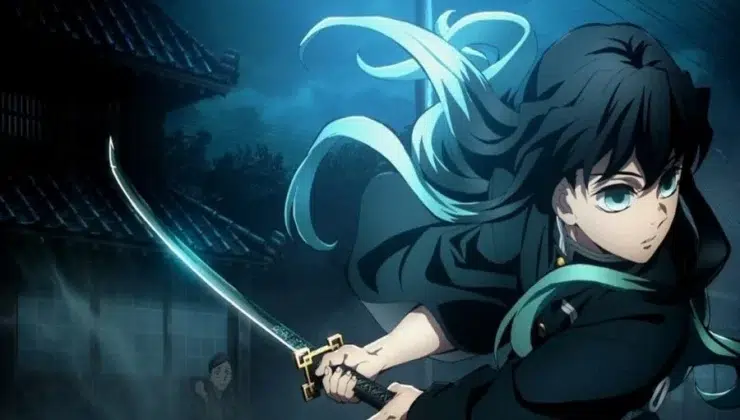
Look, I’ll be honest with you. When I first watched Demon Slayer, I didn’t expect to become obsessed with fictional swords. But here we are. There’s something about the way anime handles blade weapons that just hits differently than live-action films or Western animation. The colors, the sounds, the backstories—everything combines to make these weapons feel less like props and more like characters themselves.
So what’s the deal? Why do we remember Tanjiro’s black Nichirin blade or Ichigo’s massive Zanpakuto years after finishing a series? Let’s dig into what makes these weapons so unforgettable.
The Visual Design That Sticks With You
Anime creators understand something fundamental: a weapon should be recognizable from a single frame. Think about how instantly you can identify Zoro’s three swords or Inuyasha’s Tessaiga. That’s not accidental.
The anime sword design philosophy goes way beyond “make it look cool.” These blades often feature impossible proportions, vibrant colors, or unique shapes that would never work in real life. And that’s exactly the point. When Tanjiro pulls out his sword in the sword of the demon hunter anime, you’re not seeing a historically accurate katana. You’re seeing a blade that changes color, represents his fighting style, and carries deep symbolic meaning.
Color Theory and Symbolism
Colors in anime aren’t just pretty—they tell stories. The Nichirin blades in Demon Slayer shift colors based on the wielder’s personality and breathing technique. Blue represents water, red embodies flame, and black remains mysterious and rare. This visual shorthand helps viewers instantly understand character traits without lengthy exposition.
Other series use similar tricks. Soul Eater’s weapons literally transform into people. Bleach color-codes its spiritual pressure. These design choices create immediate visual recognition and deeper narrative connections.
The Backstory Makes the Blade
Here’s where anime really separates itself from other media. Most action movies give their heroes weapons without much explanation. Anime? Every significant anime sword gets a full biography.
The sword of the demon hunter anime doesn’t just show characters fighting with cool weapons. Each blade has a history. Tanjiro’s sword comes from a specific ore found on a particular mountain. The swordsmith who forges it has his own personality and quirks. The blade’s color reveals information about its wielder’s soul. That’s three layers of storytelling for one weapon.
This approach creates emotional investment. When a sword breaks in anime, it matters. When a character receives a new blade, it marks genuine character growth. The weapons become narrative devices, not just tools for fight scenes.
Three Ways Anime Builds Sword Lore
Anime series use specific techniques to make their weapons memorable:
- Origin stories that matter – The best anime swords have creation myths. Demon Slayer’s Nichirin blades require sunlight-absorbing ore. Inuyasha’s Tessaiga was forged from their father’s fang. These origins connect weapons to the world’s mythology and give them weight beyond their physical presence.
- Power progression systems – Swords grow with their users. Ichigo’s Zanpakuto evolves through multiple forms. Each transformation reflects his character development and power increases. This creates anticipation—viewers want to see the next evolution.
- Emotional bonds between wielder and weapon – The relationship between character and blade often mirrors human relationships. Some swords choose their wielders. Others require trust to unlock full power. This dynamic adds emotional depth to action sequences.
The Sound Design Nobody Talks About
Close your eyes and think about an anime sword being drawn from its sheath. You heard that sound, didn’t you? That distinctive metallic ring that never happens with actual swords?
Audio plays a huge role in making these weapons memorable. Each anime sword typically has its own sound profile. The hum of energy weapons, the clash of spiritual steel, the whoosh of elemental attacks—these auditory signatures become as recognizable as the visual designs.
The sword of the demon hunter anime excels at this. Each breathing technique has unique sound effects. Water Breathing creates flowing, liquid sounds. Thunder Breathing crackles with electricity. These audio cues enhance immersion and make fight scenes more dynamic.
Where Action Meets Artistry
Fight choreography in anime operates under different rules than live-action cinema. Physics? Optional. Logic? Negotiable. What matters is visual impact and emotional resonance.
When characters clash swords in anime, you get speed lines, dramatic lighting changes, impact frames, and environmental destruction. The animation emphasizes the force and importance of each strike. A single sword swing might take five seconds of screen time with multiple camera angles and reaction shots.
This theatrical approach makes every fight feel significant. Even training scenes carry weight because the animation treats sword practice with the same intensity as life-or-death battles.
The Three Elements of Memorable Sword Fights
Great anime sword battles share common elements:
- Technique revelation – Characters often announce or explain their moves. This might seem silly, but it builds tension and helps viewers understand what’s happening. When Tanjiro calls out “Water Surface Slash,” you know something specific is about to happen.
- Environmental interaction – The best fights use surroundings creatively. Swords cut through buildings, deflect natural elements, or interact with terrain in impossible ways. This makes battles feel bigger and more consequential.
- Emotional stakes clearly defined – Anime fights work because we understand what’s at risk. The sword becomes an extension of the character’s will, determination, or desperation. Physical combat represents an internal struggle made external.
The Cultural Connection
Japanese swords carry cultural significance that anime both honors and reimagines. The katana represents the samurai code, craftsmanship, and historical legacy. Anime takes these associations and amplifies them into fantasy while maintaining respectful nods to tradition.
Series like Demon Slayer show the forging process, the relationship between swordsmith and warrior, and the ritual aspects of blade maintenance. These details ground fantasy elements in cultural authenticity, making the impossible feel somehow plausible.
Where to Experience the Magic Yourself
Curious about where to watch the Demon Hunter anime with swords? You have several choices. Demon Slayer is available on Crunchyroll, Netflix, and Hulu, but this depends on where you live. The show just wrapped up its third season, and you can find the movie Mugen Train on most big streaming platforms.
Want to check out other cool anime series with swords? Crunchyroll has the biggest collection. Shows like Bleach, Sword Art Online, and Rurouni Kenshin all have their own unique take on sword fights and storytelling.
The question of where to watch the Demon Hunter anime with swords also includes the manga, if you like to read. The whole Demon Slayer manga gives you more background and details that sometimes get cut down in the TV version.
Why These Swords Stay With Us
At the end of the day, memorable anime swords work because they’re more than weapons. They’re symbols, storytelling devices, and visual anchors that help define an entire series. The combination of striking design, rich backstory, and spectacular action creates something that sticks in your memory long after the credits roll.
The anime sword has become its own art form within the medium. Each series tries to top previous ones with more creative designs, deeper lore, and more spectacular fight choreography. And honestly? We’re all better for it.
Whether you’re watching the sword of the demon hunter anime, where to watch options include multiple streaming platforms, or diving into classic samurai anime, you’re experiencing a unique fusion of art, culture, and pure entertainment. These swords matter because creators make them matter—through careful design, thoughtful storytelling, and spectacular execution.
That’s what makes them unforgettable. Not just the flash and spectacle, but the heart behind the steel.