The Hidden Driving Risks Behind America’s Biggest Sporting Moments
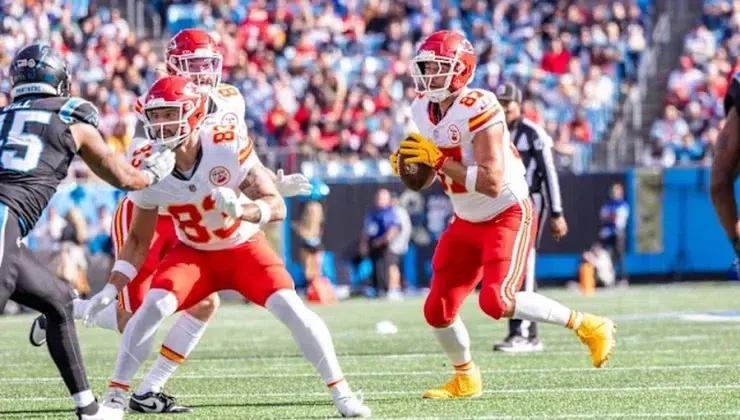
Every year, major sporting events reshape traffic patterns across the United States. Fans travel to watch parties, bars, stadiums, and family gatherings, often energized by team spirit and the music that comes with it. A new data driven analysis from Anidjar and Levine reveals that the songs and chants tied to professional sports teams can meaningfully influence driver behavior. The findings show that musical tempo, emotional intensity, and lyrical structure all play a role in how safely people drive, especially during high energy events.
This study arrives in the context of a broader national problem. Distracted driving continues to be one of the most persistent roadway hazards in the country. Music is a major contributor to that risk, shaping mood, reaction time, and decision making behind the wheel. When combined with the excitement of major games, the effects become even more pronounced.
The Scale of Distraction on American Roads
The study begins by outlining the scope of distraction related crashes nationwide. Data from the Defensive Driving Institute shows that 400,000 crashes in 2024 were caused by distracted driving. These incidents often involve rear end collisions, lane departures, and sideswipes, all of which are common outcomes when a driver’s attention drifts.
Federal data adds further context.
Key national findings
- In vehicle distractions, including music, contribute to 25 percent of all traffic accidents.
- These distractions account for 30 percent of all traffic fatalities.
- In 2023, 12,429 people died in crashes linked to distraction.
The National Highway Traffic Safety Administration identifies music as a significant factor because it alters cognitive processing and emotional state. Teen drivers are especially vulnerable. Research from the AAA Foundation for Traffic Safety shows that 93 percent of teens adjust music or change tracks while driving, which increases crash risk.
Why Music Matters Behind the Wheel
The study highlights the role of tempo, measured in beats per minute, or BPM. Tempo influences how fast people drive, how often they change lanes, and how well they maintain awareness of their surroundings.
Key findings on BPM
- Songs above 120 BPM are linked to speeding, sudden lane changes, and elevated crash risk.
- High energy songs can trigger adrenaline spikes that narrow peripheral vision, a phenomenon known as cognitive tunneling.
- Slower songs encourage steadier driving and better speed control.
- Music between 80 and 100 BPM falls into a balanced zone that keeps drivers alert without overstimulation.
Additional research cited in the study reinforces these conclusions. London Metropolitan University found that drivers listening to loud or fast paced music experienced 20 percent slower reaction times. University College London reported that lyrical music can reduce a driver’s ability to perform complex tasks by up to 25 percent.
The study also notes that familiar songs can reduce some of the risk because drivers tend to process them more easily. However, familiarity does not eliminate the effects of tempo or emotional intensity.
How Team Anthems Shape Driver Behavior
Sports related songs and chants are designed to energize crowds. They are loud, rhythmic, and emotionally charged. When played in a vehicle, they can heighten adrenaline and reduce focus, especially when fans are already excited from a game.
The study compares songs and chants across the NFL and other major leagues to determine which ones carry the highest distraction risk. The findings show a clear pattern: the faster the tempo, the higher the risk.
Ten most distracting sports songs and chants
| Song or Chant | Artist | BPM | Risk Level | League |
| Kernkraft 400 | Zombie Nation | 140 | High | MLB, NFL, NBA, NHL |
| Sea Hawks | Crowd chant | 140 | High | NFL |
| Crazy Train | Ozzy Osbourne | 138 | High | NFL, NCAA |
| Skol | Crowd chant | 138 | High | NFL |
| Sandstorm | Darude | 136 | High | NFL, NBA, MLB |
| Thunderstruck | AC DC | 134 | High | NFL, NBA |
| Bang Bang Niner Gang | Crowd chant | 130 | High | NFL |
| Song 2 | Blur | 130 | High | NBA, NHL, Soccer |
| I Am Shipping Up to Boston | Dropkick Murphys | 129 | Elevated | NBA, NFL |
| Pepas | Farruko | 128 | Elevated | NBA, NFL |
These songs share several characteristics. They are fast, loud, and designed to build intensity. Many are used in stadiums to energize fans, which makes them popular choices for game day playlists. That same energy, however, can create dangerous conditions on the road.
Ten least distracting sports songs and chants
| Song or Chant | Artist | BPM | Risk Level | League |
| Hallelujah | Leonard Cohen | 56 | Low | MLB, NFL |
| Sweet Caroline | Neil Diamond | 63 | Low | MLB, NFL |
| We Are the Champions | Queen | 64 | Low | MLB, NFL, NBA |
| Hey Jude | The Beatles | 72 | Low | MLB, NFL |
| Lean on Me | Bill Withers | 72 | Low | MLB, NFL |
| Piano Man | Billy Joel | 72 | Low | MLB, NFL |
| Stand By Me | Ben E. King | 72 | Low | MLB, NFL |
| Take Me Out to the Ball Game | Traditional | 72 | Low | MLB |
| America the Beautiful | Traditional | 76 | Low | MLB, NFL |
| God Bless America | Traditional | 76 | Low | MLB, NFL |
These songs are slower, more melodic, and less likely to trigger adrenaline spikes. Their predictability and emotional tone help drivers maintain focus.
The Super Bowl Effect on Roadway Risk
Although the Super Bowl has already passed, the data in the study provides important insight into why the day consistently ranks among the most dangerous for drivers. The combination of alcohol, excitement, and high energy music creates a perfect storm for distraction and impaired decision making.
Key findings
- Drunk driving rates increase by 40 percent on Super Bowl Sunday.
- Alcohol related traffic fatalities are 74 percent higher than the previous Sunday.
- On February 12, 2023, which was Super Bowl Sunday, 83 drivers died.
The states with the highest number of fatalities on that date were:
| State | Total Fatalities |
| Texas | 13 |
| California | 9 |
| Virginia | 5 |
| Tennessee | 4 |
| Arizona | 3 |
These numbers show how major sporting events amplify existing risks. Music is only one factor, but it interacts with alcohol consumption, emotional arousal, and heavy traffic to create dangerous conditions.
Gender Differences in Distraction Related Crashes
The study also highlights a significant gender gap in distraction related fatalities.
- In 2023, 2,228 male drivers died in distraction related crashes.
- During the same period, 849 female drivers died.
- Men accounted for 72.41 percent of all distraction related fatalities.
The study notes that men are more likely to interact with in car technology, including touchscreens, which increases risk. Modern vehicles rely heavily on digital interfaces, and this trend appears to amplify distraction for certain groups of drivers.
Why Sports Music Raises the Stakes
Sports related music carries emotional weight. It is designed to build hype, strengthen group identity, and energize fans. When played in a vehicle, these qualities can impair decision making.
Key behavioral effects
- High BPM songs increase agitation for 35 percent of drivers.
- Loud or fast paced music slows reaction time by 20 percent.
- Cognitive tunneling reduces peripheral awareness.
- Emotional arousal can impair judgment.
These effects help explain why certain team chants rank among the most distracting in American sports.
Lessons for Future Sporting Events
Although this year’s Super Bowl has concluded, the findings from the study offer valuable guidance for future events. Fans often underestimate how much music influences their driving behavior. By understanding the risks, drivers can make safer choices.
Safety recommendations
- Plan a sober ride before attending a major sporting event.
- Avoid high BPM songs if you will be driving.
- Wait at least 90 minutes after a major game before getting behind the wheel.
- Wear a seat belt.
- Watch for signs of impaired drivers.
- Use rideshare or taxi services if drinking.
These steps can significantly reduce the likelihood of crashes on days when excitement runs high.
A Broader Look at Music and Road Safety
The study from Anidjar and Levine shows that music is not just background noise. It is a measurable factor in driver behavior, especially during emotionally charged events. High energy songs can elevate risk, while slower songs can help maintain focus. When combined with alcohol consumption and the excitement of major games, the effects become even more pronounced.
Understanding these patterns can help drivers make safer choices, and it can help public safety officials better prepare for high risk days on the calendar. Sporting events will always bring energy and enthusiasm, but with greater awareness, they do not have to bring elevated danger to the roads.