Why Should Parents Take Their Kids to Visit a Children’s Museum
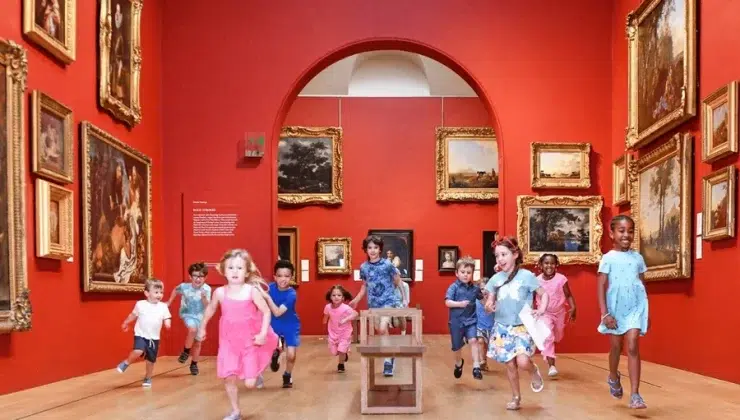
Children’s museums provide a space where curiosity meets creativity. These places invite kids to explore, ask questions, and discover through play. Every visit feels like an adventure, with each corner offering something new.
When families visit a children’s museum, they gain a chance to see their children learn in ways that go beyond textbooks. The excitement in a child’s eyes as they figure out how something works is priceless. More than entertainment, a children’s museum creates real educational value. It sparks interest in art, science, and culture. Families walk out with memories that stay for years. A trip to such a museum can turn an ordinary day into an inspiring experience.
1. A Place That Encourages Curiosity
Curiosity drives every child’s desire to learn. Children’s museums create an environment that fuels this natural trait. Every exhibit invites hands-on exploration that keeps kids active. Parents see their children light up as they interact with real-world concepts. Each display pushes children to ask questions and think deeper.
Instead of simple observation, they participate and experiment. These actions help them connect ideas and apply them in new ways. When curiosity grows, confidence grows as well. A museum visit helps kids see how fun learning can be. That sense of wonder stays long after the trip ends.
2. Learning Through Play
Play forms the foundation of proper development. A children’s museum uses play to teach key life skills. Kids build, touch, and create as they move through exhibits. This type of activity teaches problem-solving without pressure. It also builds focus and coordination in a natural way. The interactive nature of exhibits keeps kids involved and excited.
Parents see their children make progress while having fun. Play helps children develop communication and teamwork as they share experiences. It also strengthens emotional control as they learn to wait, take turns, and express themselves. Every playful moment adds to growth in subtle yet meaningful ways.
3. Exposure to Art, Science, and Culture
Children’s museums open the door to a wide range of subjects. Art areas let children paint, sculpt, or build creative projects. Science sections explain natural forces, space, and technology in simple terms. Cultural exhibits highlight stories, traditions, and ideas from around the world.
Exposure to diverse themes broadens a child’s perspective. Parents appreciate how museums make complex topics easy to grasp. Kids gain a sense of respect for other cultures and ways of life. These early lessons encourage empathy and curiosity about the world. They start to connect creativity with learning. This variety makes every museum visit fresh and inspiring.
4. Building Family Bonds
Family trips to a children’s museum strengthen connections. Parents and kids share laughs, discoveries, and surprises together. These moments create shared stories that families cherish. Instead of just watching their children, parents participate beside them.
This shared engagement brings a sense of unity and joy. Museums provide an environment free of screens and distractions. Families spend quality time where learning feels natural and fun. Parents see their children’s personalities emerge through exploration.
5. Boost Confidence and Creativity
Children feel proud when they figure something out on their own. Museums give them safe spaces to experiment without fear of mistakes. Completing small challenges or solving puzzles boosts their confidence. Creative exhibits encourage free expression through art, construction, and imagination.
Each success gives a sense of achievement that motivates them to try more. Parents notice improved problem-solving and communication after visits. The setting also promotes independent thought and decision-making. Children gain the courage to explore their interests without hesitation.
A visit to a children’s museum gives far more than a day of entertainment. It creates a blend of learning, laughter, and togetherness. A single afternoon surrounded by color, sound, and discovery can inspire a love for knowledge.