How To Choose The Right Champagne For Every Festive Occasion
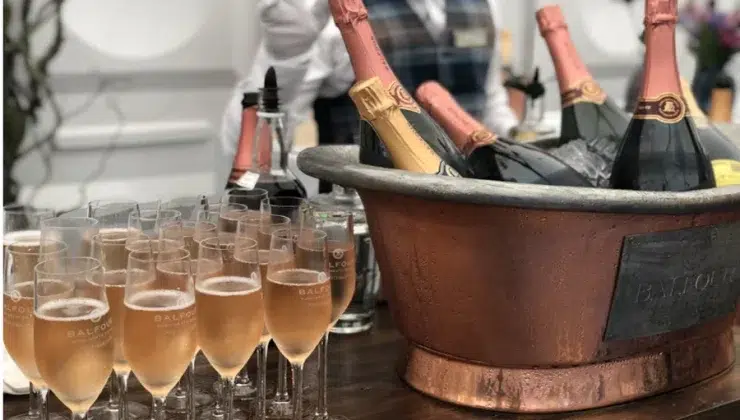
There’s something timeless and joyful about the sound of a Champagne cork popping. Whether it’s a wedding, a milestone birthday, or even a casual dinner party, Champagne has a way of transforming any moment into a celebration. But with so many varieties on the market, choosing the right one can feel overwhelming. From crisp, dry styles to richer, sweeter blends, understanding what makes each bottle unique can help you find the perfect fit for every occasion.
When it comes to iconic choices, GH Mumm Champagne often comes to mind for its vibrant bubbles and balanced flavor. But beyond the label, the secret to picking the right Champagne lies in knowing what mood, food, and experience you want to create. The good news? You don’t need to be a sommelier to get it right you just need a few simple tips.
Understanding Champagne Styles
Champagnes are not all alike. Their dosage (sugar content) and grape combination will decide how sweet or dry the end product is. These differences affect the taste as well as the manner in which the Champagne will go with the food or the mood of the celebration. Knowing the various levels of sweetness allows you to select a bottle with confidence, according to your taste and the nature of your celebration.
One of the most popular styles, Brut Nature (or Extra Brut), is very dry with no or hardly any sugar and is appreciated by purists who like a clean, crisp finish. The most popular and accessible style is Brut, suitable for nearly any occasion, while Extra Dry offers a slightly sweeter and smoother, easy-to-drink style. For those who prefer sweeter flavors or plan to pair Champagne with desserts, Demi-Sec and Doux are perfect companions for cakes, tarts, or creamy treats. If you’re unsure where to start, go with Brut, the timeless crowd-pleaser that fits every celebration.
Pairing Champagne with the Occasion
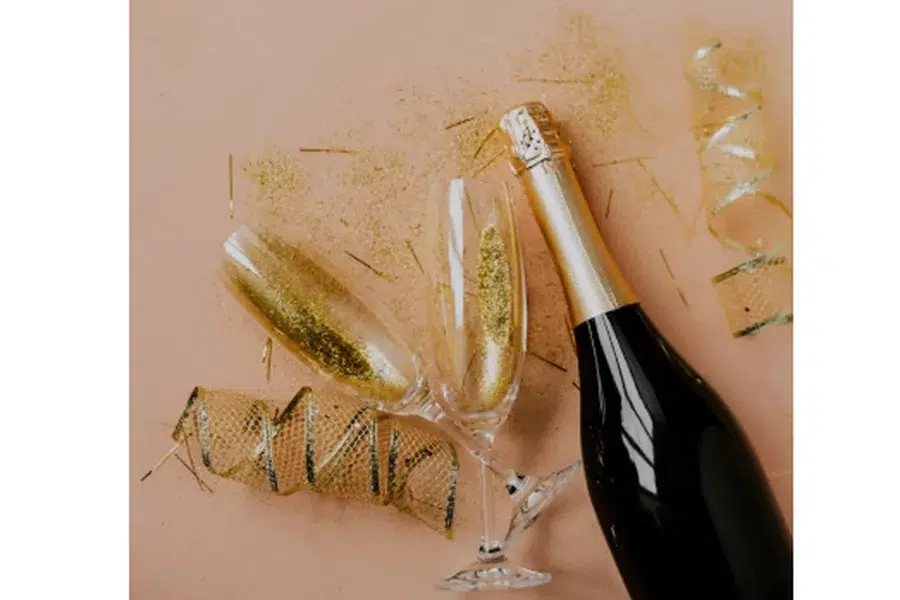
Every occasion has its own unique energy level, and Champagne needs to fit that environment. Take a look at this guide to help you make the perfect decision:
1. Weddings and Anniversaries: Go for Elegance
A wedding anniversary dinner or anniversary meal requires something sophisticated but celebratory. Use vintage Champagne, made from grapes that all arrived in one excellent year. Its richness is a testament to the event’s depth. Look for scents of brioche, honey, and roasted nuts to add luxury.
2. Birthdays and Milestones: Add Some Sparkle
For birthday or achievement parties, your standby is a non-vintage Brut. These are made to be consistent, crisp, fresh, and pale enough for anyone to drink. They’re ideal for big parties where you don’t want anyone to have to accept anything other than that.
3. Casual Gatherings and Brunches: Keep It Light
Not all Champagne moments must be dramatic. For everyday brunches or a small party, try a Blanc de Blancs (made from all Chardonnay grapes). Its crisp, citrusy notes pair well with seafood, salads, or even fried chicken. It’s sophisticated but easy to sip.
4. Festive Holidays: Indulge and Experiment
Christmas, New Year’s Eve, or Thanksgiving require something special. This is the time to experiment with Rosé Champagne, bold, fruity, and eye-catching. It is an excellent accompaniment to richer food like roast duck or glazed ham, and it will instantly add glamour to your table.
How to Read Champagne Labels
Interpreting Champagne labels is among the largest issues for occasional consumers. Each word on the label tells us something about the quality and personality of the wine. Brut, Extra Brut, and Demi-Sec, for instance, indicate how dry or sweet the Champagne is. Blanc de Blancs suggests it is made entirely from Chardonnay grapes, resulting in a light and elegant style, whereas Blanc de Noirs is made from Pinot Noir or Pinot Meunier, which produces a richer, fuller style.
You’ll also notice the terms Vintage and Non-Vintage (NV) on labels. A Vintage Champagne is made using grapes harvested from a single excellent year, typically with more depth of complexity and potential for aging. Non-Vintage Champagne blends wines from multiple years to maintain a consistent house style. Once you get used to these terms, you’ll be able to pick a bottle with confidence, whether for a quiet dinner or a grand celebration.
Food Pairing: Getting the Most Out of Every Sip
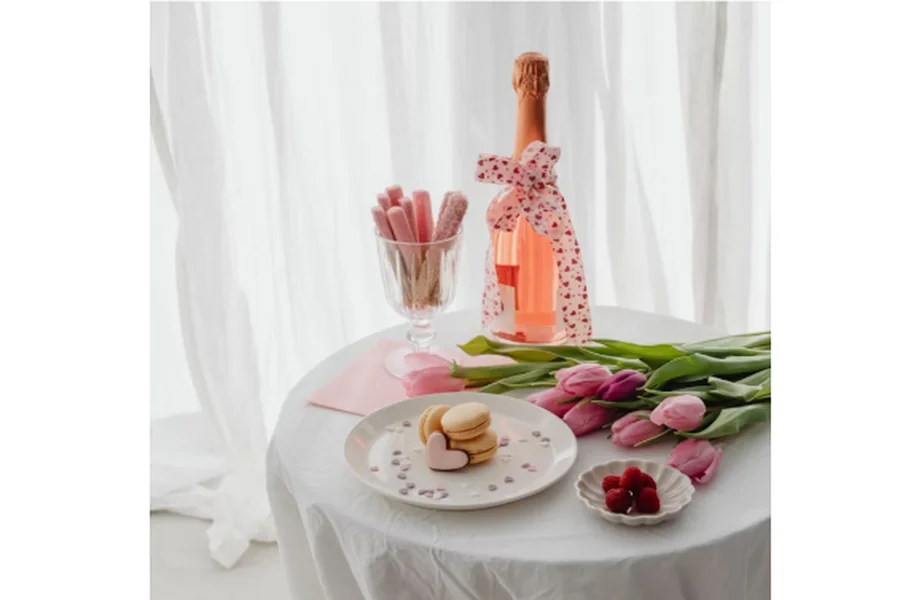
Champagne isn’t just for toasting, it’s also a very versatile food companion. The right pairing can unlock concealed flavors in both food and drink. Brut Champagne pairs perfectly with oysters, sushi, or other light starters, while Rosé Champagne brings a fruity contrast to richer fare like duck, lamb, or berry puddings. For sweet lovers, Demi-Sec Champagne pairs perfectly with creamy cheeses, tarts, and fruit-based desserts.
When you’re serving something more indulgent, Vintage Champagne shines alongside luxurious dishes like foie gras, truffle pasta, or lobster. Its depth and maturity create a harmonious contrast with rich textures and flavors. And if you’re ever unsure about pairings, remember that Champagne’s natural acidity cuts through fatty or savory foods, making it one of the most adaptable and enjoyable beverages at any table.
Serving Tips for Maximum Enjoyment
You’ve chosen the perfect bottle now it’s time to serve it right. The Champagne experience is as much about presentation as it is about flavor. Always chill your bottle between 45°F and 50°F (7°C–10°C); too cold and you’ll mute the aroma, too warm and it may lose its sparkle. When it comes to glassware, tulip-shaped glasses are best for capturing the aroma, though flutes remain a timeless choice for their elegance.
For serving, lean the glass and pour slowly to preserve those effervescent bubbles. And to preserve your Champagne for future celebrations, store bottles horizontally in a cool, dark place away from vibration and light. These few details can make a difference and make even a cheap bottle feel like a luxury.
Choosing Champagne on a Budget
A fine Champagne taste doesn’t necessarily mean a bulging wallet. Non-vintage wines from most of the major houses are affordable but still well made. For a large group, try small producers or “grower Champagnes.” They are produced by vineyard owners and are frequently good value for the money.
Or, if you prefer something that has cachet but not inordinately expensive, you have large Champagne houses that offer a dependable marriage of quality, taste, and price, great for connoisseurs and drinkers alike.
Making Every Toast Memorable
At its essence, Champagne is not just luxury but moments. Intimate dinner parties, once-in-a-lifetime gatherings, the ideal bottle prescribes an environment of happiness, sharing, and gratitude. Whether indulging in champagne for a special occasion or visiting the wine shop to pick up new labels for a casual get-together, it ultimately all depends on the memory that’s left once the glass is empty.
So, the next time you’re standing in front of a sparkling display, don’t stress about getting it “perfect.” Follow your instincts, think about the occasion, and let the bubbles do the rest. After all, every celebration deserves a touch of sparkle, and every toast deserves to be remembered.