The Viral Home Tours Making Millennials Rethink Homeownership
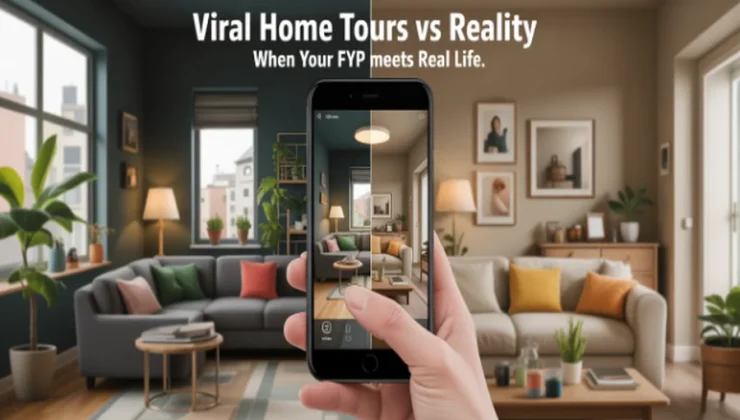
Picture this: It’s 2 AM, you’re lying in bed scrolling TikTok, and suddenly you’re deep in a rabbit hole of perfectly curated apartment tours. The ring light is hitting just right, the plants are thriving, and somehow this 23-year-old influencer has a walk-in closet bigger than your entire living room. You screenshot the aesthetic kitchen setup, save the video, and start questioning every life choice that led you to your current studio apartment.
If this sounds familiar, you’re not alone. Viral home tours have become the internet’s newest obsession, and they’re doing way more than just entertaining us during late-night scroll sessions. They’re fundamentally changing how an entire generation thinks about homeownership, lifestyle goals, and what constitutes “success” in your twenties and thirties.
From tiny house tours that make minimalism look impossibly chic to celebrity home reveals that set the bar somewhere near Mars, social media has transformed house hunting from a practical necessity into a form of entertainment – and aspiration – that’s reshaping the housing market itself.
When Your FYP Becomes Your Life Plan: The Viral Home Tour Takeover
The numbers are wild. Home tour content on TikTok has generated over 2.8 billion views, with hashtags like #hometour, #apartmenttour, and #housetour dominating feeds worldwide. Instagram home accounts boast millions of followers who religiously consume curated living spaces like they used to follow fashion influencers.
But here’s where it gets interesting: this isn’t just mindless entertainment. Studies show that 67% of millennials and Gen Z report that social media content directly influences their housing decisions. We’re not just watching these tours – we’re using them as blueprints for our own life plans.
The algorithm has figured out our weakness. It serves us the perfect balance of aspirational and achievable content. One minute you’re watching a $12 million celebrity mansion tour (pure fantasy), the next you’re seeing a recent grad transform their $800/month studio into an aesthetic paradise (suddenly very doable).
The Psychology of the Scroll
There’s something hypnotic about home tours that goes beyond regular interior design content. Maybe it’s the voyeuristic thrill of seeing how other people actually live, or maybe it’s the promise that the right space could transform our entire existence. Either way, we’re hooked.
The comment sections tell the story: “I’m 26 and this makes me feel like I’m behind in life,” “Adding this to my vision board,” “Time to redo my entire apartment again.” These aren’t just casual viewers – these are people using viral content as a measuring stick for their own success.
From Scrolling to Searching: How Social Media Shapes Housing Dreams
The pipeline from viral content to real estate searches is more direct than you might think. Real estate platforms report that searches for “aesthetic apartments,” “plant-friendly homes,” and “maximalist decor” have skyrocketed alongside the rise of home tour content.
Young buyers aren’t just looking for functional housing anymore – they want Instagram-ready spaces that reflect their digital identity. The kitchen island isn’t just for cooking; it’s a potential content creation station. The living room needs to be “stories-ready” with good natural light and interesting textures.The city’s demand for apartments for sale in Bangalore continues to grow, driven by IT hubs, improved metro connectivity, and lifestyle-focused projects.
As viral home content influences real housing decisions, comprehensive property search and market information for social media-influenced buyers helps young buyers transition from social media inspiration to actual property searches, providing realistic market insights that bridge the gap between viral content dreams and housing reality.
The Aesthetic Arms Race
What started as sharing living spaces has evolved into a full-blown aesthetic competition. The bar keeps rising: exposed brick walls, statement plants, vintage furniture, carefully curated book collections, and lighting that would make a professional photographer jealous.
The pressure to create “content-worthy” spaces has young renters and buyers prioritizing visual appeal over practical considerations. That trendy loft with terrible insulation but great natural light? Perfect for content, brutal for utility bills.
Platform-Specific Influence
Each platform shapes housing desires differently. TikTok’s short-form format celebrates dramatic reveals and clever space-saving hacks. Instagram rewards perfectly curated static shots that make spaces look like magazine spreads. YouTube’s longer format allows for detailed tours that showcase lifestyle integration.
Pinterest has become the digital vision board, driving searches for specific design elements that users screenshot and save. The platform reports that housing-related pins have increased 340% over the past three years, with millennials leading the charge.
The Reality Behind the Ring Light: What Viral Home Tours Don’t Show
Here’s the plot twist nobody talks about: most viral home content is as staged and filtered as any other social media performance. The perfectly organized closets get messed up five minutes after filming. The minimalist kitchens have all their actual cooking supplies hidden in cabinets. The plants are strategically positioned for the shot and immediately moved back to their actually-functional locations.
I spoke with several content creators who’ve gone viral with home tours, and the behind-the-scenes reality is illuminating. One TikToker admitted she spends 3-4 hours staging her apartment before filming a “casual” morning routine video. Another revealed that her aesthetic bedroom setup is completely impractical for actual sleeping – but it photographs beautifully.
Understanding the real market behind viral home content requires access to authentic property data and pricing information. Authentic real estate data helping separate viral content from market reality provides young buyers with honest market analysis, helping separate social media fantasy from achievable housing goals within actual budgets.
The Financial Reality Check
While creators showcase their “affordable” apartment transformations, they often skip mentioning the hidden costs. That $200 thrift store transformation? It actually cost $800 after multiple shopping trips, returned items, and the pieces that didn’t make it to the final video.
The biggest omission is location context. A spacious, affordable apartment in Ohio gets the same viral treatment as an expensive studio in Manhattan, creating unrealistic expectations about what’s possible in different markets.
The Labor Behind the Lifestyle
Maintaining an Instagram-ready home is essentially a part-time job. The content creators making viral home tours work constantly to keep their spaces camera-ready. The rest of us see the final result and assume it’s effortlessly achievable.
Real talk: most people don’t have the time, energy, or resources to maintain spaces that look good enough for viral content. The cognitive load of constantly curating your living environment for social media can be exhausting and financially draining.
Celebrity Cribs 2.0: How Influencer Homes Set Impossible Standards
Remember MTV Cribs? That feels quaint compared to today’s celebrity home content. Now we get detailed Instagram Stories walkthroughs, TikTok room tours, and YouTube house hunting vlogs that provide unprecedented access to how the ultra-wealthy live.
The problem isn’t just the obvious wealth gap – it’s how normalized these luxury standards have become. When Architectural Digest celebrity home tours rack up millions of views, and influencers casually showcase $50,000 kitchen renovations, the line between inspiration and aspiration inflation gets dangerously blurred.
Influencer Economics vs Reality
The trickiest part is the influencer middle tier – creators who present “relatable” content while actually operating with significant financial advantages. Their “affordable” home transformations often rely on brand partnerships, gifted furniture, and monetized content that offsets costs.
Young viewers see the aesthetic results without understanding the economic infrastructure that makes it possible. This creates a false sense of what’s achievable on a regular salary without a personal brand and corporate partnerships.
The Authenticity Problem
As home tours become more professionally produced and brand-integrated, the authenticity that made them appealing in the first place gets lost. Spaces start looking like showrooms rather than homes where people actually live.
The most viral content often features homes that prioritize visual impact over livability – beautiful to look at, impractical to inhabit.
The FOMO Factor: Why Viral Properties Make Us Question Our Choices
The constant exposure to curated home content creates a unique form of housing FOMO that previous generations never experienced. Before social media, you might occasionally see a friend’s beautifully decorated space or flip through a magazine. Now you’re exposed to hundreds of “perfect” homes every day.
This digital bombardment affects how we perceive our own spaces and housing decisions. Your perfectly functional apartment starts feeling inadequate when you’re constantly comparing it to carefully curated content. The psychological impact is real: studies show increased anxiety and dissatisfaction with living situations among heavy social media users.
The Comparison Trap
The algorithm doesn’t care about your budget, location, or life circumstances – it just serves you an endless stream of aspirational content. You’re a recent graduate with student loans watching trust fund kids decorate their first apartments with designer furniture. You’re a family trying to buy your first home seeing couples your age showcasing their third property flip.
The lack of financial transparency in most home content makes these comparisons particularly harmful. Viewers rarely get honest information about how creators afford their lifestyle, leading to unrealistic self-expectations and financial decisions.
Decision Paralysis and Perfectionism
The abundance of options and inspiration can actually make housing decisions harder. Why settle for the perfectly good apartment when you’ve seen 47 different aesthetic styles that could work? The pursuit of the perfect space becomes the enemy of functional housing.
Young buyers report spending months longer in housing searches because they’re trying to find properties that match their social media-influenced vision rather than focusing on practical needs and financial reality.
Plot Twist: When Internet Famous Homes Actually Change the Market
Here’s where the story gets really interesting: viral home trends are starting to influence actual real estate development and market demand in measurable ways.
Developers are paying attention to what goes viral. Open floor plans, kitchen islands, walk-in closets, and plant-friendly windows are no longer just nice-to-haves – they’re marketing necessities. New construction increasingly reflects Instagram aesthetic preferences rather than traditional functionality priorities.
Smart young buyers can leverage viral home trends without falling into social media traps by using trend-aware property search platform helping buyers find social media-inspired homes to find properties with popular features at realistic prices, incorporating viral design elements while staying within budget and market reality.
Market Impact Data
Real estate agents report that viral home features significantly impact buyer priorities. Properties with “Instagram-worthy” kitchens and natural light sell 23% faster than comparable homes without these features. Rental listings that include aesthetic elements see 45% more inquiries.
The influence extends to renovation priorities too. Home improvement searches for “accent walls,” “plant shelves,” and “aesthetic lighting” have surged alongside viral content popularity.
Geographic Variations
The impact varies dramatically by location. In major urban centers where young professionals concentrate, viral trend influence on housing demand is substantial. In smaller markets, the effect is more subtle but still measurable.Discover how Beegru AI Boost works. Automate property ads, save time & boost visibility with AI-driven campaigns for builders, agents & owners.
Some cities have seen entire neighborhoods transform as young residents move in specifically to recreate viral aesthetic trends, driving gentrification concerns and changing local housing dynamics.
The Future of Housing Culture
We’re witnessing the first generation to come of age with unlimited access to how other people live. This unprecedented exposure is creating new expectations, standards, and decision-making frameworks around housing that will likely persist as this generation ages and gains more purchasing power.
The long-term implications could be significant: a generation that prioritizes aesthetic and lifestyle compatibility over traditional factors like commute time or investment potential, and housing markets that adapt to serve these preferences.
The Bottom Line
Viral home tours aren’t just entertainment – they’re actively shaping how an entire generation thinks about housing, success, and lifestyle goals. The key is consuming this content mindfully, understanding the financial and practical realities behind the aesthetic presentation, and using inspiration without losing sight of your actual needs and circumstances.
The next time you find yourself deep in a home tour rabbit hole at 2 AM, remember: the goal isn’t to recreate someone else’s space perfectly, but to figure out what elements genuinely improve your life and happiness. Your home should work for your actual lifestyle, not your imagined social media presence.
Besides, the most viral thing about your living situation might just be how comfortable and functional it is for the life you’re actually living – ring light optional.