How to Design Your Dream Home: Tips for Building a Custom Home
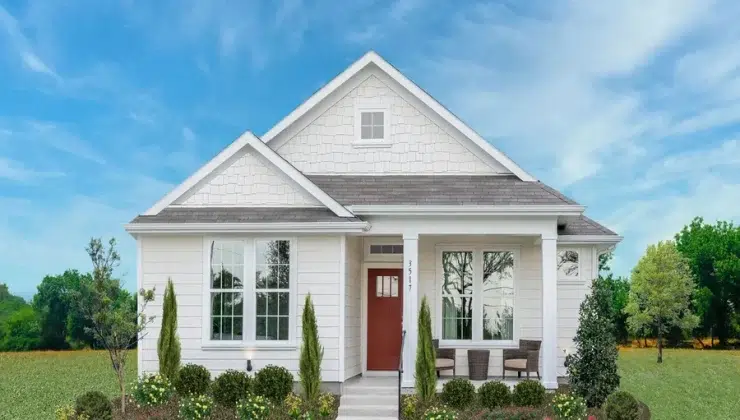
Ever caught yourself staring at other people’s houses thinking, “I’d do that differently”? Building a custom home means you finally get to make all those choices yourself.
No more compromising on someone else’s vision or settling for “good enough.” But it’s a big journey from daydreaming to move-in day.
This guide shows you how to build your dream custom home.
We’ll cover figuring out what you want, finding your team, picking a location, planning money stuff, designing your space, and choosing materials that work.
Getting Clear on What You Actually Want
Before you look at a single floor plan, get real about how you actually live day to day. Forget the “dream home” images on Pinterest for a minute and think practically.
Make a list of your non-negotiables. Maybe you need a home office with a door that closes because you work remotely.
Or perhaps a mudroom is essential because you have kids and dogs. Think about the annoyances in your current home – is the kitchen too small? Not enough bathroom counter space? Write these down.
Consider your lifestyle five years from now too. Planning to have kids? Need space for aging parents? Building a custom home is a big investment, so make sure it works for your future self too.
Then there’s the fun stuff – your wish list. This might include a spa-like bathroom, a chef’s kitchen, or that home theater you’ve always wanted. Just remember to separate “would be nice” from “absolutely need” to keep your budget in check.
Finding the Right Team to Make It Happen
Your home’s only gonna be as good as the people building it. Find custom home builders who get your ideas and talk straight with you. This might be the biggest choice you make in the whole process.
Ask friends who built custom homes for suggestions. Check out what builders have done before. Talk to their old clients too.
- Did they stay on budget?
- Did they finish on time?
- Were they easy to reach when problems showed up?
Good builders do more than build stuff. They listen. They solve problems. They tell you true costs up front. You’ll work with these folks for months, so you gotta like them too.
Don’t forget about architects and designers. Some builders have in-house design teams, while others work with independent professionals. Either way, make sure everyone can collaborate effectively to bring your vision to life.
Location and Site Selection That Makes Sense
Finding the right piece of land isn’t just about the view (though that matters too). The location of your home affects everything from your daily commute to your utility bills.
Consider these practical factors:
- Commute times to work, schools, and places you visit often
- Direction the lot faces (impacts natural light and energy efficiency)
- Neighborhood vibe and amenities
- Zoning restrictions that might limit what you can build
- Natural features like slopes or trees that affect construction
Land can really change how much site prep costs. Flat lots with utilities nearby? Way cheaper. Steep hills that need lots of grading? Much more expensive. Put these costs in your budget right from the start.
Your builder should visit potential sites with you before purchase. They can spot issues that might not be obvious to you, like poor drainage or difficult access for construction equipment.
Budget Planning Without the Surprises
Most people go over budget on custom homes. It’s not about being bad with money. Building just has too many decisions. Costs add up fast when you make hundreds of little choices.
Start by being honest about what you can afford. Talk to lenders early about construction loans and permanent financing. These loans work differently than typical mortgages, and you’ll need to understand the process.
Build a detailed budget that includes:
- Land purchase and site preparation
- Construction costs (typically priced per square foot)
- Architect and design fees
- Permits and inspections
- Landscaping
- Furnishings for your new space
- A healthy contingency fund (aim for 10-15% of your total budget)
Always add money for unexpected stuff. You’ll need it. Things come up. Maybe you hit rock during foundation work. Maybe you see nicer countertops and can’t resist. It happens to everyone.
Be strategic about where you splurge and where you save. Spend on good bones and infrastructure that’s hard to change later (like insulation, windows, and HVAC). Save on things that are easier to upgrade down the road (like light fixtures or cabinet hardware).
Working Through the Design Phase
The design phase is where your dream starts taking shape on paper. This is exciting but can also feel overwhelming with all the decisions.
Start with the big picture – how many bedrooms and bathrooms? One story or two? Open concept or traditional layout? Then gradually refine the details as you work with your architect or designer.
Think about flow and functionality first.
- How do you move through your current home?
- What works and what doesn’t?
A good designer will ask lots of questions about your lifestyle to create spaces that work for you.
Don’t rush this phase. It’s much cheaper to make changes on paper than during construction. Take time to review the plans carefully, and don’t be afraid to ask questions if something doesn’t make sense.
Consider doing a 3D walkthrough if available. It’s hard to visualize spaces from 2D drawings, and seeing the virtual space can help you catch issues before they’re built.
Material and Finish Choices That Matter
This is where many people get stuck in decision fatigue. There are endless options for every surface in your home, from flooring to faucets.
The key is to start with a clear vision of the overall feel you want. Collect inspiration images, but try to identify what specifically you like about them. Is it the light, the textures, the colors?
Focus on quality where it counts. Some materials take daily abuse (flooring, countertops) and need to be durable. Others are purely decorative and might be places to save.
Think about upkeep too. That pretty marble kitchen looks amazing in photos. But can you handle sealing it all the time? Will you freak out about stains? Sometimes fake stuff that looks real is actually smarter.
Don’t feel pressured to choose everything at once. Start with the basics that affect construction, then move to finishes and fixtures. Many builders have design centers or partnerships with suppliers where you can see and touch materials before deciding.
Final Thoughts
Custom homes take more time, money and stress than most folks expect. But man, nothing beats walking into a place made just for you.
Focus on what matters most. Trust your builders. Try to have some fun with it. Down the road, you won’t care about that week you spent freaking out over paint colors. You’ll just love your house.
Small goofs don’t matter much anyway. What counts is having a home that fits your life and makes you smile when you walk in.