What Makes a Good Home Care Provider Different from Just Anyone Who Can Help
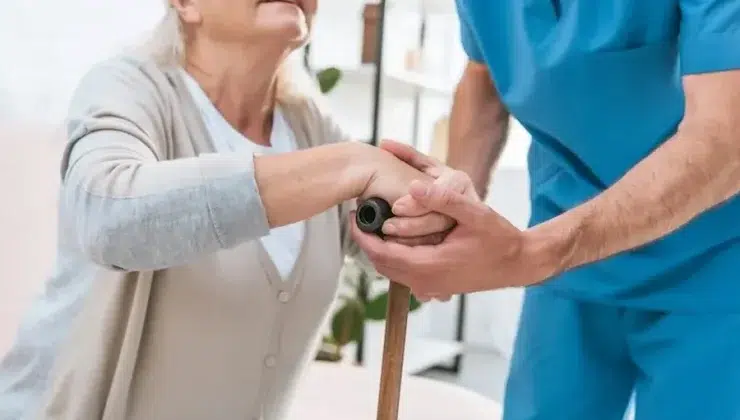
When it comes to home care for a loved one, all sorts of people seem willing to help. A neighbor checks in; a family friend offers to stop by a few days a week. Your cousin even knows someone who used to work in a nursing home. They all seem like viable options on the surface. But the reality is that just because someone is willing to help doesn’t mean they are qualified to give your loved one the care they need.
When someone needs care, the difference between someone well-meaning and someone professional isn’t always recognized until a mistake occurs. And by then, it’s usually too late.
The Training Needed
Most people think caregiving involves niceness and patience. Of course, that is partially true. However, professional caregivers receive training, which is something a regular person would never consider.
Proper body mechanics allow someone to help another person get from bed to a wheelchair without injuring the caregiver or the other person. Proper diagnosis of early symptoms of a urinary tract infection from a loved one who has dementia and cannot communicate is essential. Understanding which medications should not be taken together and the side effects of each drug helps keep everyone safe.
A neighbor might be happy to make lunch and have an hour’s worth of conversation. That’s great. But when your father starts having symptoms of a stroke, will your neighbor recognize what’s happening? Will they understand what to do in those critical first few minutes?
However, proper training provides foundational awareness that transforms good intentions into effective caregiving. The difference lies in dozens of incremental moments throughout the day that can help avoid catastrophe down the road.
Background Checks and Accountability
Providing services to people informally means taking their word for it. You don’t know where they’ve been before or what sorts of problems they’ve experienced behind the scenes. However, with a home care agency in Philadelphia, every caregiver undergoes an extensive background check before entering someone’s home. Criminal checks, reference checks, employment history-all are assessed.
This is not an assessment out of paranoia. Instead, we acknowledge that persons with access to others during vulnerable moments can facilitate much damage if given free rein. They’re alone in the house with no one else around and with access to medications, financial documents, and personal belongings. Thus, any agency provides practical accountability to exercise caution as needed.
There is also accountability built into the system. If something is amiss, there’s always someone higher up with whom to speak; if someone calls out sick, there is already a plan in place for backup support. When someone operates alone, however, one phone call can leave you up the creek without a paddle.
Medically Complicated Understanding
Growing older does not happen in a vacuum; elderly populations rarely suffer from only one issue – many develop chronic conditions that complicate everything else going on with their systems as they get older. From diabetes and hypertension to early kidney disease and arthritis, elderly men and women often experience chronic conditions simultaneously – most of which require specialized attention in various directions but can complicate one another depending on how other conditions manifest (or worsen).
Professional caregivers know how to work within this matrix. They can monitor blood sugar levels accurately and assess what the readings mean; they can evaluate swelling in the ankle for more than just “getting old” but potentially as heart failure complications; they can discern when confusion sets in because of dehydration instead of the progression of dementia.
But those things are not easily recognizable by anyone without training. A well-meaning person might brush off what they think is merely annoying behavior when really it could be critical development of something much worse. By the time anyone else realizes what’s going on, it usually becomes an acute medical emergency.
Dealing With Difficult Behaviors
People with dementia or depression who are chronically ill require respect and boundaries when it comes to caregiving efforts. Sometimes those people lash out; sometimes they flat-out refuse help; sometimes they say unkind things. That’s not personal, but it’s hard for someone untrained to understand how much of this isn’t personal.
A professional caregiver employs de-escalation techniques and redirection approaches. A professional caregiver understands that trying to fight with someone who has dementia won’t work, so they need to approach those people in alternative ways. A professional caregiver knows how to save face for noncompliant individuals when assistance isn’t rendered for self-care tasks.
A family member or friend gets offended by this behavior. They become angry; they feel rejected; they burn out trying to convince people who can no longer process information the same way once did how to effectively engage in basic living skills. Professional distance through professional training intervenes significantly in such circumstances.
Reliability and Stability
We all have things that happen in life, we get sick, have family emergencies, or we burn out providing care for extended periods, but when one person is your only option without backup support, you’re left grasping at straws whenever anything unexpected happens.
Professional home care comes equipped with different platforms and backup situations built in. Agencies have multiple caregivers on site who can take over if one caregiver cannot make it due to illness or another issue; a supervisor assesses how things are going regularly; if adjustments need to be made, there is a plan for that as well.
This consistency is often undervalued, a lot of seniors thrive with routine – and seniors receive better health benefits from reliable care provided by professionals who keep schedules than informal persons who just happen to be around one day but not another because something more important came up like a long-planned family function.
Insurance and Legal Overlap
This part isn’t sexy or fun until it becomes a problem down the line. If an informal caregiver gets hurt in your home, you could be liable; if an informal caregiver gives the wrong medication dose and complications arise with your loved one, who’s responsible?
Workers’ compensation insurance covers professional caregivers should anything happen, and all liability insurance should anything go wrong, meaning there are policies, and documentation procedures, for any incident incurred or otherwise observed along the way – the formal interventions help relieve financial burdens based on good intentions gone awry.
In Conclusion, Professional Care Is Better Care
Good intentions do not replace good professionals. Providing help does not equate to skill sets that can actualize good help.. Professional caregivers bring experience, accountability, and accessible systems that offer safer approaches than well-meaning but ultimately inaccessible efforts from family friends or casual acquaintances.
This is not to diminish the quality of good people trying their best, those people absolutely matter when it comes to emotional health and wellness, but when it comes time to actually doing what’s best for keeping someone safe, healthy and functional at home, professional resources formalize proper training for a level of care that can’t be matched through others alone.
Understanding these differences allows families better decisions about what their loved ones truly need. Sometimes good enough isn’t good enough, not when someone’s health is on the line.