What It’s Really Like Using an Exercise Machine at Home
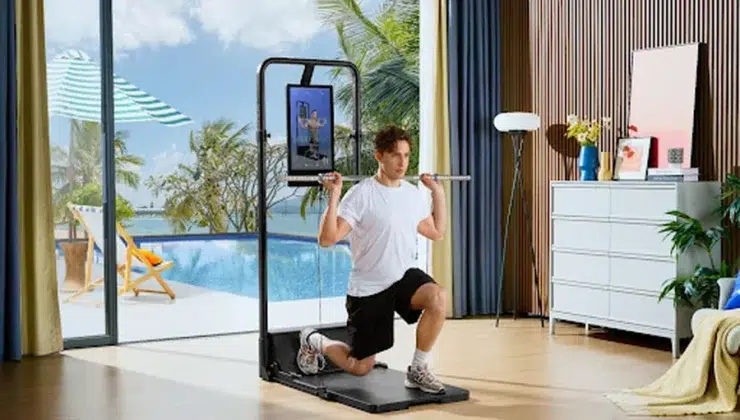
A few years ago, if you’d asked me about buying an exercise machine, I would’ve laughed and said, “I’ll just walk more.” Fast forward to now, and I’ve owned, sold, ignored, rediscovered, and genuinely loved more than one piece of fitness equipment. Turns out, exercise machines aren’t the problem. How we use them—and what we expect from them—usually is.
If you’re thinking about adding an exercise machine to your routine, or you already have one collecting dust in the corner, this is for you. No hype. No perfect gym-bro advice. Just real talk.
Why Exercise Machines Get a Bad Reputation
Let’s be honest. Most exercise machines don’t fail because they’re bad. They fail because life happens.
We buy them when motivation is high—January, a random Monday, or after scrolling past one too many transformation videos. For the first two weeks, everything feels great. You’re consistent. You’re sore in a good way. You feel productive.
Then work gets busy. Or it’s cold. Or Netflix wins. Suddenly, that shiny new exercise machine becomes a very expensive clothes hanger.
That doesn’t mean exercise machines don’t work. It just means they need to fit into real life, not an idealized version of it.
The Real Advantage of an Exercise Machine
The biggest benefit of an exercise machine isn’t calorie burn or muscle tone. It’s convenience.
When your workout option is right there—no traffic, no gym anxiety, no packing a bag—you’re far more likely to actually move your body. Even a short session counts. Ten minutes on an exercise machine at home beats a perfect one-hour workout that never happens.
There’s also something underrated about low-decision fitness. You step on, turn it on, and go. No overthinking. No planning a routine from scratch. On busy or low-energy days, that simplicity matters more than people admit.
Choosing the Right Exercise Machine for Your Life
This is where most people go wrong. They shop for who they want to be instead of who they actually are.
If you hate running, a treadmill won’t magically change that. If you love zoning out to music or podcasts, a stationary bike or elliptical might fit you better. If joint pain is an issue, low-impact exercise machines can be a game changer.
Space matters too. An exercise machine that barely fits your room and needs to be dragged out every time? You’ll use it less. One that’s always ready? You’ll hop on without thinking.
And don’t underestimate noise. If your machine sounds like a dying robot, you’ll avoid it—especially early mornings or late nights.
Building a Habit That Actually Sticks
Here’s something I learned the hard way: consistency has nothing to do with motivation.
What worked for me was lowering the bar. I stopped telling myself I needed a “full workout.” Instead, I made a deal with myself. Five minutes on the exercise machine. That’s it.
Most days, five minutes turned into fifteen. Some days, it didn’t—and that was fine. The habit stayed alive, which mattered more than intensity.
Pairing exercise with something enjoyable helps too. I only listened to certain podcasts while using my exercise machine. It became “me time” instead of a chore. That small mental shift changed everything.
What No One Tells You About Progress
Progress on an exercise machine can feel slow. Slower than gym classes. Slower than trendy workouts. And that can mess with your head.
But here’s the thing—slow progress is often the kind that lasts.
When you’re using an exercise machine regularly, you’re building a base. Cardiovascular endurance improves quietly. Muscles strengthen without screaming for attention. One day, you realize stairs don’t leave you breathless anymore. Or your lower back doesn’t ache like it used to.
Those wins don’t show up overnight, but they show up in daily life—and that’s the kind that matters.
Common Mistakes That Kill Momentumexercise machine
One big mistake is doing too much too soon. Going all-in every session sounds impressive, but it usually leads to burnout or injury. Your exercise machine should feel approachable, not intimidating.
Another issue is boredom. Doing the exact same routine, same speed, same duration, every single day will drain anyone’s motivation. Small changes help—slightly more resistance, a different pace, or even changing the time of day you work out.
And then there’s guilt. Skipping a few days doesn’t mean you failed. It means you’re human. The key is getting back on the exercise machine without turning it into a whole emotional event.
Exercise Machines and Mental Health (An Underrated Connection)
People talk a lot about physical results, but the mental side is just as important.
There’s something grounding about repetitive movement. The steady rhythm of an exercise machine can calm your nervous system, especially after a stressful day. It gives your mind something simple to focus on when everything else feels noisy.
Some days, the workout isn’t about fitness at all. It’s about clearing your head, processing thoughts, or just proving to yourself that you showed up.
That counts. A lot.
Making Peace With Imperfect Workouts
Not every session will feel amazing. Some will feel awkward. Some will feel pointless. A few will feel incredible.
The trick is not judging each workout too harshly. An exercise machine isn’t there to deliver motivation—it’s there to give you a tool. What you bring to it will change day by day.
If all you do is move your body a little more than you would have otherwise, that’s success. Full stop.
My Favorite Exercise Machine Picks to Try
If you’re serious about getting the most out of your workouts at home—with something more motivating and versatile than the usual treadmill or bike—here’s a standout option worth considering:
Speediance Gym Monster 2
When it comes to all-in-one exercise machine solutions, the Speediance Gym Monster 2 is one that keeps coming up in reviews and user discussions. It’s designed to replace a bunch of different gym machines by using digital resistance and a compact cable system, meaning you can do strength, functional movements, and even some cardio-style work in one place rather than needing a rack, plates, bench, and cables separately.
What makes this machine interesting is the digital weight system that lets you adjust resistance in fine increments without swapping plates, plus multiple training modes that mimic things like eccentric loading and progressive resistance. It’s got a built-in screen for tutorials and tracking, and includes accessories for a wide range of exercises.
Some people absolutely love it and say it’s transformed how they work out at home, helping them stay consistent and engaged without needing a traditional gym membership. Reviews even mention it feeling surprisingly close to a real gym setup for many lifts.
That said, not all feedback is perfect. A few users report occasional tech hiccups or slower customer support responses, which is something to keep in mind if you’re buying this kind of smart hardware.
Final Thoughts: Is an Exercise Machine Worth It?
If you’re expecting an exercise machine to transform your life overnight, probably not. But if you see it as a quiet, reliable support system—something that meets you where you are—it can be absolutely worth it.
The best exercise machine is the one you’ll actually use. Not the fanciest. Not the most expensive. Just the one that fits into your real, imperfect routine.
And if you already own one? Maybe today’s the day you give it five minutes. No pressure. Just movement.