Have You Checked the Health And Safety Considerations of Your Vacation Destination
Your Vacation Starts Before You Pack
Most people start a vacation in their imagination. They picture the beach chair, the mountain view, the food, the hotel, the photos, and the moment when daily life finally gets quiet. That is the fun part, and it matters. But the trip also starts in a less glamorous place: the small decisions you make before leaving home.
Health and safety planning is not about being nervous. It is about giving yourself more freedom once you arrive. When you already know the basic risks, rules, medical needs, weather patterns, and emergency options, you can relax more because you are not guessing your way through the destination.
Travelers planning tours to Machu Picchu, for example, may think first about ancient ruins and dramatic mountain scenery. That makes sense. But a smart traveler also thinks about altitude, sun exposure, walking conditions, hydration, travel insurance, food safety, and how their body usually reacts to long travel days.
Think Like Your Future Tired Self
Before a trip, you are usually rested, excited, and sitting somewhere comfortable with good internet. During the trip, you may be jet lagged, hungry, warm, cold, confused by signs, or trying to solve a problem in another language. That version of you deserves some help.
Make simple choices now that protect your future self. Save hotel addresses offline. Screenshot booking confirmations. Write down emergency numbers. Learn where the nearest clinic or pharmacy is located. Keep copies of your passport and insurance details somewhere separate from the originals.
These steps do not take long, but they can make a stressful moment much easier.
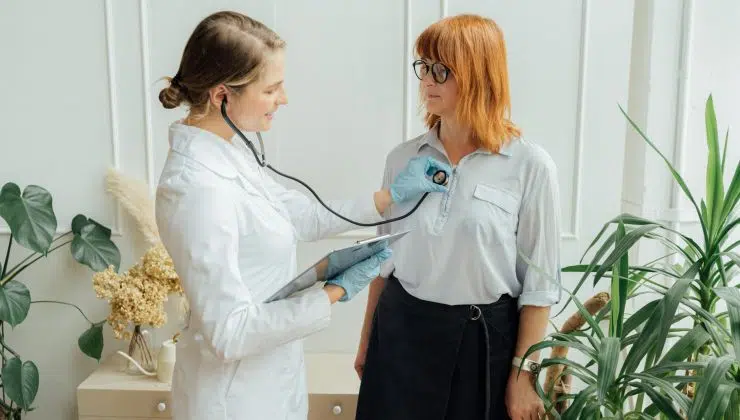
Check Health Guidance Before You Go
Every destination has its own health profile. Some places require extra attention to vaccines, insect protection, water quality, altitude, heat, air pollution, or food handling. Even popular vacation spots can have health considerations that surprise visitors.
A good starting point is the CDC Travelers’ Health destination guide, which offers health information by country. You can use it to review vaccine recommendations, disease risks, food and water tips, and other practical travel health details.
Do this early, not the night before your flight. Some vaccines or medications need time to work. Some appointments may not be available right away. Planning ahead gives you options instead of forcing rushed decisions.
Do Not Ignore Altitude, Heat, or Weather
Many travelers focus on crime or illness when they hear the word safety, but the environment can be just as important. Altitude can affect strong, healthy people. Heat can drain your energy fast. Cold weather can become dangerous if you are underdressed. Rain can change road conditions, trails, and visibility.
Look beyond the average temperature. Ask what the weather feels like at the time of day you will be outside. A desert may be chilly at night. A mountain destination may have intense sun even when the air feels cool. A tropical place may shift from sunny to stormy quickly.
Pack and plan for the actual conditions, not just the postcard version of the place.
Know the Local Rules Before They Know You
Safety also includes legal and cultural awareness. Laws about medication, driving, alcohol, photography, drones, public behavior, and restricted sites can vary widely from one country to another. Something ordinary at home may be illegal or disrespectful somewhere else.
The U.S. Department of State international travel information is useful for checking destination details, travel advisories, entry requirements, local laws, and emergency support options. Even if you are not a U.S. citizen, official government travel pages can help you understand the kinds of issues visitors should review before departure.
This is not about memorizing every rule. It is about avoiding preventable problems.
Build a Small Medical Plan
You do not need to pack a full hospital into your suitcase. You do need a sensible medical plan. Bring enough prescription medication for the full trip, plus a little extra in case of delays. Keep medication in original packaging when possible, especially for international travel. Carry important medicine in your hand luggage, not only in a checked bag.
A small kit can include pain relief, stomach medicine, bandages, motion sickness tablets, allergy medicine, sunscreen, insect repellent, and any personal items you commonly need. If you wear glasses or contacts, bring backups.
Also check whether your health insurance works where you are going. Many travelers assume they are covered abroad when they are not. Travel insurance with medical coverage and emergency evacuation benefits can be worth considering, especially for remote, active, or international trips.
Food and Water Deserve Respect
Trying local food is one of the best parts of travel. You do not need to be afraid of it. You just need to be thoughtful.
In some destinations, tap water may not be safe for visitors to drink. Ice, raw produce, and uncooked foods may also need extra caution depending on where you are. Choose busy food spots with good turnover. Wash or sanitize your hands before eating. Be careful with street food that has been sitting out too long.
Stomach trouble can steal days from a trip. A little caution helps you enjoy more, not less.
Plan for Movement, Not Just Arrival
Many vacations involve more physical effort than expected. Airports are huge. Old cities have stairs. Nature trips may involve uneven ground. Cultural sites may require long walks. Beach resorts may still mean carrying bags across sand or walking in strong sun.
Be honest about your fitness level and mobility needs. Choose activities that match your body, not someone else’s highlight reel. Break up demanding days. Schedule rest. Wear proper shoes. Drink water before you feel desperate for it.
A trip does not have to be extreme to be tiring.
Share Your Plan With Someone
Leave a basic itinerary with someone you trust. Include flight details, hotel names, major transfers, and tour dates. You do not need to report every meal, but someone should know where you are supposed to be.
This is especially important if you are traveling alone, visiting remote areas, driving long distances, or joining outdoor activities. It gives your loved ones peace of mind and creates a backup if plans change unexpectedly.
Trust Small Warnings
One underrated travel skill is noticing when something feels off. Maybe a driver seems unsafe. Maybe a shortcut feels isolated. Maybe a tour operator is vague about safety equipment. Maybe your body is telling you to rest.
Listen early. It is easier to adjust plans before a small concern becomes a real problem. You can skip an activity, ask more questions, leave a situation, or choose a safer option without ruining the trip.
Safety Makes Room for Joy
Health and safety planning is not the opposite of adventure. It is what makes adventure easier to enjoy. When your documents are organized, your body is prepared, your insurance is clear, and your destination research is done, you can spend less time worrying and more time noticing where you are.
A vacation should feel exciting, not careless. Check the health and safety considerations before you go, then travel with the confidence that you have done your part. The best trips are not the ones where nothing unexpected happens. They are the ones where you are ready enough to handle the unexpected and still enjoy the journey.