Building Autism-Friendly Spaces with the ASPECTSS Framework
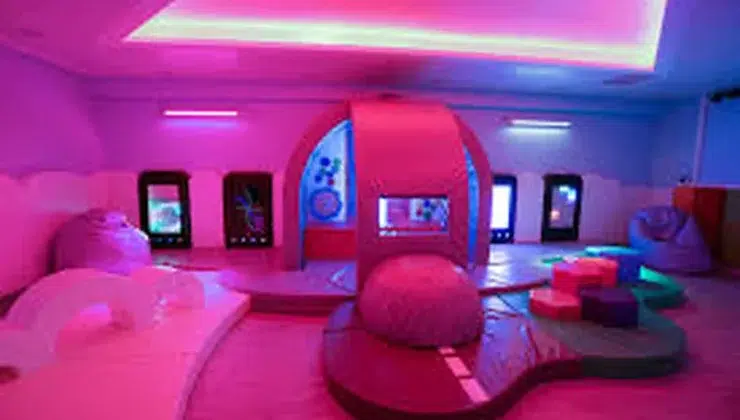
Designing an autism-friendly space begins with a simple but essential principle: include autistic voices in the process. As the saying goes, “Nothing about us without us.” Associate Professor of Architecture at the American University in Cairo, Magda Mostafa, PhD, has worked extensively with autistic individuals to better understand how built environments affect their experiences. This collaborative work has informed the design of campuses, healthcare facilities, and even entire neighborhoods.
Over time, Mostafa and her team came up with the ASPECTSS framework (Mostafa, 2015). Now, it guides projects of any type that will be used by autistic kids and adults. Even if an individual hasn’t yet gone through an official autism assessment, they can still gain all the benefits of using an autism-friendly building. ASPECTSS represents the following seven important components of any autism-friendly space.
1. Acoustics
Acoustic auditing includes finding ways to minimize echoes and noise distractions. For example, placing sound absorbing materials on ceilings, walls, and floors so that higher levels of focus can be achieved. When quieter zones are built that encourage the usage of noise-cancelling devices, autistic children and adults are much more likely to get things done.
2. Spatial Reasoning
Better organization allows for a logical flow of people from task to task. Creating a building with an understanding of the importance of spatial reasoning—where spaces flow between each other with little disruption for better routine and predictability— also provides faster access to quiet zones.
3. Escape
Creating a low-stimulation space where autistic individuals can recover from sensory overload is crucial. These spaces have very limited sensory input and can be designed in many ways. For instance, they can be fully enclosed, partitioned, or open to meet the needs of different people. Furthermore, offering gentle movements and soft touches like a porch swing can provide sensory relief.
4. Compartmentalization
Organizing a space that’s autism-friendly includes dividing environments into clearly defined areas, which helps match sensory conditions to specific activities. For example, quiet zones for focused work and more active areas for movement or social interaction.
Providing visual supports, such as maps or activity guides, can also help individuals understand what to expect in each space.
5. Transition Zones
It’s possible to signal transitions from one environment to another through the use of lighting, color, and materials. Entry points can become sensory neutral areas, thereby enabling people to recalibrate between high-sensory areas and those with lower demands.
6. Sensory Zones
Every area has its own specific sensory intensity. Rather than having people shift from one intensity level to another, areas of similar sensory levels can be placed near each other. This creates specific sensory zones. For example, activities that create a lot of noise can be placed side-by-side.
7. Safety
When constructing an autism-friendly space, it’s essential to keep user safety in mind. Consider a person’s perception of their risk and sensory information by including the following:.
- Safe, durable materials
- Clear boundaries and visibility
- Minimal hazards in high- and low-stimulation areas
Autism-Friendly Architecture
Well-established assessments, such as the MIGDAS-2 and ABAS-3, can provide a comprehensive understanding and early identification of an autistic individual’s needs. However, designers can utilize the ASPECTSS framework as well, providing proven adaptive behavior accommodations that help ensure autism-friendly architecture.
ASPECTSS is the world’s first evidence-based architectural design with guidelines specifically created to improve the experience of autistic individuals. More than a decade of research went into developing the seven points listed above. Currently, the Autism ASPECTSS Design Index has been implemented in building projects that span across 5 continents, helping people in Australia, Egypt, the Netherlands, the United Arab Emirates, and the United States (Mostafa, 2015).