Breaking Barriers in Physical Activity Following Complex Medical Interventions
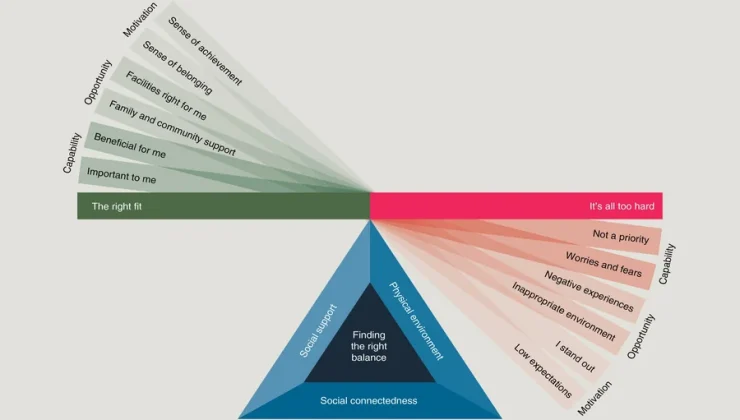
Returning to high-impact sports after experiencing severe tissue complications—such as extensive injury, infection, or surgical interventions—can feel overwhelming. Many individuals wonder if regaining their pre-injury athletic abilities is even possible. Fortunately, advancements in rehabilitation, prosthetics, and multidisciplinary care are helping people break through these barriers and safely re-engage in demanding physical activities.
Understanding the Challenges of Post-Complication Recovery
Severe tissue complications, whether from trauma, infection, or complex surgeries, present unique obstacles for athletes. Not only are there physical limitations—such as reduced strength, loss of tissue, or altered biomechanics—but psychological hurdles like fear of re-injury and diminished confidence can impede progress. For those requiring specialized devices, such as running prosthetics, adapting to new movement patterns is an additional hurdle.
Navigating this transition requires a comprehensive understanding of medical history, individualized rehabilitation, and realistic goal-setting. Early steps often involve collaboration between surgeons, physiatrists, physical therapists, and prosthetists to chart a safe, effective path forward.
Assessing Readiness for High-Impact Activities
Before attempting a return to high-impact sports, a thorough assessment is essential. This process considers not only the physical healing of tissues but also the restoration of function and the ability to tolerate stress. A multidisciplinary team typically evaluates:
- Range of motion and joint stability
- Muscular strength and endurance
- Balance and proprioception
- Pain levels and tissue sensitivity
- Psychological readiness
These assessments help in determining both the timing and the optimal approach for reintroducing athletic activities. In some cases, additional interventions may be necessary to address ongoing impairments or prevent further injury.
Rehabilitation Strategies and Gradual Progression
A structured rehabilitation program is crucial for a successful return to high-impact activities. Rehabilitation usually follows a staged approach, beginning with low-impact exercises and gradually increasing in intensity and complexity. Some common strategies include:
- Aquatic therapy to reduce load on healing tissues
- Targeted strength training to reinforce vulnerable areas
- Neuromuscular re-education to restore movement patterns
- Gait training, especially important for those using prosthetic devices
A key aspect is regular monitoring and adaptation of the program to address any setbacks or emerging issues. The support of experienced rehabilitation specialists ensures athletes can progress at a pace that is both ambitious and safe.
Integrating Advanced Technologies and Prosthetics
Modern technology has dramatically expanded the possibilities for athletes recovering from severe tissue complications. High-performance prosthetics, orthoses, and biomechanical aids now enable individuals to participate in activities that were once considered out of reach.
Those who have undergone limb salvage or amputation may benefit from devices designed for specific sports. For example, running blades and adaptive footwear can provide the responsiveness and shock absorption needed for sprinting, jumping, or court sports. This integration of technology not only restores function but can also enhance athletic performance, allowing for participation in competitive events.
Preventing and Managing Complications
Transitioning back to high-impact activities carries inherent risks, particularly for individuals with a history of severe tissue issues. Preventive measures and vigilant management are essential to avoid setbacks. Key considerations include:
- Regular wound and skin checks
- Use of appropriate protective gear
- Close monitoring of pain, swelling, or signs of infection
- Adherence to prescribed rehabilitation protocols
For those with a history of tissue compromise, such as necrosis or infection, understanding current treatments for gangrene and prevention measures is vital. Early intervention and ongoing medical follow-up significantly reduce the risk of recurrence and help maintain long-term function.
Checklist: Steps for a Safe and Effective Transition
A checklist can help guide athletes and their care teams through a structured and systematic return to high-impact activity:
- Obtain medical clearance from your healthcare provider
- Complete a comprehensive functional assessment
- Develop an individualized rehabilitation and training plan
- Incorporate gradual progression from low- to high-impact exercises
- Utilize adaptive equipment or prosthetics as recommended
- Monitor for signs of complication or overuse
- Maintain open communication with your rehabilitation team
- Prioritize mental health and psychological readiness
- Schedule regular follow-up visits for ongoing assessment
This checklist serves as a practical tool to ensure all critical aspects of recovery and transition are addressed.
Conclusion
Transitioning to high-impact athletic activities after severe tissue complications is a complex, multifaceted process requiring coordination between medical care, rehabilitation, technology, and psychological support. Each phase—from assessment and rehabilitation to the integration of advanced devices and prevention strategies—contributes to a safer and more effective return to sport. Knowledge of current medical advances, such as specialized prosthetics, further empowers individuals to overcome barriers and pursue their athletic goals. As innovations in medicine and rehabilitation continue to evolve, more people will have the opportunity to reclaim active, fulfilling lives after complex medical interventions.