Smart Shopper’s Guide to Buying Meat
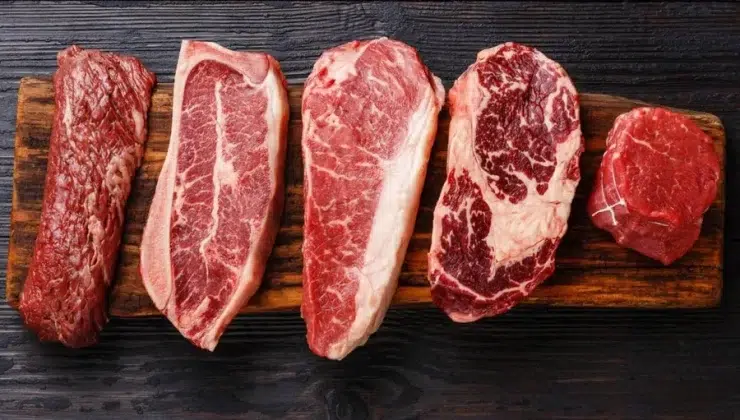
Walking into the meat section can feel a bit like standing in front of a wall of TV remotes. So many options, tiny labels, prices all over the place, and you just want something fresh that cooks well. If that describes your current situation, these tips for buying meat are going to save you money and prevent overcooked dinners.
Most people never learn how to choose good meat properly. You learn by guessing, wasting money, and hoping the family does not notice the tough roast you bought on special. With the right tips, you can walk into any grocery store or butcher shop and know exactly what to pick up.
You will learn what to leave on the shelf and how to get the best value for your dollar. It starts with knowing what to look for and understanding the labels.
What Smart Shoppers Look For Before Buying Any Meat
Before you think about recipes, brands, or specific cut names, there are a few basic checks you should run through. These simple habits alone will save you a lot of wasted money and food. Buying fresh cut meat requires attention to detail.
1. Packaging, dates, and basic safety
Always scan the pack first. If the plastic is torn, loose, leaking, or looks puffed up with air, leave it right there. Damaged or bloated packs often mean the seal failed or bacteria started growing inside.
Next, check the use-by or sell-by date, then ask yourself when you will cook it. Buying marked-down meat can be smart if you cook or freeze it that day. If you meal prep once or twice a week, pick dates that align with your cooking schedule.
Get in the habit of buying only what you will actually cook or freeze. Meat sitting in the back of the fridge past its date is money in the trash. That waste adds up fast across a month.
2. Color, smell, and texture
Good fresh meat has a clean, mild smell. It will never smell like nothing at all, but it should not smell sour, strong, or like ammonia. If you crack a pack and the odor makes you pull back, trust your nose and do not cook it.
Beef and lamb should look red, although beef can look darker in vacuum packs because less air gets in. Once you open that kind of pack, the color often brightens after a few minutes. Pork should look pink, not grey or green.
Chicken should look light and even in color without dark green patches. If the meat feels sticky or slimy between your fingers once opened, that is a warning sign. A little surface moisture is fine, but thick slime is not.
3. Why lean cuts can be worth the money
Lean cuts look more expensive on the shelf, but you are paying for meat instead of fat that cooks away. With items like ground beef, a pack with less fat often gives you more cooked meat for the same weight. This distinction matters if you are feeding a family on a strict budget.
Higher fat ground beef makes great burgers and meatballs because fat brings flavor. But for sauces, tacos, or anything you drain, lean or medium options often work out cheaper. You throw away less volume after cooking.
Think less about sticker price and more about how much cooked meat you end up with on the plate. That shift alone will change how you see the meat aisle. Paying for portion cuts that are edible is better than paying for trim.
Tips for buying meat without blowing your grocery budget
You might feel like saving money on meat means settling for lower quality. That is not true. Just like there are clever tips for buying the right health insurance or tech, there are smart moves that give you better meat for a better price.
4. Choose cut based on cooking method, not fancy names
A lot of shoppers grab the same few cuts because they look familiar. Top sirloin, chicken breast, pork chops. The trick is to match the cut to how you plan to cook, not just the name on the label.
Here is a quick guide to help you choose.
| Meat type | Best for quick cooking | Best for slow cooking |
| Beef | Top Sirloin, Ribeye, Tenderloin, T-bone | Chuck roast, Blade, Brisket, Bottom Round |
| Lamb | Loin chops, Leg steaks, Rib chops | Shoulder chops, Shanks, Leg roast |
| Pork | Loin chops, Tenderloin, Rib chops | Pork Shoulder (Butt), Ribs, Belly |
| Chicken | Breast, Tenderloins, Boneless thigh | Bone-in thigh, Drumsticks, Wings, Whole chicken |
If you know tonight will be a quick stir-fry, look for lean strips or dice. If you have a few hours and a slow cooker, that is where chuck roast, lamb shoulder chops, and pork shoulder really shine. You might even find inspiration for these cuts on channels like the Food Network.
5. Buy tougher cuts for slow cooking
The cheaper, tougher cuts usually come from muscles that work hard on the animal. Think shoulders, legs, and chests. These are full of connective tissue that needs time and gentle heat to soften.
Cuts like chuck roast, blade steak, brisket, arm roast, and shanks turn rich and tender after a few hours at a lower temperature. Pot roasts are a classic example of this transformation. Short ribs also fall into this category, offering immense flavor when braised.
If you plan two slow-cook dinners each week, you can fill your cart with these lower-price cuts. You still eat like royalty while spending less. This is one of the best long-term Tips for buying meat and staying on budget.
6. Use mince in smart ways
Ground beef, often labeled as mince in some regions, is the workhorse of family dinners. You will usually see regular, lean, and extra lean levels. Regular is the fattiest and cheapest, while extra lean has the least fat.
Regular ground beef is fine for burgers and patties because the fat keeps them juicy. For bolognese, chili, tacos, or cottage pie, lean options can be better. You get more edible meat and less fat to drain off.
Chicken mince should look pale and even in color. Pork mince should be light pink with little specks of white fat. Walk away from any ground meat that is grey or smells sour as soon as you open the pack.
How to spot quality in beef, lamb, pork, and chicken
You do not need to be a butcher to read meat. Once you know what color, fat, and structure should look like, your choices get easier. This is where you start to move from guessing to shopping with confidence.
Beef: color, marbling, and grading
Good beef is usually a bright red once exposed to air. Shrink-wrapped steaks can look darker or even purple, then turn red once opened. White areas on the outside are fat caps, while thin white streaks inside the meat are marbling.
A little marbling often means more flavor and tenderness. This is why cuts like rib steak or grain-fed beef are so popular with steak fans. Grading systems often focus on marbling and maturity to determine quality.
If you want to cook steak at home, simple searing advice is vital. Taking it out of the fridge before cooking and resting after cooking can change your results. You can see these kinds of practical tips shared in some expert key tips for cooking your steak.
Beef cuts to know
Understanding the difference between a primal cut and a subprimal cut can help you save money. The carcass is broken down into large sections called primal cuts. These are then divided into subprimal cuts, which are finally sliced into the portion cuts you see in the store.
The chuck primal is a massive section from the shoulder. It breaks down into the chuck subprimal, which includes the chuck roll and shoulder clod. You might see a square-cut chuck or a blade steak here.
Butchers sometimes use specific technical terms for these items. You might encounter a label specifying a tender chuck roll shoulder clod square-cut or variations like the chuck roll shoulder clod square-cut chuck. These refer to how the muscles are separated and trimmed.
From the chuck, you also get the mock tender, chuck tender, and arm roast. A steak chuck eye is a budget-friendly alternative to a ribeye. It sits right next to the rib primal and shares some of that tenderness.
The rib primal is where you find expensive cuts like the prime rib and tomahawk steak. This section also produces the cowboy steak and bone-in rib steak. Between the ribs, you find rib fingers, which are delicious when grilled.
If you see a rib subprimal or rib portion on a label, you are looking at premium meat. The rib portion cuts are prized for their marbling. Moving back, the loin provides the short loin and sirloin steak.
The short loin gives us the tenderloin steak and the York strip. Some people call the strip steak a New York strip. When the tenderloin is cut as a roast, it is often sold as the whole fillet.
When sliced into steaks, the tenderloin becomes filet mignon. These loin portion cuts are very tender but cost more. For a cheaper option, look for cuts from the short plate, like hanger steak or skirt steak.
Lamb: gentle color and exterior fat
Lamb is usually a softer red than beef and may look reddish-brown. A clean lamb smell is normal, but it should not be harsh. Most lamb cuts will have clear white fat on the outside and sometimes a layer of silverskin.
Silverskin is a shiny white sheet of connective tissue. It tends to stay tough even with cooking, so many people trim it off. Fat on the outside can be left to render and baste the meat during roasting.
Popular lamb cuts for fast cooking include loin chops, rumps, fillets, and racks. Shoulder chops and leg steaks can go either way. You can fry them fast or slow cook them, depending on thickness.
Larger lamb cuts and how to use them
A leg roast suits slower roasting and brings plenty of meat to the table. A butterflied leg cooks more quickly and works well on the grill. Different parts of the boneless leg reach doneness at roughly the same time.
Shanks are strong in flavor and become soft after long braising. They work well with stock, tomatoes, or wine-based sauces. A rack of lamb is usually treated as a special cut for quick roasting.
If you enjoy seasonal recipe ideas, TV cooking brands often cover lamb in their shows. Many of those recipes later appear in spaces promoted from the Newsroom or streaming hubs like Food Network on HBO Max. These platforms can spark ideas for how you cook the cuts you bring home.
Pork: color and fat layers
Pork is often misunderstood, which is why so much of it gets cooked dry. Good raw pork should look light to medium pink. It should be slightly translucent and never dull grey.
Loin chops resemble a tiny T-bone and work nicely for quick pan cooking. Shoulder chops, on the other hand, are full of darker meat. They contain gristle and sometimes bone, rewarding long slow cooking instead.
For roasting, pork shoulder and pork leg are popular choices. The key is the fat under the skin. Score the skin, rub with salt, and roast hot to get crisp crackling.
Chicken: light color and simple checks
Chicken is often the budget star of the meat section. You have a lot of choice in cuts. Boneless breast is lean and quick cooking, but dry if overcooked.
Bone-in pieces like drumsticks, legs, thighs, wings, and whole chickens give you more flavor for less cost. They need a bit more time but stay moist. Some families buy whole chickens and break them down to save money.
Make sure chicken has an even light color and no off smell. Small feather bits on the skin are normal. You can pull them out before cooking without issues.
How storage and freezing affect meat quality
You can make a smart purchase and still lose quality at home if storage is an afterthought. The time between store, fridge, and freezer has a major impact. It affects the final taste more than most people realize.
Short term fridge storage
Try to get meat home and into the fridge within an hour. Keep it in the coldest part, usually the back of the bottom shelf. Do not store raw meat above cooked foods or fresh produce.
Plan to cook chicken and ground beef within one or two days. Whole beef and lamb cuts last a little longer if still sealed. Let the date on the pack be your guide.
If plans change, move the meat to the freezer rather than let it drift past its date. Keep meat in its original pack unless you plan to freeze it long-term. In that case, re-wrap tightly with freezer-safe bags.
Freezing and shelf life
Freezing stops most spoilage, but it does slowly change texture over time. Research published in the International Journal of Food Science and Technology examined this. They looked at how storing beef at sub-freezing temperatures affects quality.
That work, titled Effect of sub-freezing storage (-6, -9, and -12 °C) on quality and shelf life of beef, found colder storage slows quality loss. At home, your freezer will usually run close to that colder range. The tighter and colder you store your meat, the better it preserves.
Try to use frozen ground beef and chicken within three months. Larger beef or lamb cuts can go up to six months. Thaw meat in the fridge rather than on the counter to keep it safe.
Why your butcher and supply chain still matter
One thing that became clear during global shocks is how important local supply chains are. Studies like Local food supply chain dynamics and resilience during COVID-19 highlighted this. They showed how regional processors, farms, and butcher shops stepped up when systems stressed.
That same idea applies to your meat sourcing. Building a relationship with a local butcher shop can give you fresher product. They can also offer advice on cheaper chuck subprimal cuts or bulk options.
Buying based on hanging weight from a local farmer is another option. This means you pay for the weight of the carcass before it is trimmed into portion cuts. It requires freezer space but offers significant savings on grain-fed beef.
Companies in meat processing sometimes invite people to Connect With Us to learn how systems work. For you, local sourcing means consistent supply. It often provides better traceability of what you are feeding your family.
How meat fits with your bigger shopping skills
Buying meat well is just one part of being a smart shopper. If you have ever read any general tips for buying long term items, like good racing wheels, you know the drill. Research, timing, and care make your purchase go further.
The same thinking applies across your cart. Whether you are learning tips for buying jewelry, planning insurance, or filling the fridge, the process is similar. You look for signs of quality and compare options.
For meat, that means paying attention to cut, fat level, freshness, and storage. You also need to consider how you plan to cook it. Do that, and the packs you choose today support better meals all week.