90s Hip Hop Fashion: A Cultural Revolution in Style

The 1990s was a revolution decade to hip hop not just in the music but also in the fashion. The hip hop culture that emerged during this period brought about a new and powerful fashion movement which is still inspiring to date. 90s Hip hop fashion transformed into a worldwide trend, which affected the way people of various demographics wore. Since baggy jeans and oversized shirts, loud jewelry, and loud logos, 90s hip hop fashion broke the rules of traditional attire and became the symbol of rebellion, confidence, and empowerment.
This paper will discuss the way 90s hip hop fashion impacted the culture and has affected fashion trends even now.
The Origins of 90s Hip Hop Fashion
The 1990s hip hop fashion was a response to the socio-political shift, the ascendancy of the gangsta rap and the growing prominence of the street culture. Hip hop style was prepared in the late 80s, and such artists as Run D.M.C. or LL Cool J were in the vanguard. But it was during the 90s that the style came into full manifestation and into mainstream. The popularity of the big hip hop bands like A Tribe Called Quest, Wu-Tang Clan, and N.W.A, coupled with the success of rap on the MTV and radio meant that hip hop was not only dominating the music industry, but also fashion.
The concept of urban streetwear, full of oversized garments, sportswear, and prominent branding, was the core principle of 90s hip hop fashion. The hip hop fashion was so much related to the streets where people identified themselves in clothing. This was not merely the matter of style, but it was a matter of the identity of where you were born and of the community you held. The more the genre became popular so did the visibility of these types of fashion choices and they became synonymous with hip hop culture itself.
Iconic Trends in 90s Hip Hop Fashion
Baggy Clothing
One of the most recognizable elements of 90s hip hop fashion was the oversized clothing trend. Hip hop artists and fans alike developed a style of baggy jeans, oversized T-shirts and loose fitting jackets. This style originated in the impact of the prison culture in which prisoners dressed in loose clothing to move around easily and comfortably. This style was used in the 90s as a way of protesting against the sanctity of the society with rappers opting to wear clothes that were not according to the slim fit styles of the previous decades.
The loose-fitting shirts, jackets and hoodies were worn loosely and low on the hips with baggy jeans which gave a careless, comfortable and rebellious appearance. It was not only a fashion of comfort but also of individuality and freedom. Hip hop musicians such as Tupac Shakur and The notorious B.I.G. became linked with this appearance as their baggy jeans and oversized jackets became synonymous with the gangster image that these musicians projected in their songs.
Sportswear and Streetwear
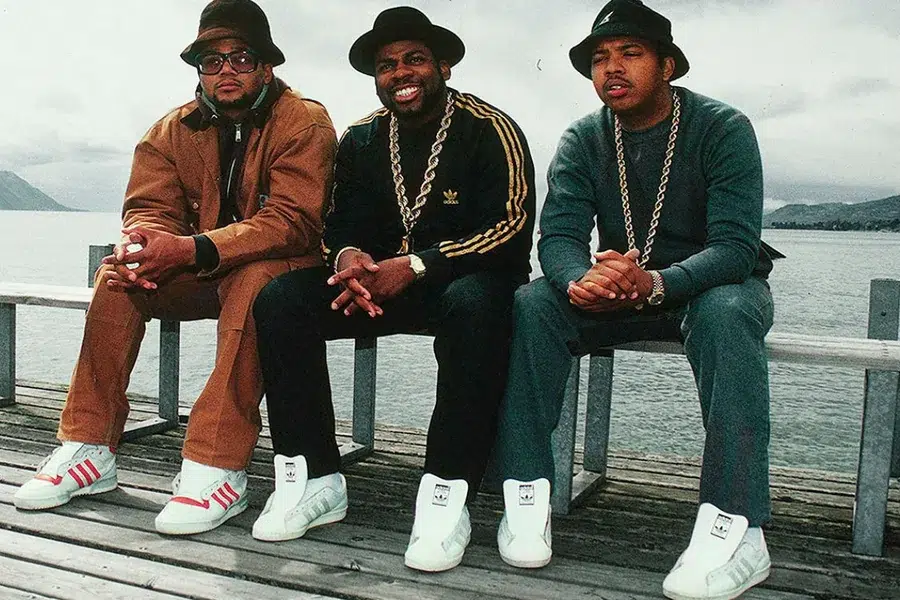
The 90s was a decade when the distinctions between sportswear and fashion were unclear. The hip hop culture also adopted sportswear, with such brands as Adidas, Nike and Fila becoming a part of the hip hop wardrobe. The famous Adidas tracksuits, with the three stripes on the side, became part of hip hop culture, in part due to bands such as Run D.M.C., who famously worked with the company.
These tracksuits were often paired with sneakers, which were also an essential part of 90s hip hop fashion. It was a period when the sneaker culture went off and artists such as Michael Jordan contributed to the popularity of certain sneakers, especially the Air Jordan brand. Sneakers became a social object of status in the community, and shoes that were the rarest and most desirable were traded like commodities.
Other brands of street wear, such as Tommy Hilfiger, Polo Ralph Lauren, and Carl Kanai, also emerged in the 90s in addition to tracksuits. These previously altogether preppy or high-end brands had a second life in the hip hop culture. It became a status and good-taste signal to wear a Tommy Hilfiger sweater or a Polo shirt. This blending of high fashion and streetwear is one of the defining features of 90s hip hop fashion, as it reflected the ability of hip hop to cross cultural boundaries.
Bold Logos and Brand Power
Logos played a crucial role in 90s hip hop fashion. The visibility of logos was one of the hallmarks of the era, whether it was the massive, bold brand marks of athletic brands such as Nike and Adidas, or the massively large polo horse symbol of Ralph Lauren. It was not only a fashion statement to wear a piece of clothing in which a visible logo appeared. It demonstrated that the wearer belonged to some cultural movement and could afford the same luxury brands as the rich.
The fashion of this decade was based on brand power. As an example, hip hop celebrities such as Jay-Z and Diddy (formerly Puff Daddy) contributed to the rise of luxury brands by sporting costly products in their music videos and on stage. High end urban brands like Sean John (Diddy founded) and Rocawear (Jay-Z founded) were the beginning of a new era of hip hop fashion. Such brands enabled fans to imitate the fashion of the favorite artists further establishing the music-fashion relationship.
Jewelry, Chains, and Watches
Another hallmark of 90s hip hop fashion was the heavy use of accessories, particularly jewelry. Gold chains, diamond-accessorized pendants, huge watches, and rings failed to find a place in the history of fashion. This era gave birth to the idea of bling where hip hop musicians wore their jewelry to show off their wealth. Rappers such as Flavor Flav, Biggie Smalls and Jay-Z had been associated with the excessive jewelry usage and these accessories have turned into a significant image.
The trend of the bling was not only luxurious but it also reflected the personal success. Hip hop artists with many having a harsh background wore the bling to remind the world that they made it. Putting on a heavy gold chain, or a diamond watch was a publicly proclaimed statement of success, and it appealed to followers who liked the way these musicians had come out of poverty to success.
Read More: How to Find a Trusted Piercing Jewelry Supplier Online
Fitted Caps and Bandanas
Headwear also played a prominent role in 90s hip hop fashion. Baseball cap, especially the fitted cap became an accessory item. The cap, worn backwards or to the side, was an icon of city young people fashion. Artists such as LL Cool J and Tupac popularized it and were often seen in their music videos and on the street wearing these hats.
Besides being used as caps, bandanas also became a popular headwear item of hip hop fashion. Artists such as Tupac Shakur popularized the bandana to become an integral component of their style, which was frequently tied around the head or the wrist as a rebel and a symbol of hardness. The bandana grew to be a symbol of unity in the hip hop community and its affiliation with gangsta rap further cemented the affiliation to the streets.
Street Influences and DIY Culture
One of the most significant aspects of 90s hip hop fashion was its roots in DIY (Do It Yourself) culture. The emergence of streetwear brands, and the focus on self-expression, was to have it that a great number of hip hop fans and artists started to come up with their own distinctive styles. Personalizing clothing, such as airbrushed T-shirts, hand-painted jackets, etc., was also a popular means of demonstrating unique personality. It was this DIY spirit that contributed to the identity of 90s hip hop fashion and led to creativity of fans as well as artists.
This influence is evident even today in the street wear where personal expression and customization are the main focus of fashion. Creative and pushing the limits fashion is the backbone of the modern streetwear movement, which was built in the 90s.
Legacy of 90s Hip Hop Fashion
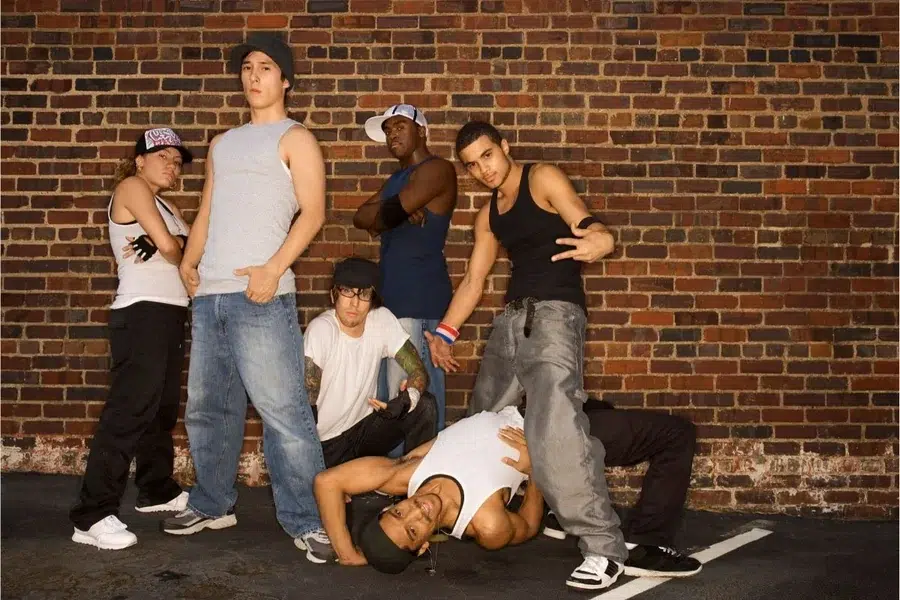
The influence of hip hop fashion of the 90s cannot be overestimated. What started as a street based subculture has now developed into a global fashion movement that has impacted on what we wear today. The 90s hip hop fashion redefined the expression of self-identity through clothes as people wore oversized attire and sportswear, flashy jewelry, and loud logos. As the cultural revolution originated in the streets of New York, Los Angeles and Atlanta it has now extended to the rest of the world and hip hop fashion has turned out to be one of the most powerful movements in history of style.
Although the 90s are long gone, the legacy of this period remains very robust. The style of 90s hip hop, especially street wear, remains an inspiration in modern day fashion. Hip hop musicians are still relevant in fashion trends and their unique style keeps on inspiring other generations of fans and designers. The 90s will always be remembered as a defining decade in both the fashion and music industries and its impact will no doubt be felt decades to come.