Why Organization Matters More Than Ever in Relocation
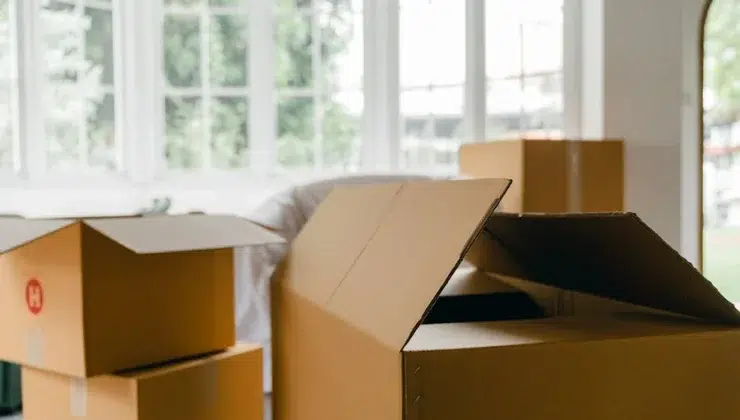
Relocation is rarely simple. Packing, scheduling, and managing countless details can quickly turn into a stressful experience if there’s no clear system in place. Organization is what makes the difference between a chaotic move and one that feels under control. A structured approach allows families to save time, protect their belongings, and settle into their new space with less stress.
Today, moving compels families to juggle paperwork, coordinate schedules, manage utilities, and keep track of daily needs while preparing to uproot their lives. In this context, organizing helps make relocation smoother and more manageable.
Let’s discuss more about this below:
Role of Professional Support
Relying on professional help can turn a complicated move into a much easier process. Experienced movers understand logistics, from handling bulky furniture to coordinating schedules, and they reduce the workload for families. Their guidance helps prevent mistakes and frees up time to focus on other important parts of the transition.
Working with a local moving company is especially valuable. Their teams know the area well, which makes scheduling and delivery more predictable. They can adapt to regional challenges like narrow streets, building rules, or traffic patterns. Professional support lightens the load while also providing peace of mind that the move is being handled with care and efficiency.
Coordinating Family Roles and Responsibilities
Moving is easier when the entire household works as a team. Assigning responsibilities to each family member divides the workload into manageable parts. Whether it’s organizing paperwork, sorting clothes, or preparing meals during the move, everyone can contribute in ways that match their abilities.
Clear coordination also reduces stress. Instead of overlapping tasks or leaving things undone, each person knows exactly what they are responsible for. Families that approach relocation as a shared effort often find the process less overwhelming and more productive.
Room-by-Room Packing Strategy
A room-by-room method keeps the process orderly. Focusing on one space at a time prevents clutter from spreading throughout the home and makes it easier to track progress.
This approach also pays off after arriving at the new home. Boxes labeled by room can be placed directly where they belong, making unpacking faster and less confusing. Instead of hunting for essentials, families can settle in more quickly with a sense of order already in place.
Creating a Detailed Timeline
A successful move relies on planning. Creating a timeline that maps out packing days, supply purchases, utility changes, and final cleaning keeps everything on track. Without a clear schedule, it’s easy to overlook critical steps until the last minute.
A detailed timeline also gives families flexibility. If unexpected issues arise, tasks can be adjusted without losing sight of the overall plan.
Labeling and Categorizing Items
One of the simplest yet most effective ways to stay organized during a move is labeling. Clear labels on each box make it obvious where things belong and what’s inside. It saves time, reduces confusion, and prevents unnecessary digging through boxes to find basic items.
Categorizing belongings goes hand in hand with labeling. Grouping items by type or function makes unpacking smoother and helps maintain order in the new home. A few extra minutes spent labeling before the move can save hours of frustration later.
Using Digital Tools to Track Tasks and Deadlines
Technology can make relocation far easier. Apps and digital checklists allow families to track progress, set reminders, and organize tasks in one place. Having a centralized digital system reduces the risk of forgetting important steps.
Digital tools make it easy to share tasks among family members. Everyone can stay updated on what’s been done and what’s next.
Organizing Meals and Daily Needs
Moving often disrupts daily routines, but planning for meals and essentials makes the process less stressful. Setting aside easy-to-prepare food, snacks, and kitchen basics prevents families from scrambling when the rest of the kitchen is packed.
It’s also important to keep a small bag of personal essentials, like toiletries, medications, and a change of clothes, accessible throughout the move.
Special Care of Fragile or Valuable Items
Fragile belongings and valuables require extra attention during packing. Using proper materials like bubble wrap, sturdy boxes, and padding reduces the risk of damage. Clearly marked boxes also alert movers and family members to handle them with care.
Taking time to pack delicate items separately and securely helps preserve their condition. When these belongings arrive safely, it reinforces the value of staying organized and careful throughout the relocation process.
Anticipating Post-Move Tasks
Organization doesn’t end once the boxes arrive. Setting up utilities, cleaning, and arranging furniture are all part of settling into a new space. Planning for such tasks in advance avoids unnecessary delays and keeps the process smooth.
A checklist of post-move priorities helps families adjust faster. Instead of being overwhelmed by clutter and unfinished chores, they can focus on making the new place feel like home right away.
Relocation is full of moving parts, and without organization, it can quickly become overwhelming. From labeling boxes and creating timelines to planning meals and anticipating post-move tasks, every step benefits from structure.