The Role Of Health And Safety In A Warehouse
Health and safety is something often taken for granted in modern working landscapes – and, in some cases, even derided for its perceived heavy-handedness when it comes to matters of risk and risk aversion. However, it is a deeply important aspect of any business’ operation, particularly those that involve high-risk activities.
Every workplace benefits from health and safety regulation. But the impacts of such regulation are much more visible in higher-risk sites, most commonly those of construction and manufacturing. An overlooked industry in which health and safety is similarly crucial is that of warehousing, be it logistics, fulfilment or simple storage. What are the regulations surrounding workplace health and safety in such environments – and what are the key ways in which to mitigate risk to workers?
What Are The Warehouse Health And Safety Regulations?
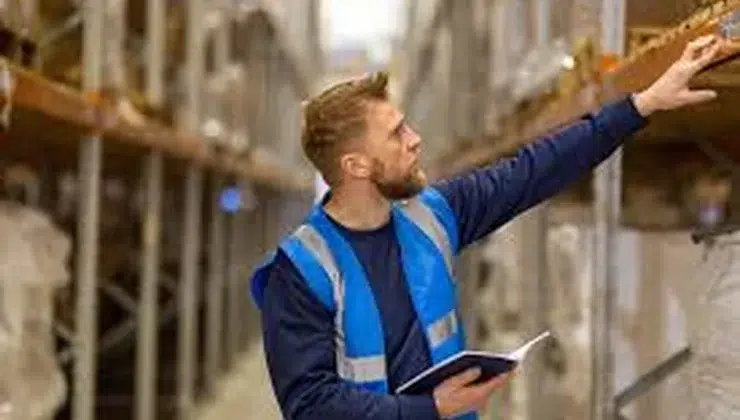
Health and safety regulations are, by and large, indiscriminate in nature. They speak more to the hazards that workers potentially encounter in the course of their duties, as opposed to specific industries and roles. As such, warehouse health and safety regulations are simply the health and safety regulations applicable to common risks and hazards experienced in warehouse environments – chief amongst which are the storing of heavy objects at height, the safe removal of said objects and the operating of heavy machinery.
These regulations are largely handled by OSHA, the central governing body for occupational safety in the United States – but other regulatory bodies can come into play when it comes to the handling of hazardous or otherwise regulated materials.
How Is Workplace Health and Safety Handled?
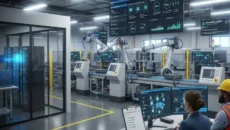
There are various ways in which workplace health and safety is managed. With respect to warehouses and logistics organizations, a key portion of this boils down to technology. Mechanical failures are mitigated using early detection systems; vibration sensors monitor the operating status of equipment and alert supervisors accordingly, while quick shut-off systems automatically end processes where unexpected loads or worker involvements take place.
The other, far larger side of the equation is the human side. Training is key to reduce workplace injuries, whether it’s on safe lifting practices or safe operation of heavy machinery. Human error is overwhelmingly responsible for workplace injury, making this vital for safe ongoing operation.
Why Improve Warehouse Health and Safety?
There is a moral imperative for businesses of any kind to protect their staff, not to mention the serious legal ramifications for failure to meet OSHA’s regulatory standards. But there are business benefits to a safety-positive workplace culture, which may incentivize businesses to go above and beyond the legal bare minimum.
The reduction of injuries and potential fatalities on site is also tantamount to a minimization of downtime. The less time a business loses to worker injury, the less money is lost due to smaller teams or facility shutdowns. On the other side of the equation, boosting safety in the workplace can build worker morale, leading to higher overall productivity.