HVAC Contractors’ Approach to Troubleshooting Airflow Issues
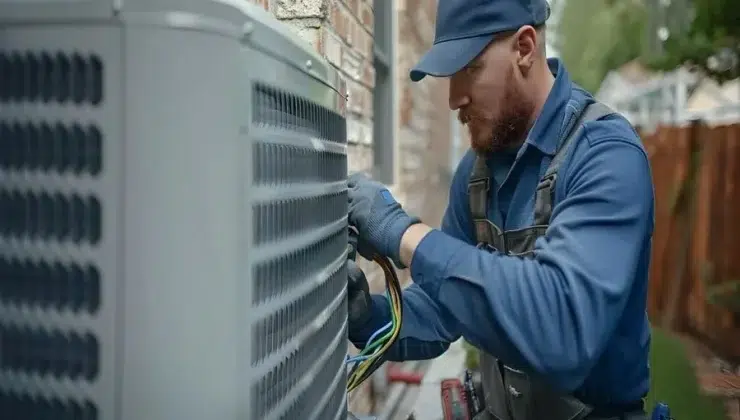
Airflow problems are among the most common concerns homeowners and building managers experience with heating and cooling systems. Uneven temperatures, low air output, noisy vents, or rooms that never feel comfortable often indicate underlying airflow issues rather than equipment failure. These problems can develop slowly, making them easy to overlook until comfort declines significantly. HVAC contractors approach airflow troubleshooting with a structured mindset, focusing on how air moves through the system from intake to delivery. Their goal is not only to restore proper airflow but also to ensure the system operates efficiently, quietly, and reliably over time without placing unnecessary strain on components.
Understanding Airflow Challenges
-
Recognizing the Early Signs of Airflow Problems
HVAC contractors begin troubleshooting by identifying symptoms that suggest airflow imbalance or restriction. These signs often include rooms that heat or cool more slowly than others, noticeable pressure changes when doors close, or vents that emit very little air despite the system running continuously. Contractors also monitor unusual sounds, such as whistling or rattling, which may indicate airflow resistance within the ductwork. In coastal regions like Virginia Beach, VA, humidity can exacerbate airflow issues by degrading insulation, filters, and ducts, making early detection even more important. By carefully listening to occupant concerns and observing system behavior, contractors establish a clear starting point for diagnosis.
-
Initial System Assessment and Visual Inspection
Once airflow concerns are identified, HVAC contractors perform a thorough visual inspection of the system. This includes checking air filters, supply and return vents, and visible duct connections. A clogged filter or blocked vent is often a simple but impactful cause of reduced airflow. Contractors also inspect areas where ductwork may have become disconnected, crushed, or obstructed. Visual assessment allows them to rule out obvious issues before moving on to more detailed testing. This step-by-step approach ensures time is not wasted addressing symptoms while underlying causes remain unresolved.
-
A Focused Airflow Insight
A single closed return vent in a frequently used room can disrupt airflow throughout the entire system. HVAC contractors often find that correcting this overlooked detail restores balance and improves comfort without additional adjustments. This example highlights how small airflow restrictions can create system-wide effects.
-
Measuring Air Pressure and Volume
Beyond visual inspections, HVAC contractors rely on measurements to accurately characterize airflow behavior. They assess static pressure within the system to determine whether air is moving freely or encountering resistance. High pressure often points to restrictions, while low pressure may indicate leaks or poor duct design. Contractors also measure airflow volume at various vents to identify imbalances between rooms. These measurements provide objective data that guides decision-making, helping contractors focus on precise corrections rather than guesswork. Accurate testing ensures that airflow adjustments address the root cause rather than providing temporary relief.
-
Evaluating Ductwork Design and Condition
Ductwork plays a central role in airflow performance, and HVAC contractors examine both design and condition during troubleshooting. Poorly designed duct layouts can limit airflow even when equipment functions properly. Long duct runs, sharp turns, or undersized ducts increase resistance and reduce delivery efficiency. Contractors also look for leaks that allow conditioned air to escape before reaching living spaces. Sealing and reinforcing ducts often improves airflow significantly without altering the HVAC unit itself. By evaluating ductwork as a system rather than isolated segments, contractors ensure airflow improvements are sustainable.
-
Blower and Motor Performance Review
Airflow depends heavily on the blower and motor within the HVAC system. Contractors assess whether these components operate at appropriate speeds and respond correctly to system commands. Dust buildup, worn belts, or electrical issues can reduce blower effectiveness, leading to weak airflow even when ducts are clear. Contractors inspect and clean blower assemblies to ensure they move air efficiently without strain. Proper blower performance supports consistent airflow and reduces noise, helping the system maintain comfort without excessive energy use.
-
Balancing Supply and Return Airflow
Balanced airflow requires harmony between supply and return air paths. HVAC contractors evaluate whether the system has adequate return airflow to support supply delivery. Insufficient return capacity can cause pressure imbalances, hindering proper air circulation. Contractors may recommend adjustments such as resizing returns or redistributing airflow to improve balance. This step ensures air moves smoothly throughout the system rather than stagnating in certain areas. Balanced airflow reduces temperature variation and helps the system operate more quietly and efficiently.
-
Adapting Airflow to Occupancy and Layout Changes
Buildings evolve, and airflow systems must adapt accordingly. HVAC contractors consider how renovations, added rooms, or changes in occupancy affect airflow needs. A room converted into an office or a finished basement may require airflow adjustments to maintain comfort. Contractors reassess airflow distribution and make changes that align with current usage patterns. This adaptability prevents systems from struggling to meet demands they were not originally designed to handle, preserving airflow performance as living spaces change.
-
Long-Term Monitoring and Follow-Up
Troubleshooting airflow issues does not end with a single adjustment. HVAC contractors often monitor system performance after changes are made to ensure improvements remain consistent. They may revisit airflow measurements or review occupant feedback to confirm comfort has stabilized. This follow-up helps identify any lingering issues and ensures that corrections are sustained. Ongoing monitoring supports gradual optimization rather than reactive repairs, keeping airflow reliable over time.
HVAC contractors approach airflow troubleshooting as a detailed and methodical process focused on restoring balance and efficiency. By recognizing early symptoms, inspecting system components, measuring performance, and evaluating ductwork and blower operation, they address airflow issues at their source. Their ability to adapt airflow solutions to building layout and usage changes ensures long-term comfort and system stability. Effective airflow troubleshooting is not about quick fixes but about understanding how air moves through the entire system. When airflow is properly controlled, heating and cooling systems operate more consistently, quietly, and reliably, supporting comfort throughout every season.