How to Spot AC Refrigerant Leaks Before They Cause Major Damage
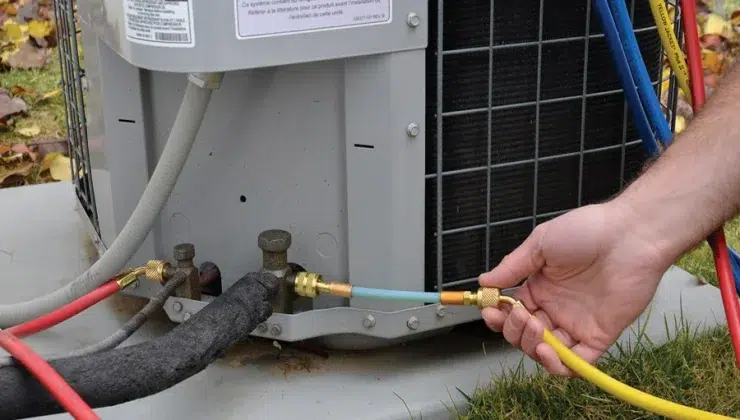
Air conditioning systems play a critical role in maintaining comfort, especially during hot months, and their efficiency depends heavily on the proper functioning of refrigerant. When an AC system loses refrigerant due to leaks, it not only reduces cooling efficiency but also risks causing significant damage to the compressor and other components. Refrigerant leaks often develop gradually, making them difficult to detect until the system underperforms or damage has already begun. Proactively identifying these leaks early can prevent costly repairs and uncomfortable living conditions. We will explore practical strategies to recognize signs of refrigerant leaks before they escalate, ensuring that your AC unit operates efficiently and your home remains comfortable year-round.
Signs of Refrigerant Leaks and How to Identify Them
1. Unusual Temperature Fluctuations in Your Home
One of the earliest indicators of a refrigerant leak is uneven cooling throughout your living space. If you notice certain rooms are consistently warmer than others, or the system struggles to maintain the desired temperature, it may indicate a decline in refrigerant levels. Refrigerant absorbs heat from indoor air and releases it outdoors, so any shortage directly affects the system’s ability to cool efficiently. Homeowners may also observe that the AC runs longer than usual without reaching the set temperature. Paying attention to these subtle temperature variations can be a critical step in catching leaks before they put excessive strain on your system, which can eventually lead to compressor failure or complete AC breakdown, requiring timely AC repair to restore proper cooling.
2. Ice Formation on AC Components
Another clear warning sign is frost or ice on the evaporator coil or refrigerant lines. When refrigerant levels are low, the system pressure drops, causing the evaporator coil to become too cold. This can cause condensation to freeze on the coil or surrounding pipes. Homeowners may notice ice buildup on the indoor unit or dripping water from melting ice. Ignoring this symptom can result in severe damage to the compressor and other internal components. Regularly inspecting your AC unit for unusual frost patterns, especially during peak cooling months, can help you identify a refrigerant leak before it escalates into a costly repair.
3. Hissing or Bubbling Sounds Near AC Lines
Refrigerant leaks often produce subtle auditory cues that can alert attentive homeowners. A distinct hissing or bubbling noise near the AC lines or connections may indicate that refrigerant is escaping under pressure. While the sound may be faint, it is typically noticeable when you are near the outdoor unit or utility closet. This auditory signal should not be ignored, as continued refrigerant loss can reduce cooling efficiency and increase energy consumption. If you detect such sounds, promptly schedule an inspection. Early detection prevents further leakage, protects your AC system’s performance, and helps avoid more expensive repairs caused by prolonged refrigerant loss.
4. Reduced Cooling Efficiency and High Energy Bills
A significant drop in cooling efficiency often accompanies a refrigerant leak. The system struggles to circulate air at the desired temperature, which forces it to work harder and longer. Homeowners may notice that even after adjusting the thermostat, the air conditioning does not provide the expected cooling comfort. This added workload can also lead to higher energy bills, as the system consumes more electricity to compensate for the lack of refrigerant. Monitoring both energy usage and cooling performance over time is an effective way to spot early signs of leakage. Identifying these indicators enables homeowners to take timely action, preserving the AC unit’s lifespan and maintaining energy efficiency.
5. Visible Refrigerant Residue or Oil Stains
Sometimes refrigerant leaks carry traces of the oil used to lubricate AC components. Homeowners may notice oily residue or stains around joints, connections, or fittings. This visual cue often points to a slow leak that, if left unchecked, can worsen over time. Regular inspection of AC lines, coils, and outdoor units can help identify these residues early. Catching a refrigerant leak before it becomes significant reduces the risk of damage to critical components, improves cooling efficiency, and ensures the system operates safely. Prompt attention to even minor oil traces can save homeowners both time and money in the long run.
Detecting refrigerant leaks early is essential for maintaining the performance and longevity of your air conditioning system. Paying attention to unusual temperature fluctuations, ice formation, hissing noises, increased energy bills, and even subtle odors can provide valuable clues. Regular inspection for visible oil residues and monitoring the system’s cycling behavior can further help identify leaks before they escalate. Combining these observational strategies with professional inspections helps prevent small leaks from escalating into costly repairs or component failures. By staying vigilant and addressing issues promptly, homeowners can enjoy consistent cooling efficiency and avoid unnecessary disruptions.
Refrigerant leaks in air conditioning systems can significantly reduce efficiency, comfort, and long-term performance if left unchecked. Recognizing early warning signs, including temperature inconsistencies, ice buildup, unusual noises, and changes in energy consumption, allows homeowners to take timely action. Visual cues, odors, and irregular cycling patterns further indicate potential issues that should not be ignored. Regular monitoring, coupled with professional inspections as needed, ensures leaks are detected and addressed before they cause major damage. Proactive monitoring of refrigerant levels protects your AC system, improves energy efficiency, and helps maintain a comfortable indoor environment year-round.